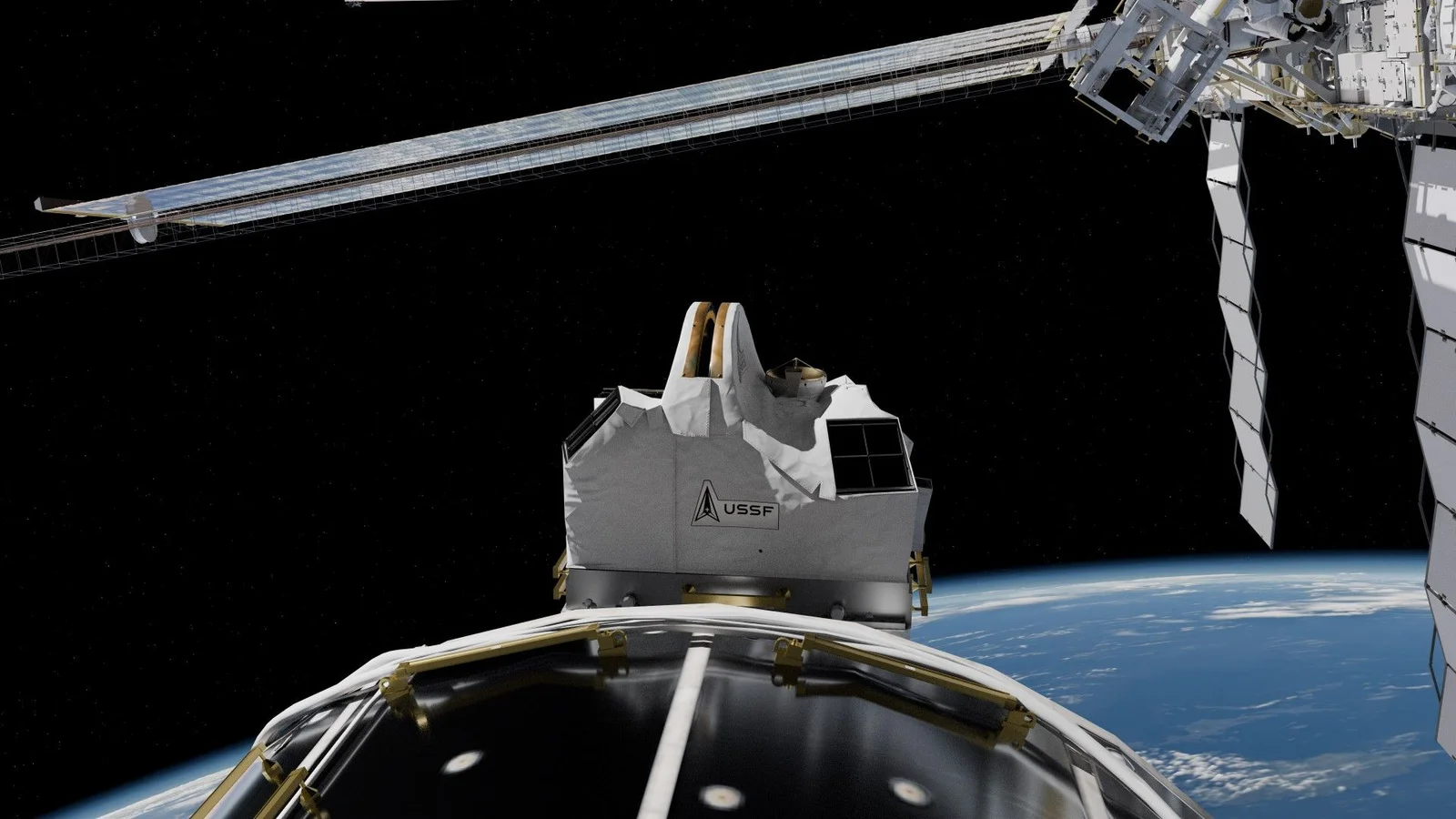
NASA and the US Space Force are launching the STORIE mission to image and track Earth's doughnut-shaped ring current, aiming to determine whether its charged particles originate from the Sun or Earth's atmosphere and to understand how space weather affects satellites and power infrastructure.
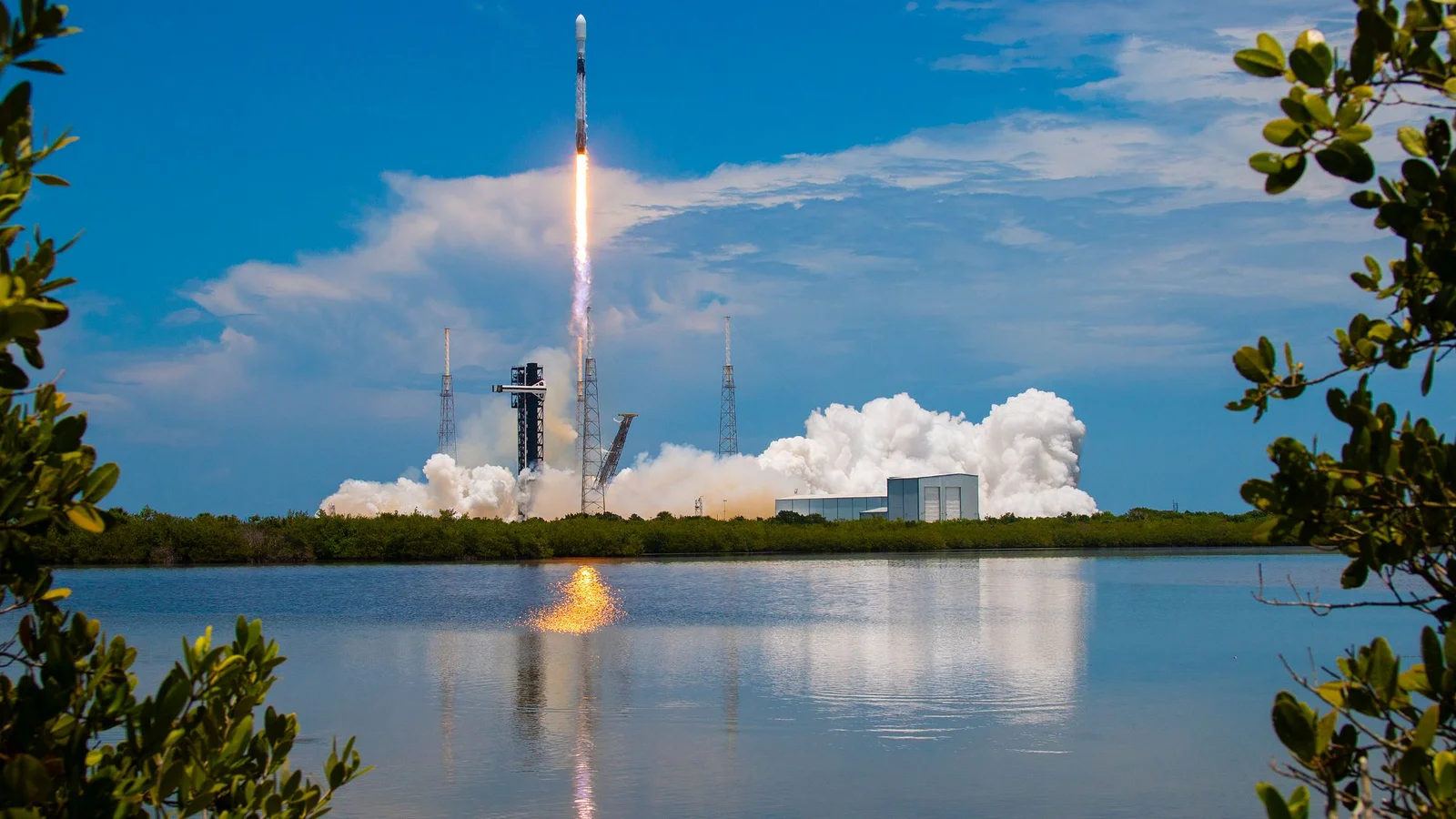
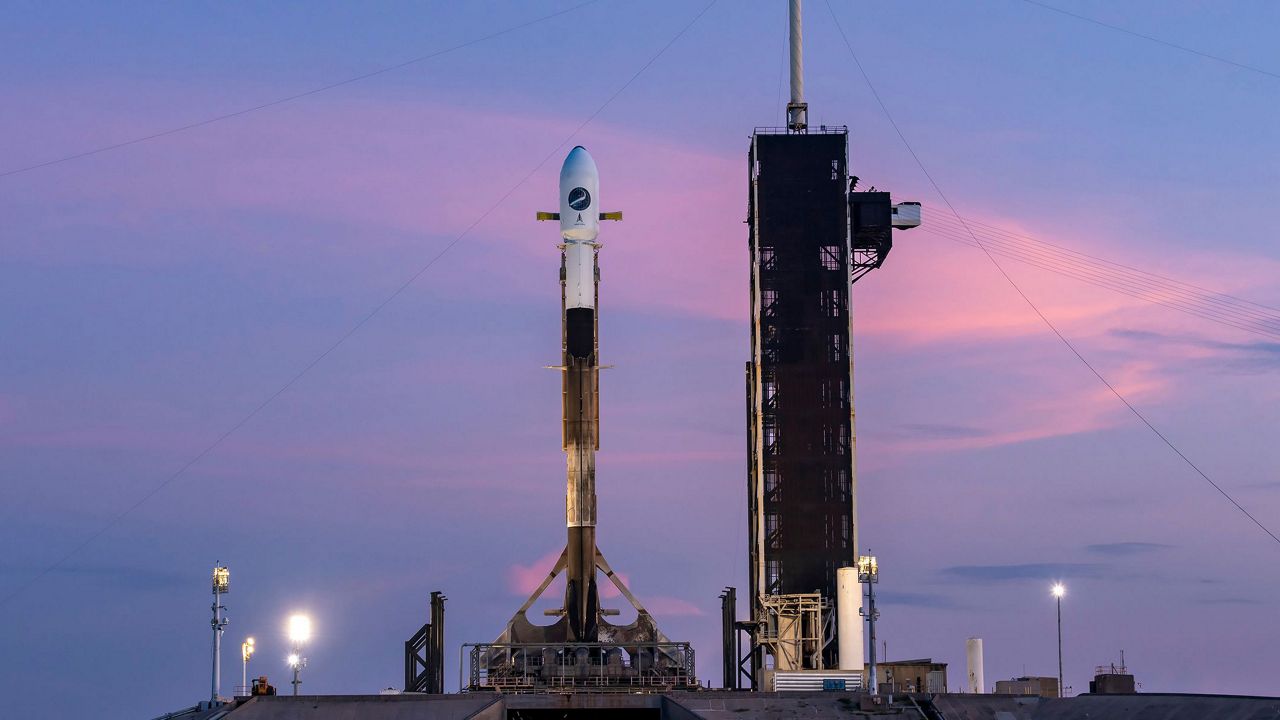
SpaceX launched the U.S. Space Force's final GPS III satellite, SV10 'Hedy Lamarr', atop a Falcon 9 from Cape Canaveral after a weather delay, with the booster B1095 returning to a drone ship and both payload fairing halves recovered. The mission continues the migration of GPS launches from ULA to SpaceX under the NSSL Phase 2 contract, in exchange for ULA flying USSF-70 on a Vulcan rocket in 2028. SV10 will spend about 10 days raising to its operational orbit and undergoing testing before handover to the Space Force, and it carries laser cross-link demonstrations and a new digital atomic clock to bolster GPS resiliency ahead of the IIIF generation.
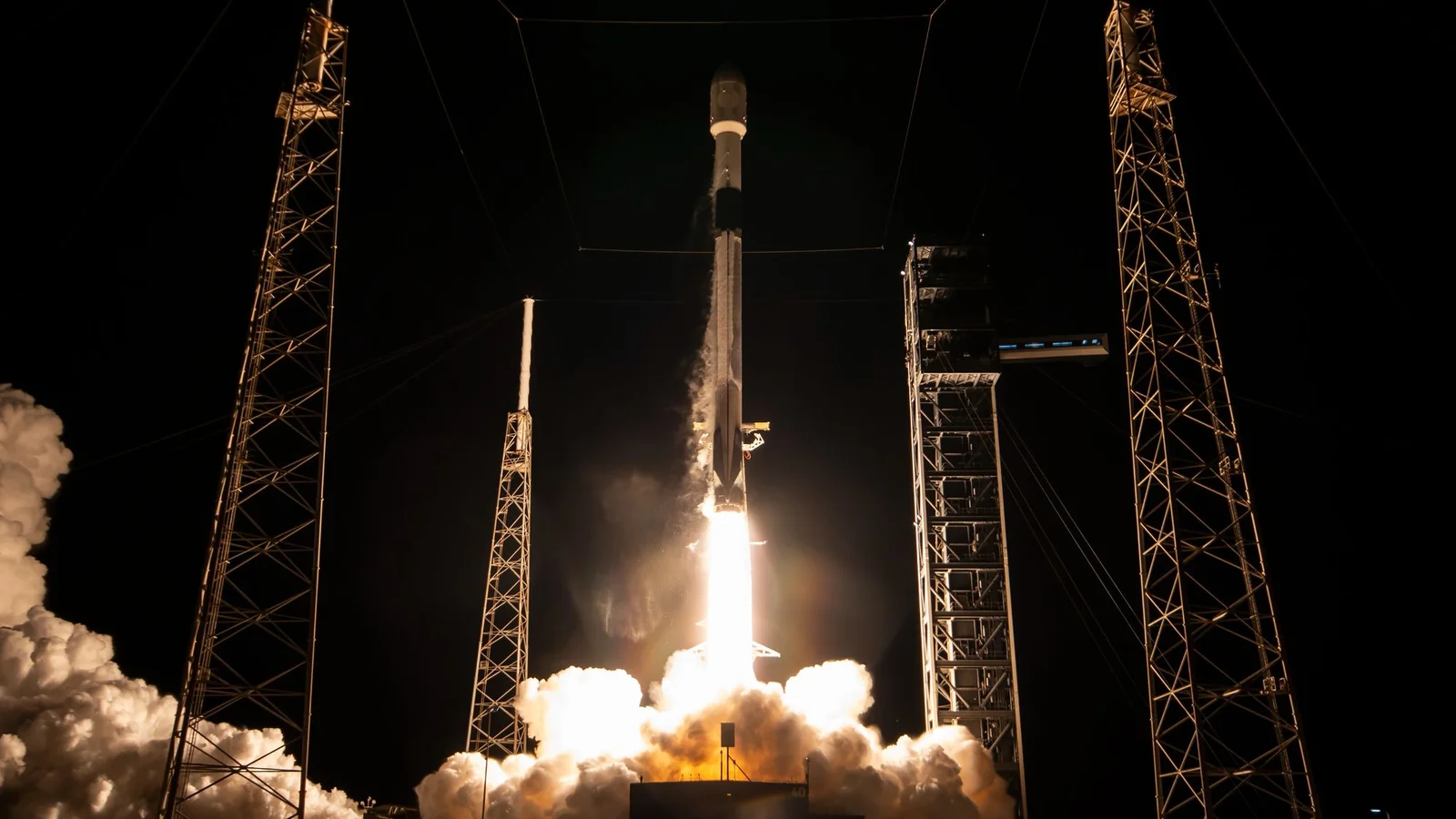
SpaceX will launch GPS III SV10, the 10th and final GPS III satellite for the U.S. Space Force, from Cape Canaveral aboard a Falcon 9. GPS III SV10 delivers a threefold boost in positional accuracy and eightfold jam resistance; liftoff will occur within a 15-minute window opening at 2:57 a.m. EDT, with SV10 deployed into medium Earth orbit roughly 90 minutes after liftoff. The launch follows the Space Force’s decision to move the mission from a Vulcan Centaur due to booster issues, and SpaceX will provide live coverage of the flight.
SpaceX is set to launch the GPS III-SV09 satellite for the U.S. Space Force from Cape Canaveral in a 15-minute window starting at 11:38 p.m. ET on Jan. 27, after a weather delay. Built by Lockheed Martin with M-Code for jam resistance, SV09 is the ninth GPS III satellite in a planned 10-satellite series and is named after Challenger astronaut Ellison Onizuka. The Falcon 9’s first stage is expected to land on a droneship about 8.5 minutes after liftoff, while the upper stage will place the satellite into medium Earth orbit roughly 90 minutes later. Live coverage is available via SpaceX and X.
Rocket Lab has secured its largest contract to date, worth $816 million, to design and produce 18 advanced missile-warning satellites for the U.S. Space Force, leveraging its vertically integrated manufacturing to deliver rapid, cost-effective solutions and expanding its role as a key prime contractor in national security space programs.
Rocket Lab has secured an $816 million contract from the U.S. Space Development Agency to build 18 advanced missile-warning satellites for the Tracking Layer Tranche 3 program, utilizing its vertically integrated manufacturing to deliver resilient, cost-effective space solutions that enhance national security and counter evolving threats.
Rocket Lab's stock soared 9.5% after successfully launching a mission for the U.S. Space Force ahead of schedule, demonstrating its reliability in national security launches. Despite recent volatility and profit-taking after a 141% year-to-date increase, the company's strong performance and technological achievements suggest potential for continued growth, though the stock remains below its 52-week high.
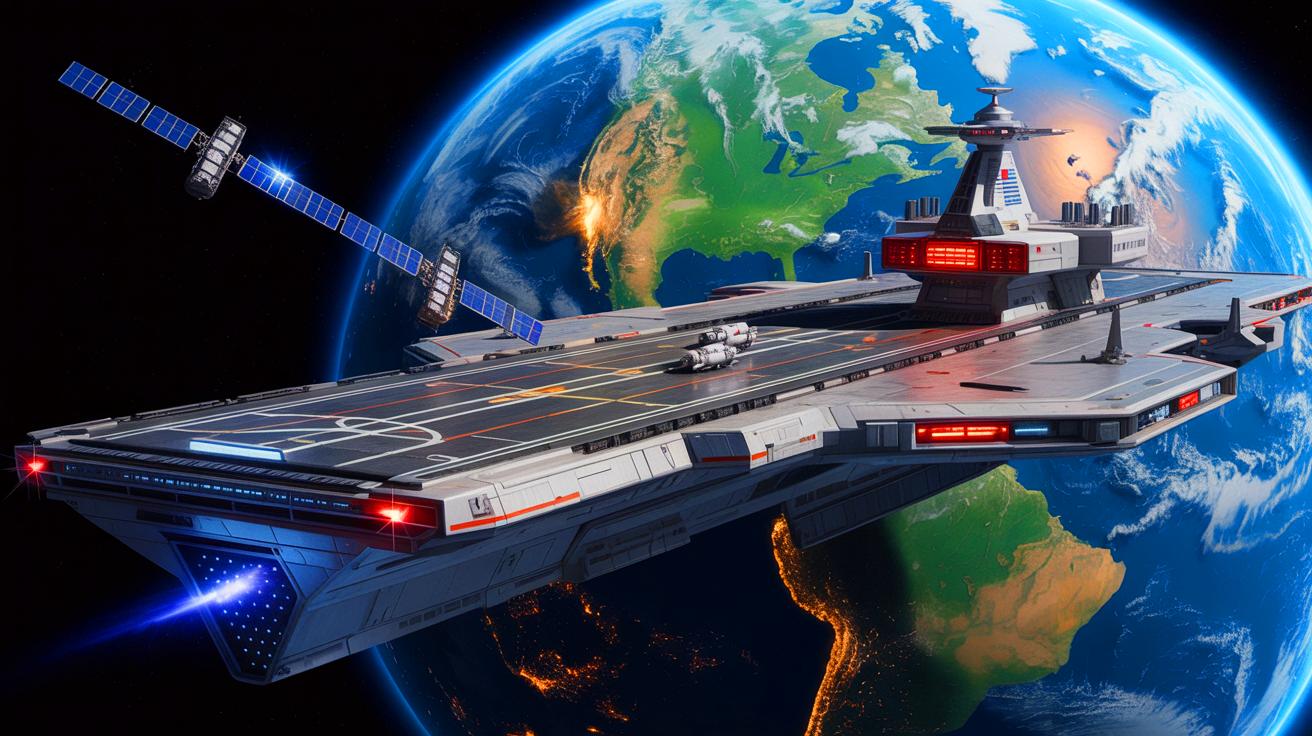
The US Space Force and Gravitics are developing a $60 million orbital aircraft carrier to revolutionize satellite deployment, enhance space security, and maintain strategic dominance through innovative public-private collaborations, marking a new era in space exploration and military capabilities.
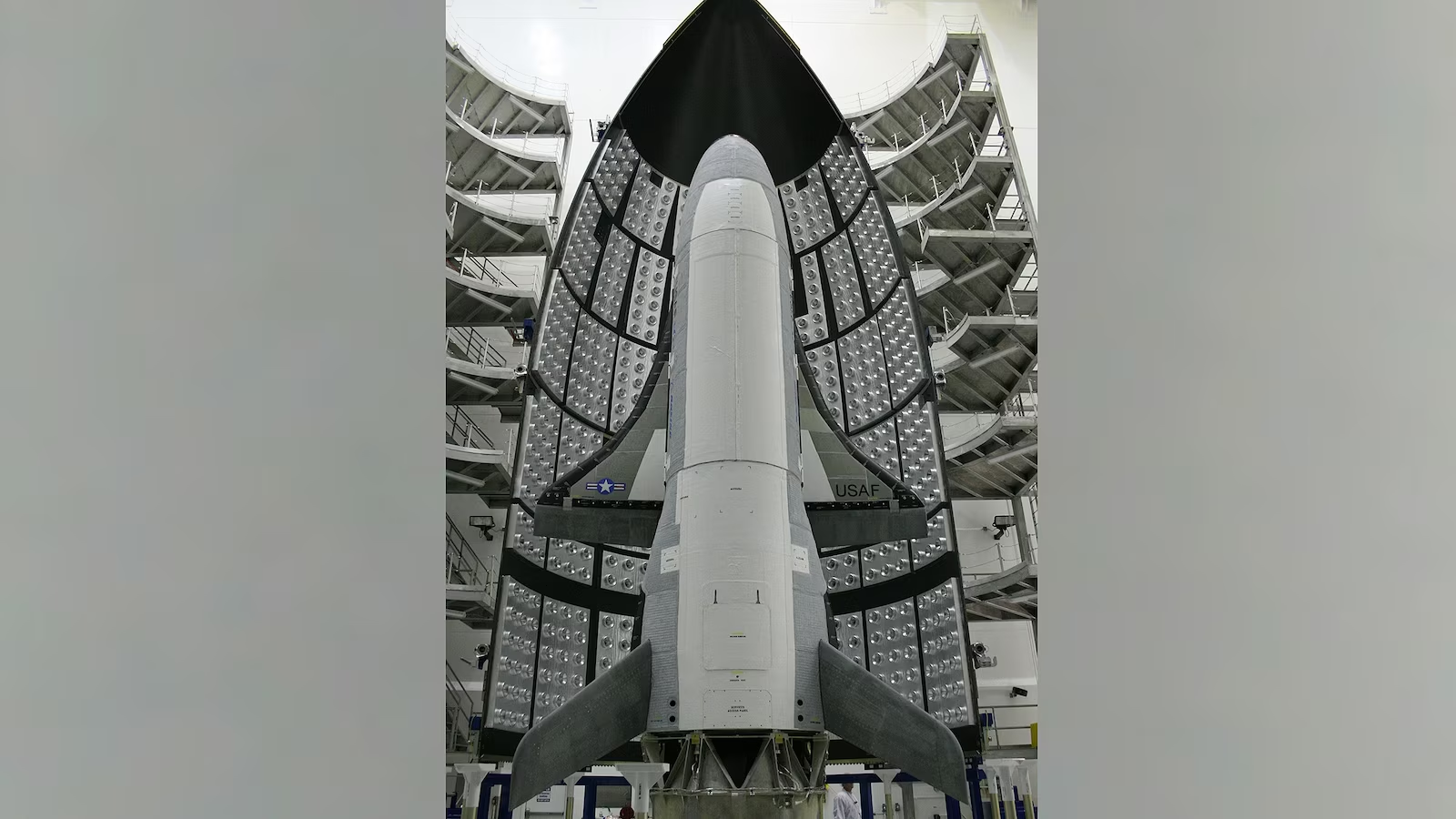
SpaceX is launching the US Space Force's classified X-37B space plane on a Falcon 9 rocket from Kennedy Space Center, with the mission focusing on advanced laser communication and quantum inertial sensor technology demonstrations, scheduled for August 21-22, 2023.
SpaceX is preparing for its eighth launch of the U.S. Space Force's Orbital Test Vehicle, targeting a launch on August 21 from Kennedy Space Center, with a backup on August 22, weather permitting. The mission involves a Falcon 9 rocket, which has previously launched several other missions, and the first stage will land at Cape Canaveral, potentially causing a sonic boom.
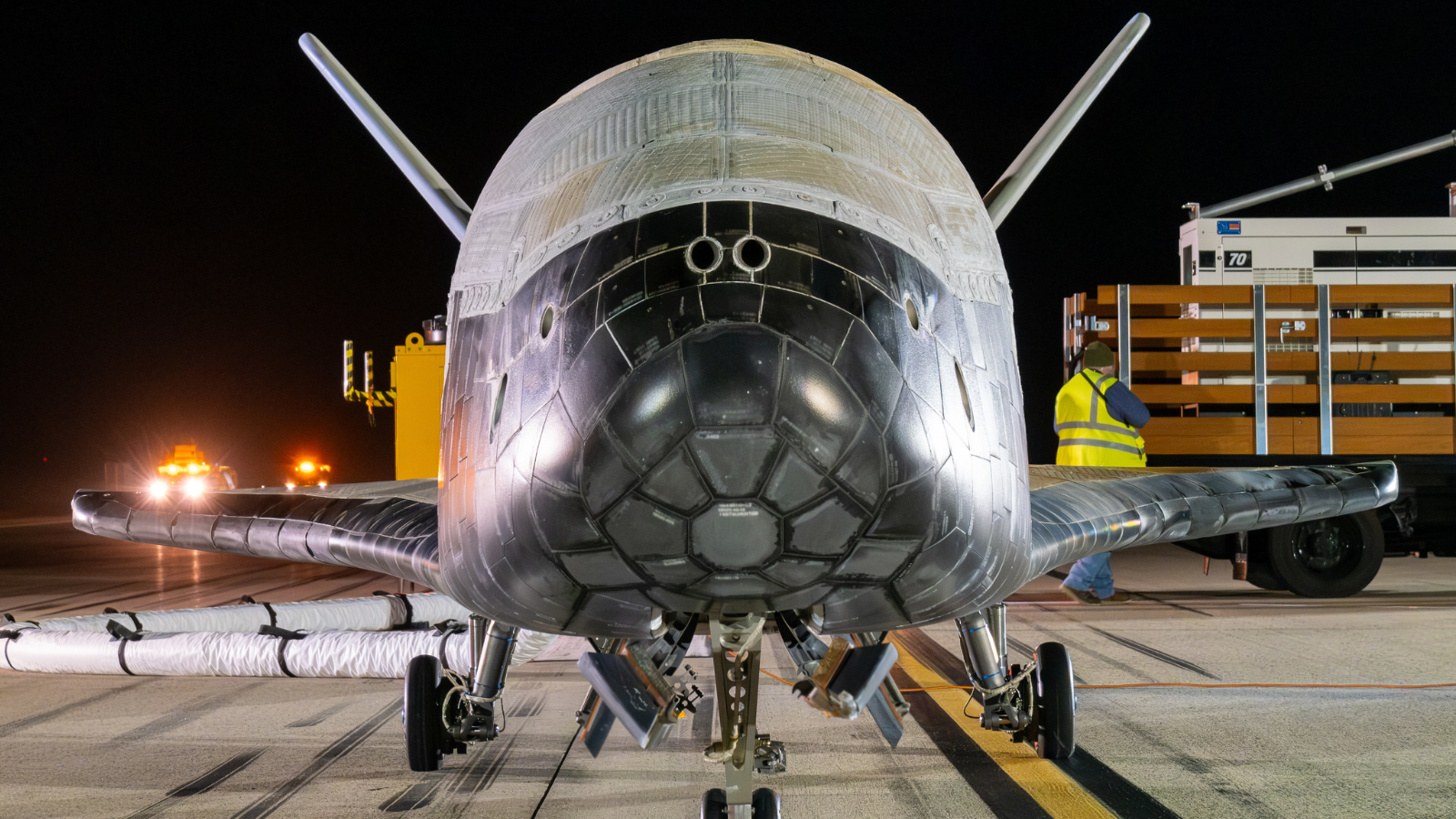
The US Space Force is launching its eighth mission of the X-37B spaceplane, an autonomous, reusable spacecraft used for testing and experiments in space, with a focus on advanced communication and navigation technologies, from Kennedy Space Center, using a SpaceX Falcon 9 rocket.
The US Space Force, in collaboration with the UK and Australia, has successfully tested the Deep Space Advanced Radar Capability (DARC) in Australia, a powerful radar system designed to track small objects in geosynchronous orbit over 22,000 miles above Earth, enhancing space domain awareness and security amidst increasing militarization of space.
The US Space Force is preparing to launch the eighth X-37B Orbital Test Vehicle mission on August 21 from Kennedy Space Center, using a SpaceX Falcon 9 rocket, to test advanced space communication, navigation, and other space technologies, continuing its role as a key platform for developing next-generation space capabilities.
Residents across Pennsylvania observed swirling lights in the sky following the launch of United Launch Alliance's Vulcan rocket from Florida, which deployed military satellites for the U.S. Space Force, marking the first operational flight of this new launcher.
The US Space Force announced that the eighth mission of the X-37B spaceplane, Orbital Test Vehicle-8, is scheduled to launch no earlier than August 21, 2025, from Kennedy Space Center aboard a SpaceX Falcon 9 rocket.