
SpaceX releases slow-motion footage of historic Starship upper stage tower catch
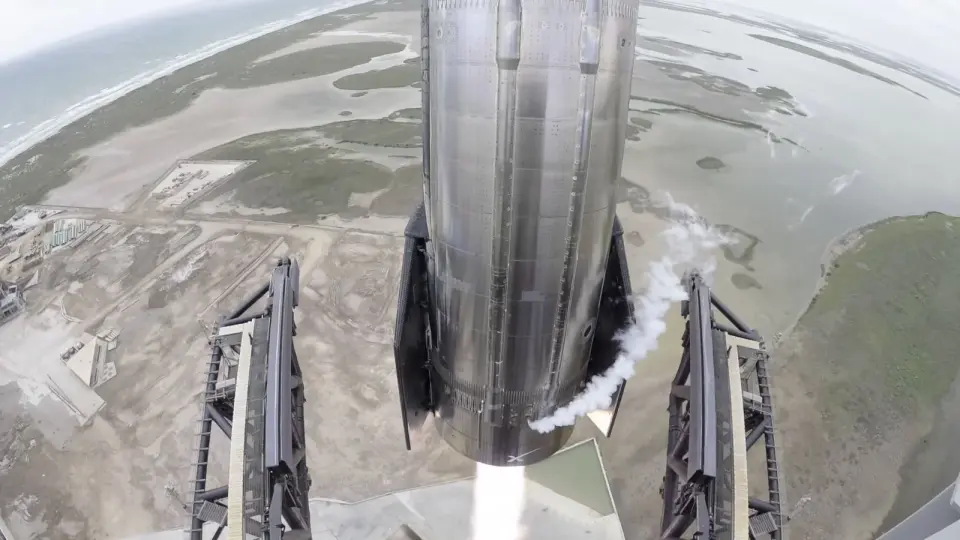
SpaceX has released new slow-motion video footage showing the first successful recovery of its Starship upper stage by the 'chopstick' arms of the Mechazilla launch tower in South Texas. The milestone occurred during the vehicle's 15th test flight on November 14, 2026, where the upper stage completed 14 orbits and deployed 26 Starlink satellites before returning to Earth. While the upper stage was successfully caught, the Super Heavy booster failed to return due to a low-fuel warning and splashed down in the Gulf of Mexico. This achievement validates SpaceX's strategy for full rapid reusability, though the company must still investigate the booster failure and prove the upper stage can fly again.
Key points
- SpaceX released four slow-motion videos from cameras atop the 480-foot Mechazilla tower, showing the first-ever catch of the Starship upper stage.
- The upper stage was successfully recovered on November 14, 2026, after completing 14 orbits and deploying 26 Starlink V3 satellites.
- The Super Heavy booster failed to return to the tower due to a low-fuel warning and splashed down in the Gulf of Mexico, though SpaceX had previously caught the booster three times.
- The catch validates SpaceX's goal of full rapid reusability, enabling repeat launches and landings from the same pad for efficient inspection and refurbishment.
- The upper stage returns from orbit at higher speeds and temperatures than the booster, making its catch significantly more challenging.
Background
SpaceX has been developing the Mechazilla catch-tower design since 2026 to enable rapid reuse of its Starship megarocket. Previous test flights had successfully caught the Super Heavy booster, but the upper stage had not been attempted until Flight 15. The company's broader strategy includes using Starship for NASA's Artemis lunar missions and potentially commercial human spaceflight, though human flights remain years away due to safety and regulatory hurdles.
How outlets are covering it
Space.com emphasizes the technical achievement and the new slow-motion footage, highlighting the unique architecture designed for full and rapid reusability. The Atlantic focuses on the transformative nature of the technology, comparing it to Jules Verne's vision and noting the historic midair landing. Fox Business highlights the milestone as a major step toward reducing launch costs and supporting more frequent space missions, with praise from NASA Administrator Jared Isaacman and War Secretary Pete Hegseth. Ars Technica questions when humans will actually fly on Starship, noting that while the catch accelerates reuse, human flights remain distant due to safety and regulatory challenges.
Why it matters
The successful catch of the Starship upper stage is a critical milestone for SpaceX's goal of full rapid reusability, which could significantly reduce launch costs and enable more frequent space missions. It also validates the company's strategy for using Starship in NASA's Artemis program and potentially for commercial human spaceflight, though significant technical and safety hurdles remain.
What to watch
SpaceX must investigate the cause of the Super Heavy booster's failure and prove that the upper stage can fly again. The company is also focused on revenue-generating activities such as launching Starlink satellites and eventually Starmind data center satellites, while continuing to develop Starship for human spaceflight and lunar missions.
- The view from the tower: Watch Starship come in for chopsticks catch in epic slo-mo video Space
- Awesome The Atlantic
- SpaceX makes history as Starship spacecraft caught by launch tower for first time Fox Business
- When will humans actually fly on Starship? Ars Technica
- SpaceX achieves another historic first The Economist
Want the full story? Read the original reporting
Read on Space