
SpaceX Launches Starship Flight 15 to Attempt First-Ever Double Catch of Both Rocket Stages
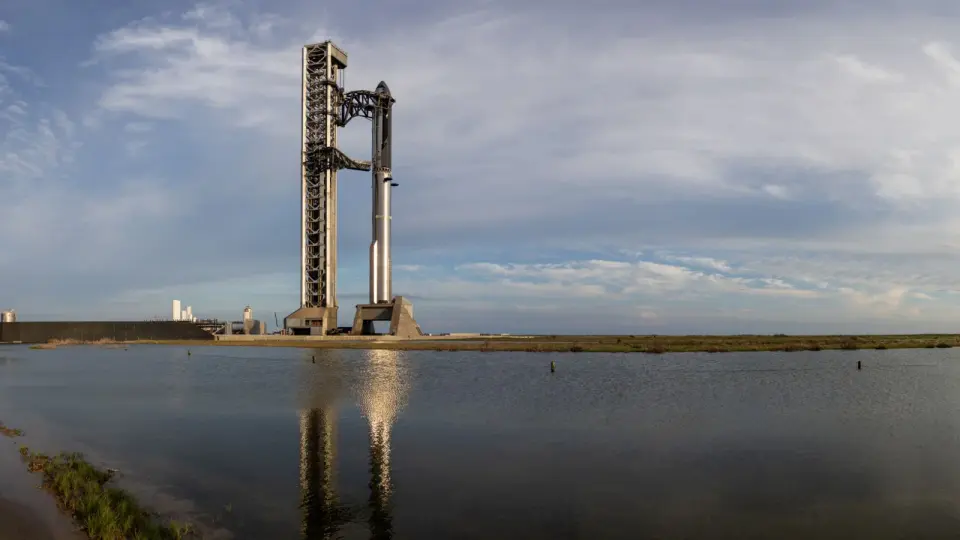
SpaceX is launching its 15th Starship test flight on November 13, 2026, from Starbase in Texas. The mission aims to achieve the first full recovery of an orbital rocket by catching both the Super Heavy booster and the upper stage at the launch site. If successful, this 'double catch' would mark a major step toward fully reusable spaceflight, potentially lowering launch costs and enabling future lunar and Mars missions.
Key points
- Launch is scheduled for November 13, 2026, at 5:45 p.m. EST from SpaceX's Starbase facility in South Texas.
- The mission will attempt to catch the Super Heavy booster minutes after liftoff and the upper stage approximately 22 hours later.
- The upper stage will orbit Earth 14 times and deploy 26 Starlink V3 satellites before attempting reentry and landing.
- SpaceX has previously caught the booster but has never successfully recovered the upper stage from orbit.
- The flight carries risks, including engine reliability issues and the need to navigate over populated areas during reentry.
Background
SpaceX has been developing the Starship system to achieve full reusability, a goal it has called the 'holy grail' of rocketry. Previous test flights, including Flight 14 in September 2026, successfully reached orbit but ended with a splashdown rather than a landing. The company has faced challenges with engine reliability and heat shield durability, which are critical for rapid reuse. This flight is a critical step toward SpaceX's broader ambitions, including lunar missions for NASA and eventual Mars colonization.
How outlets are covering it
Space.com and The New York Times emphasize the historic nature of the 'double catch' as a key step toward full reusability. CNN highlights the risks, including engine failures and the need to navigate over populated areas, noting that a successful landing could lead to a fully reusable rocket within two to three years. ABC News focuses on the economic implications, stating that reusability could dramatically lower launch costs and increase the volume of space missions. All sources agree that this flight is a critical test for SpaceX's future plans, but they differ in their emphasis on the risks versus the potential rewards.
Why it matters
A successful double catch would mark the first time an entire orbital rocket has been recovered from space, potentially revolutionizing the space industry by making launches cheaper and more frequent. This could enable larger and more ambitious missions, including lunar and Mars exploration, and could disrupt the current launch market, which is dominated by single-use rockets. The success or failure of this flight will have significant implications for the future of space exploration and commercial spaceflight.
What to watch
SpaceX will monitor the flight closely, with the option to splash down the upper stage in the ocean if any issues arise. If the double catch is successful, SpaceX will begin the process of refurbishing the vehicle for future flights. The company plans to use Starship for a variety of missions, including deploying Starlink satellites, supporting NASA's Artemis program, and eventually colonizing Mars. The outcome of this flight will determine the next steps in SpaceX's development of fully reusable rockets.
- SpaceX Starship Flight 15 live updates: Giant Starship stacked for launch and 1st-ever double catch landing Space
- SpaceX’s next move is chasing the unprecedented ‘holy grail’ of rocketry. Here’s what’s at stake CNN
- SpaceX to attempt first Starship spacecraft recovery on land in 15th flight Reuters
- SpaceX Starship Flight 15 could be a major step toward full rocket reusability and cheaper missions ABC News - Breaking News, Latest News and Videos
- SpaceX Aims for Starship Launch on Friday. Here’s What to Know. The New York Times
Want the full story? Read the original reporting
Read on Space