
Starship’s First Orbital Flight Marks a New Era and Industry Crisis
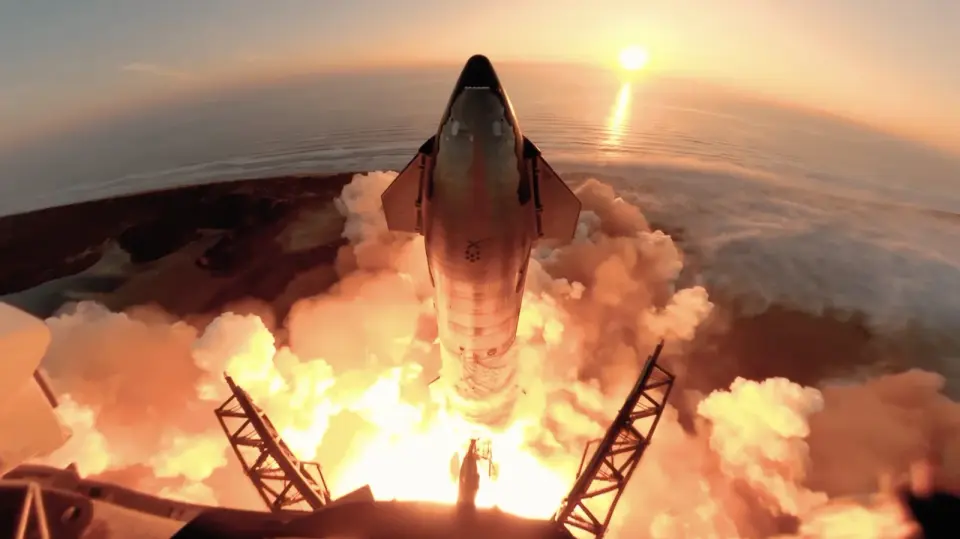
SpaceX’s Starship achieved its first orbital flight on September 28, 2026, deploying 26 Starlink V3 satellites. While the mission was cut short due to an engine failure, it confirmed the vehicle's capability to reach orbit. This milestone accelerates SpaceX’s plan to retire Falcon 9 and Dragon, sparking concerns about a launch supply crisis for commercial operators.
Key points
- Starship reached low-Earth orbit for the first time on September 28, 2026, deploying 26 Starlink V3 satellites.
- The mission was cut from 10 hours to 3 hours after a Raptor engine failure, but the vehicle successfully splashed down in the Pacific.
- SpaceX is phasing out Falcon 9 and Dragon to focus resources on Starship, which is described as the most powerful rocket ever built.
- The retirement of Falcon 9 threatens to create a launch bottleneck for small satellite operators and startups.
- NASA is supporting Boeing’s Starliner and ULA’s Vulcan to ensure US crew access to orbit as Dragon winds down.
Background
Previous coverage noted SpaceX’s aggressive push for Starship reusability and a $100 billion Louisiana launch hub. The company has been transitioning from suborbital tests to orbital capabilities, with earlier flights in 2026 focusing on heat shield and landing tests. The current orbital flight is the culmination of this iterative development process.
How outlets are covering it
BGR emphasizes Starship’s raw power, noting its 18.1 million pounds of thrust exceeds the Saturn V by more than double. CNN focuses on the industry 'crisis' caused by the impending retirement of Falcon 9, warning that launch prices may rise and supply will tighten. Ars Technica highlights the technical achievement of the orbital flight and the deployment of Starlink V3, while noting SpaceX’s high launch cadence. BBC provided live coverage of the mission’s early termination and successful splashdown.
Why it matters
The success of Starship’s orbital flight validates SpaceX’s strategy to replace older rockets, but it also exposes the commercial space industry to a potential supply crunch. As Falcon 9 and Dragon are retired, smaller operators may struggle to find affordable launch options, potentially slowing innovation in satellite technology and deep space exploration.
What to watch
SpaceX plans to continue testing Starship for full reusability and operational use. NASA is working to certify ULA’s Vulcan rocket for human missions and support Boeing’s Starliner. Commercial operators are seeking alternative launch providers, including European and Canadian companies, to mitigate the impact of Falcon 9’s retirement.
- Is SpaceX's Starship The Most Powerful Rocket Ever Built? bgr.com
- SpaceX’s megarocket is on the verge of paradigm-shifting success. It’s spurring a ‘crisis’ CNN
- SpaceX's Starship makes orbital debut deploying Starlinks before early ending Reuters
- SpaceX Starship rocket splashes down in Pacific Ocean BBC
- Rocket Report: SpaceX completes launch triple-header; Rocket Lab nets big contract Ars Technica
Want the full story? Read the original reporting
Read on bgr.com