
US approved 879,000 AI chip sales to China, including firms linked to military and spies
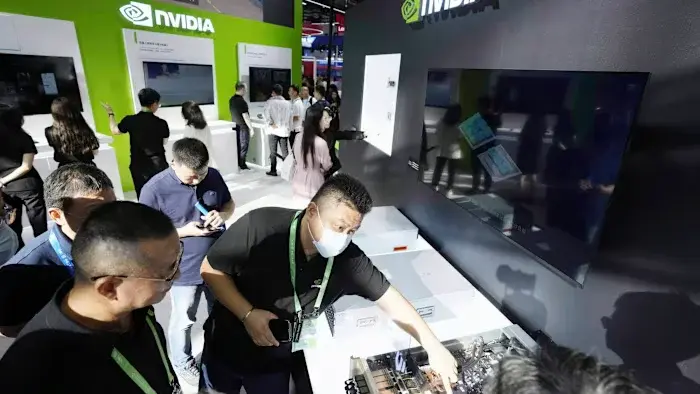
The US Commerce Department approved the sale of nearly 880,000 advanced AI chips to Chinese companies, including some linked to the military and suspected spies, according to documents released by the House Foreign Affairs Committee. The approvals, which included sales to Alibaba, Tencent, and Baidu, occurred despite Pentagon warnings. The revelation follows the resignation of Nvidia CEO Jensen Huang over ties to a suspected Chinese spy and has prompted calls for stricter export controls and congressional hearings.
Key points
- The Bureau of Industry and Security approved the export of 879,868 chips to Chinese entities as of May 2026, out of 3.4 million requested.
- Approved recipients included Alibaba, Tencent, Baidu, and BYD, as well as firms the Pentagon identified as Chinese Military Companies.
- Lawmakers criticized the approval of sales to Maginfra and New Matrix, which the New York Times reported had empty offices and ties to sanctioned entities.
- Nvidia and AMD stated their shipments were legal and authorized, but Nvidia has halted H200 chip sales to China.
- Commerce Secretary Howard Lutnick is scheduled to testify before the Senate Banking Committee, while Nvidia faces a subpoena from California’s attorney general.
Background
This development follows a recent market volatility in the semiconductor sector, where chip stocks experienced sharp sell-offs and rebounds in early November 2026 due to concerns over AI data center construction and political shifts. Additionally, short-seller reports in late November alleged that AMD had breached export controls by supplying firmware to blacklisted Chinese entities, contributing to a 7.7% drop in AMD shares on Thursday.
How outlets are covering it
The Financial Times and CNBC emphasized the sheer volume of approved chips and the involvement of major Chinese tech giants, highlighting the bipartisan criticism from lawmakers like Brian Mast and Gregory Meeks regarding national security risks. The New York Times provided deeper investigative context, detailing how specific approved firms, such as Maginfra and New Matrix, appeared to be 'fake' or front companies with ties to Megaspeed and Alice Huang, a suspected Chinese spy. While the FT and CNBC focused on the legislative reaction and the resignation of Jensen Huang, the NYT highlighted the specific discrepancies between the approved entities and their apparent lack of physical presence or legitimacy, suggesting potential smuggling fronts.
Why it matters
The release of these documents exposes potential gaps in US export control enforcement, raising concerns about the diversion of advanced technology to adversaries. It underscores the tension between commercial interests and national security, potentially leading to stricter legislation and regulatory oversight. The incident also highlights the risks associated with corporate leadership ties to foreign intelligence, as seen with Jensen Huang’s resignation, and may influence future trade policies and investor confidence in major chipmakers.
What to watch
Congress is expected to hold hearings next month with Commerce Secretary Howard Lutnick and his deputy, Jeff Kessler, to review licensing decisions. Lawmakers are pushing for tighter export control legislation, while Nvidia faces a subpoena from California’s attorney general regarding potential misleadings of investors and the public. The Commerce Department is expected to defend its processes, but the controversy may lead to increased scrutiny of future chip sales to China.
- US approved sale of Nvidia and AMD chips to Chinese companies Financial Times
- Nvidia Asked to Sell Chips to Companies Tied to Chinese Military and Megaspeed The New York Times
- Commerce approved sales of more than 879,000 AI chips to Chinese companies, Rep. Mast says CNBC
- Opinion | The Jensen Huang doctrine loses in Washington The Washington Post
- The Jensen Huang Saga Has Reinvigorated Washington’s China Hawks WSJ
Want the full story? Read the original reporting
Read on Financial Times