
US Chip Curbs Threaten Southeast Asian Data Center Boom Ahead of Trump-Xi Summit
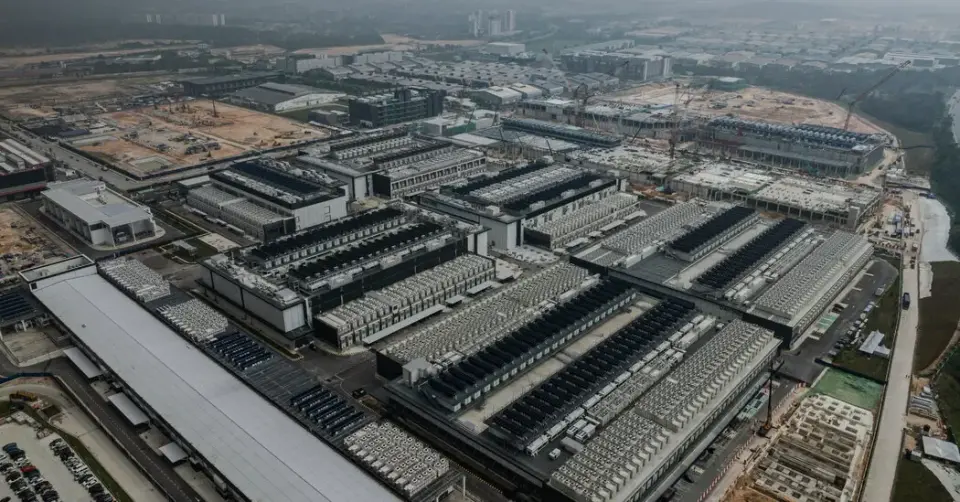
The US Commerce Department issued new rules requiring licenses for advanced AI chip sales to data centers in Southeast Asia and Brazil, aiming to block Chinese firms from remotely accessing restricted hardware. The move disrupts a regional investment boom and complicates upcoming US-China diplomatic talks.
Key points
- The Bureau of Industry and Security announced an interim final rule requiring licenses for chip sales to data centers in Indonesia, Malaysia, Singapore, Thailand, and Brazil.
- The rule targets remote access by Chinese companies, which previously used overseas hubs to bypass direct export bans on advanced semiconductors.
- Nvidia has warned customers that renting more than 50% of GPUs to Chinese firms may violate new legislation, exposing them to legal action.
- The policy shift follows the resignation of Nvidia CEO Jensen Huang and increased scrutiny from Treasury Secretary Scott Bessent regarding export compliance.
- The restrictions arrive days before President Trump meets with Chinese President Xi Jinping in Shenzhen, raising concerns about potential retaliation.
Background
This development follows a year of stalled export controls and a recent scandal involving Nvidia’s former CEO and a Singaporean data center firm. Earlier this month, Congress advanced the Remote Access Security Act, and Chinese tech stocks fell amid fears of tighter regulations. The new rules also formally rescind a previous AI Diffusion Rule from the Biden administration.
How outlets are covering it
The New York Times emphasizes the economic shock to Southeast Asia, noting that the region became a hub for Chinese firms like Alibaba and ByteDance to sidestep US restrictions. CNBC highlights the legal risks for chip buyers, citing internal Nvidia communications about the Remote Access Security Act and the 50% GPU threshold. NBC News frames the move as a major policy shift closing long-standing loopholes, praising it as a necessary step for national security. Bloomberg focuses on the diplomatic dilemma for Xi Jinping, who must decide whether to retaliate against the US or maintain a fragile trade truce ahead of the summit.
Why it matters
The new rules could dismantle the offshore computing infrastructure that Chinese AI companies rely on, potentially slowing their technological advancement. However, the timing risks escalating tensions with Beijing just as US and Chinese leaders prepare to meet, threatening a fragile trade detente and impacting global AI supply chains.
What to watch
The Commerce Department will enforce the new licensing requirements, while the Senate must still pass the Remote Access Security Act. Nvidia CEO Jensen Huang is scheduled to testify before the Senate Banking Committee on December 3. Diplomatic discussions in Shenzhen will likely address these chip restrictions, with Xi Jinping weighing potential retaliatory measures.
- Trump’s New A.I. Chip Rules Rattle Southeast Asia The New York Times
- Nvidia warns chip buyers of legal risks tied to China AI access, sources tell CNBC CNBC
- The Morning Risk Report: Commerce Department Moves to Crack Down on Chip Exports WSJ
- U.S. closes loophole that let Chinese companies use top AI chips through foreign data centers NBC News
- US Chip Curbs Force Xi to Weigh Response Before Trump Summit Bloomberg.com
Want the full story? Read the original reporting
Read on The New York Times