
US closes remote access loophole, forcing Xi to weigh response before Trump summit
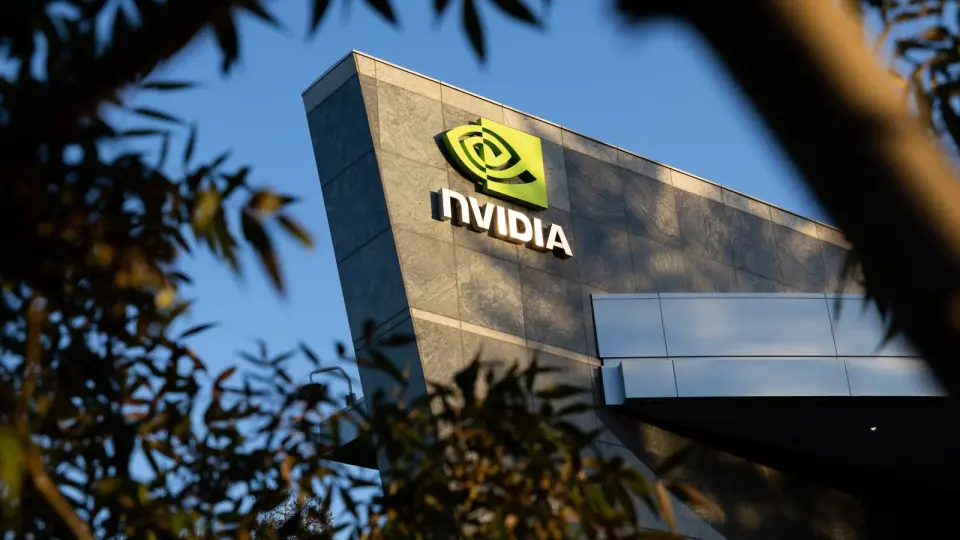
The U.S. Commerce Department issued an interim final rule on November 17, 2026, requiring licenses for advanced AI chip sales to data centers in Singapore, Malaysia, Thailand, Indonesia, and Brazil. This move targets a loophole allowing Chinese firms to remotely access restricted hardware, closing a gap that persisted despite previous export bans. The regulation follows the resignation of Nvidia CEO Jensen Huang amid an espionage scandal and precedes a high-stakes summit between Donald Trump and Xi Jinping.
Key points
- The Bureau of Industry and Security (BIS) announced an interim final rule requiring licenses for chip sales to data centers in five countries, including Singapore and Malaysia.
- The rule targets remote access to advanced AI chips, preventing Chinese companies from bypassing export controls by renting computing power abroad.
- Nvidia warned customers that the proposed Remote Access Security Act (RASA) could expose them to legal action if they rent more than 50% of GPUs to Chinese entities.
- The new restrictions come days before a summit between Donald Trump and Xi Jinping, creating a diplomatic dilemma for Beijing.
- The rule formally rescinds the Biden-era AI Diffusion Rule, which had not been formally revoked despite the Trump administration's refusal to enforce it.
Background
In late 2025 and early 2026, U.S. export controls restricted the direct shipment of advanced chips to China. However, Chinese firms began renting computing power from data centers in Southeast Asia and Brazil to train AI models. This remote access loophole allowed Chinese companies to utilize U.S. technology without physically importing the hardware. The situation intensified in November 2026 after Nvidia CEO Jensen Huang resigned following an affair with a woman suspected of being a Chinese spy, leading to increased scrutiny of Nvidia's compliance with export controls and pressure on the Commerce Department to act.
How outlets are covering it
CNBC emphasizes the legal risks Nvidia communicated to customers regarding the Remote Access Security Act, noting that the chipmaker will not sell to clients renting more than 50% of GPUs to Chinese firms. BBC highlights the economic impact on Southeast Asian data center hubs, noting that countries like Malaysia and Thailand, which relied on Chinese investment, face reduced demand for advanced chips. NBC News frames the rule as a major policy shift, praising it as the first good-faith effort to close loopholes in 18 months and noting it was directed by the Treasury and National Security Council. Bloomberg focuses on the diplomatic tension, suggesting the rules force Xi Jinping to decide whether to retaliate against a fragile trade truce or delay action until after the Trump-Xi summit.
Why it matters
The new rule closes a significant loophole that allowed Chinese AI firms to access U.S. technology, potentially slowing China's AI development. It also impacts the data center boom in Southeast Asia, where many facilities were built to serve Chinese clients. The timing of the rule, just before a U.S.-China summit, adds complexity to diplomatic negotiations and could influence the outcome of trade talks between the two nations.
What to watch
The Remote Access Security Act (RASA) must still pass the Senate. Jensen Huang is scheduled to testify before the Senate Banking Committee on December 3. The Trump-Xi summit is expected to take place in Shenzhen this week, where the new chip restrictions may be a key topic of discussion.
- Nvidia warns chip buyers of legal risks tied to China AI access, sources tell CNBC CNBC
- U.S. companies from Nvidia to Apple face a growing China dilemma CNBC
- How new US chip restrictions on South East Asia will hit China BBC
- U.S. closes loophole that let Chinese companies use top AI chips through foreign data centers NBC News
- US Chip Curbs Force Xi to Weigh Response Before Trump Summit Bloomberg.com
Want the full story? Read the original reporting
Read on CNBC