
Midterm voters reject data center expansion, triggering AI market divergence
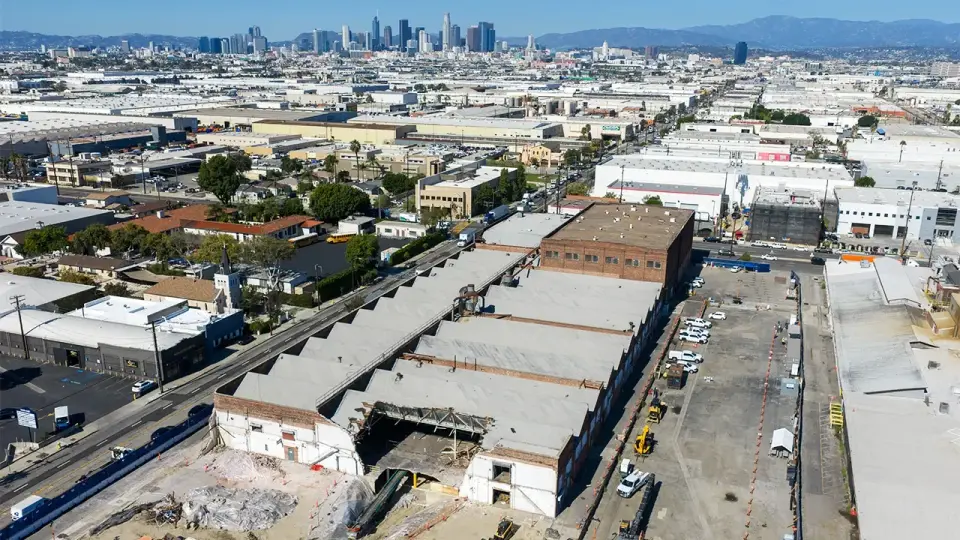
US voters in 10 states overwhelmingly rejected data center expansion in Tuesday's midterms, passing restrictions in nearly all 41 local measures. Democratic governors-elect in Texas, Ohio, and Georgia now support moratoriums, threatening the AI industry's $1 trillion annual spending boom. Markets reacted sharply, with hyperscalers like Microsoft rising while debt-heavy neoclouds like CoreWeave fell, highlighting a widening financial divide.
Key points
- Voters backed restrictions or rejected development in all but one of 41 local ballot measures across 10 states, with many passing by wide margins.
- Democratic candidates won key governorships in Texas, Ohio, and Georgia, campaigning on data center moratoriums and stricter environmental regulations.
- More than 145 data center projects were delayed or canceled nationwide through early August, largely due to public opposition.
- OpenAI announced it would pay full power costs for its data centers and publish construction plans to address community concerns.
- AI infrastructure spending is expected to approach $1 trillion annually, accounting for up to 25% of US economic growth this year.
Background
Recent coverage noted that 38 of 44 data center initiatives passed in the midterms, triggering a significant sell-off in AI-linked stocks. Earlier reports highlighted that while industry leaders framed the results as an anti-Trump vote, analysts warned that state-level moratoriums would delay projects and increase costs, potentially benefiting China in the global AI race. The 2026 midterms also saw voters reject abortion bans and wealth taxes, but data center opposition emerged as a dominant theme across multiple states.
How outlets are covering it
Fox Business emphasized the breadth of voter opposition, citing Ballotpedia and CNBC data showing restrictions passed in 10 states, while noting OpenAI's new policy blueprint. CNBC focused on the financial bifurcation, with JPMorgan analysts noting that hyperscalers like Microsoft and Amazon surged over 6% while neoclouds like CoreWeave plunged 10% due to higher borrowing costs. CNN highlighted the macroeconomic implications, with Goldman Sachs estimating that Democratic-controlled states now account for 45% of planned data center capacity, and Wells Fargo warning that a 10% reduction in Texas capacity could cut Big Tech AI spending by 1.6%. Industry representatives, such as the Data Center Coalition, argued that data centers provide jobs and tax revenue, while critics noted unsustainable growth and questionable business models.
Why it matters
The results signal a potential slowdown in the AI infrastructure buildout, which has been a key driver of US economic growth. Tighter regulations could delay projects, increase costs, and force companies to rethink their expansion strategies. The divergence between hyperscalers and neoclouds may reshape the AI industry's competitive landscape, while community concerns over electricity costs, water use, and local control could lead to more sustainable but slower development.
What to watch
Democratic governors-elect in Texas, Ohio, and Georgia are expected to implement moratoriums and stricter regulations, potentially delaying projects planned for 2028 and beyond. OpenAI's new policy blueprint may set a precedent for other companies, while investors will watch how hyperscalers and neoclouds navigate the widening financial divide. The impact on AI spending and economic growth will depend on how quickly companies can adapt to new regulations and community demands.
- Data centers were on the ballot, and voters sent unmistakable message Fox Business
- NEWSLETTER: Did US data centre backlash help Democrats? Reuters
- How the midterms could fuel the K-shaped AI trade CNBC
- America got the anti-data-center wave it voted for. Here come the economic consequences CNN
- The blue wave is straining the AI boom Politico
Want the full story? Read the original reporting
Read on Fox Business