
FCC Robot Vacuum Ban Shifts Focus to Manufacturing, Not Security
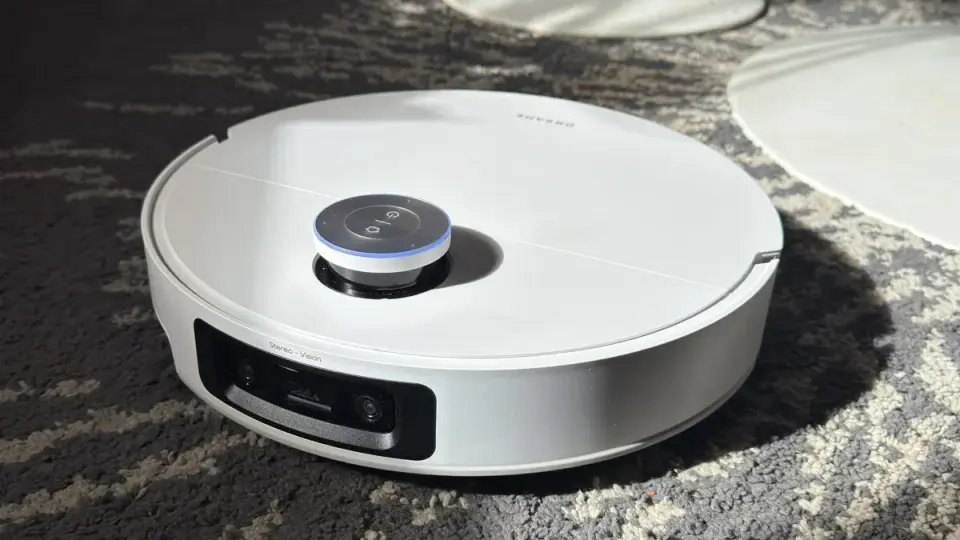
The FCC has expanded its ban on foreign-made advanced robots to include robot vacuums, lawnmowers, and delivery bots. The rule targets new models over 4.4 pounds with computer vision and wireless connectivity, effectively blocking imports from major Chinese manufacturers like Roborock and Ecovacs. Critics argue the policy focuses on manufacturing location rather than actual security flaws, potentially raising prices for US consumers while leaving existing devices unaffected.
Key points
- The new FCC rules prohibit the import of future software-controlled robots weighing over 4.4 pounds that use computer vision, covering vacuums, lawnmowers, and sidewalk delivery bots.
- The ban targets new products only; existing robot vacuums already in US homes remain legal to use and receive updates through at least January 2029.
- Major Chinese manufacturers including Roborock, Ecovacs, and Dreame are affected, as are US-based companies like Matic if they manufacture less than 65% of their products in the US.
- Critics note the ban does not address specific security vulnerabilities, such as the 2024 Ecovacs hack or recent DJI breaches, but instead imposes a broad manufacturing requirement.
- Waivers are available for companies that commit to US manufacturing, but exemptions are not tied to improved security practices, raising concerns about consumer costs and product availability.
Background
This development follows earlier FCC actions extending bans on foreign-made advanced robotic devices, including humanoid robots, citing national security concerns. Previous coverage highlighted that the ban targets new models, allowing existing devices to continue functioning. The policy aligns with broader efforts to shift robotics manufacturing back to the US, though it has drawn criticism for its broad scope and lack of focus on specific security flaws.
How outlets are covering it
Gizmodo and The Verge emphasize the ban's broad scope and its impact on consumers, noting that it targets manufacturing location rather than security practices. They highlight that even US-based companies like Matic could be affected if they do not meet the 65% US manufacturing threshold. CNN focuses on the broader context of China's dominance in the humanoid robot market and the US response, but does not delve as deeply into the consumer impact or the specific security flaws cited by Gizmodo. Both outlets agree that the ban is ham-fisted and may raise costs for consumers, but Gizmodo provides more detail on the specific security incidents that could have been addressed instead.
Why it matters
The ban could significantly impact the availability and cost of robot vacuums and other smart home devices in the US, as it forces manufacturers to shift production to the US or face import restrictions. This may lead to higher prices and fewer options for consumers, while potentially failing to address the actual security concerns that prompted the ban. The policy also highlights the tension between national security goals and consumer affordability in the tech sector.
What to watch
Manufacturers will need to assess whether to shift production to the US or seek waivers, which could take time and increase costs. Consumers may face higher prices and fewer options for new robot vacuums and other smart home devices. The FCC and other agencies may review the ban's effectiveness and consider adjustments, particularly if security concerns remain unaddressed. The policy could also influence future regulations on other types of advanced robotic devices.
- Trump’s Robot Vacuum Ban Sucks for Everyone Gizmodo
- China’s humanoid robots have been taking over the global market. Now the US is banning them CNN
- US bans foreign-made humanoid robots, targeting China over national security Dallas News
- Trump administration bans new Chinese humanoid robots, to protect US AI buildout Reuters
- US Risks Broadening China Clash With Robot, Inverter Curbs Bloomberg
Want the full story? Read the original reporting
Read on Gizmodo