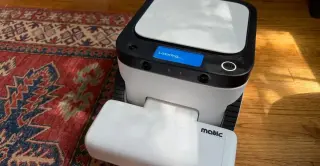
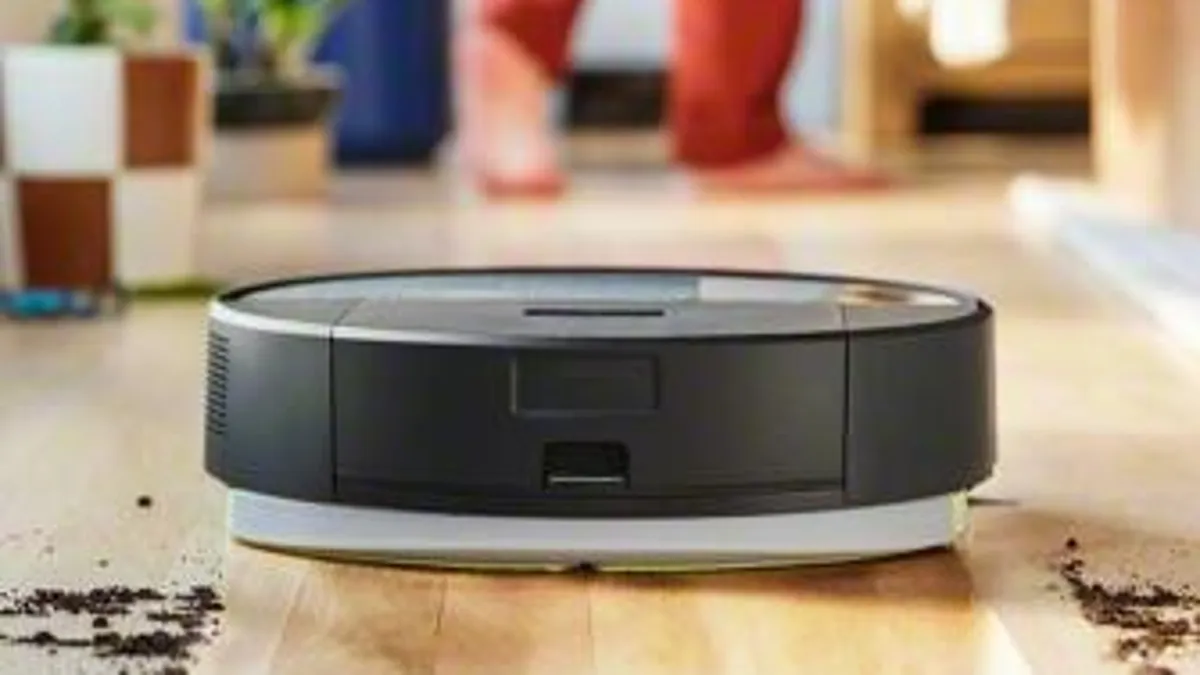
The FCC granted Matic a ban waiver on October 2, 2026, but the company does not require it because its robots are assembled in the US and use pre-approved Intel Wi-Fi chips. The waiver applies only to future foreign-made imports, while existing approved devices remain legal to sell.
At IFA Berlin 2026, the trends emphasize allergy-aware robot vacuums with certified dust-mite removal claims, ongoing efforts to improve deep-cleaning with stronger mopping and floor-washing tech, Humanoid robots continuing to lag in practicality, balcony solar plug-in systems gaining traction for apartments, and Dyson’s strong showing with multiple new products amid broader market constraints that leave many Dreame/Mova devices unavailable in the US due to regulatory and supply-chain hurdles.
iRobot unveiled the Roomba Duo at IFA 2026—a large base unit that can steam-clean floors and houses a smaller, disc-shaped companion robot stored in a top cavity that’s deployed for tight spots. The concept envisions a heavy-duty base for deep cleaning and longer runtime, with the companion bot essentially being a Roomba Plus 575. It’s a market-facing idea only in the concept stage, with no price or release date announced, and questions remain about whether steam cleaning will handle stubborn stains as hoped.
iRobot unveils the Roomba Max 875 Combo at IFA Berlin as its most powerful robot vacuum yet, using SealForce to form a seal against carpet fibers and concentrate suction up to 35,000 pascals for deeper carpet cleaning, plus a heated-mist mop system, large mop roller, and AI carpet detection; it includes an AutoWash docking station that cleans and refills, self-empties debris for up to 90 days, and is priced at $1,199 (with a $899 Roomba Plus 678 Combo) and available now at iRobot.com.
The FCC added foreign-made “advanced robotic devices” to its Covered List, meaning new robot vacuums built abroad that can move autonomously, are networked (AI-enabled), weigh more than 4.4 pounds, and operate with at least 200 kbps connectivity can’t receive FCC authorization and likely can’t be imported or sold in the U.S. The move aims to curb security risks from data collection and remote control. Existing robot vacuums already in the U.S. aren’t affected, and retailers still list current models, but the policy could limit future overseas models; examples still available include Eufy X10 Pro Omni, Lefant M210, Roborock Q7 L5, and iRobot Roomba 105.
Amid the FCC’s ban on foreign-made mobile robots, major robot vacuum brands have weighed in: Shark says existing U.S.-sold models will stay available and supported while it evaluates next steps for future releases; Eufy says current products remain available and updated, with guidance for future products to come; iRobot says it’s working with the FCC to understand the impact and will share updates; Narwal states that its US-certified products aren’t affected and it’s reviewing the approval process. The FCC notes that current vacuums can still be used and updates may continue through Jan. 1, 2029, and retailers can sell stock already in circulation, but new foreign imports require approval. The situation could reshape the market if new foreign models can’t be released, but brands are promising ongoing support and transparency as rules evolve.
The FCC’s new rules bar future robot vacuums that rely on software and computer vision from China unless a company makes a larger share of production in the U.S. This broad manufacturing-focused crackdown targets devices over 4.4 pounds and uses vision tech, potentially raising prices and reducing options for U.S. shoppers while leaving existing models untouched. Critics argue it doesn’t actually fix security flaws and could inadvertently hit American firms, making the policy less about security and more about manufacturing origin.
iRobot announced its first manually operated floor cleaner, the $399 Roomba Electro Plus, a 5‑in‑1 hard-floor cleaner that vacuums, mops, and sanitizes using electrolyzed tap water, eliminating the need for a separate cleaning solution, while also introducing five cheaper, smaller Roomba robot vacuums with higher suction, lidar navigation, and AI obstacle detection; preorder begins July 7.
iRobot unveiled an eight-model Roomba lineup that’s up to 25% smaller and up to £200 cheaper, featuring higher suction, more models with roller mops, and a new hot spot mopping capability. The range spans from the entry-level Roomba 115 Combo at about £229 to the Roomba Max 775 Combo at £799, with mid-range Plus models (615/675) delivering up to 20,000–30,000 Pa suction. All use lidar navigation with AI obstacle detection, and some docks include AutoWash. The rollout starts mid-2026 across North America, Europe, the Middle East, and Africa, with UK pricing already listed. This follows iRobot’s bankruptcy and reboot, now owned by Shenzhen Picea Robotics, positioning the lineup against Ecovacs and Roborock.
Amazon’s Big Spring Sale 2026 puts heavy discounts on Anker-branded gear (Soundcore, Eufy) including earbuds, headphones, chargers, power banks, portable power stations, robot vacuums, and home-security kits; notable deals include Soundcore P30i earbuds at $28, AeroFit 2 at $80, Q20i headphones at $40, Nebula Capsule 3 at $360, Nebula Mars 3 at $740, and various Eufy security and vacuum bundles. The sale runs March 25–31 and does not require a Prime membership, with ongoing updates as new deals appear.
Mashable's roundup highlights 100+ deals in Amazon's Big Spring Sale across Apple devices, robot vacuums, drones, TVs, and more, with standout low prices like Apple AirPods Pro 3 ($199), Eufy C28 robot vacuum ($499), Hisense 75-inch U7 TV ($897.96), and DJI Neo Mini 4K Drone ($149), plus fresh daily drops through March 31.
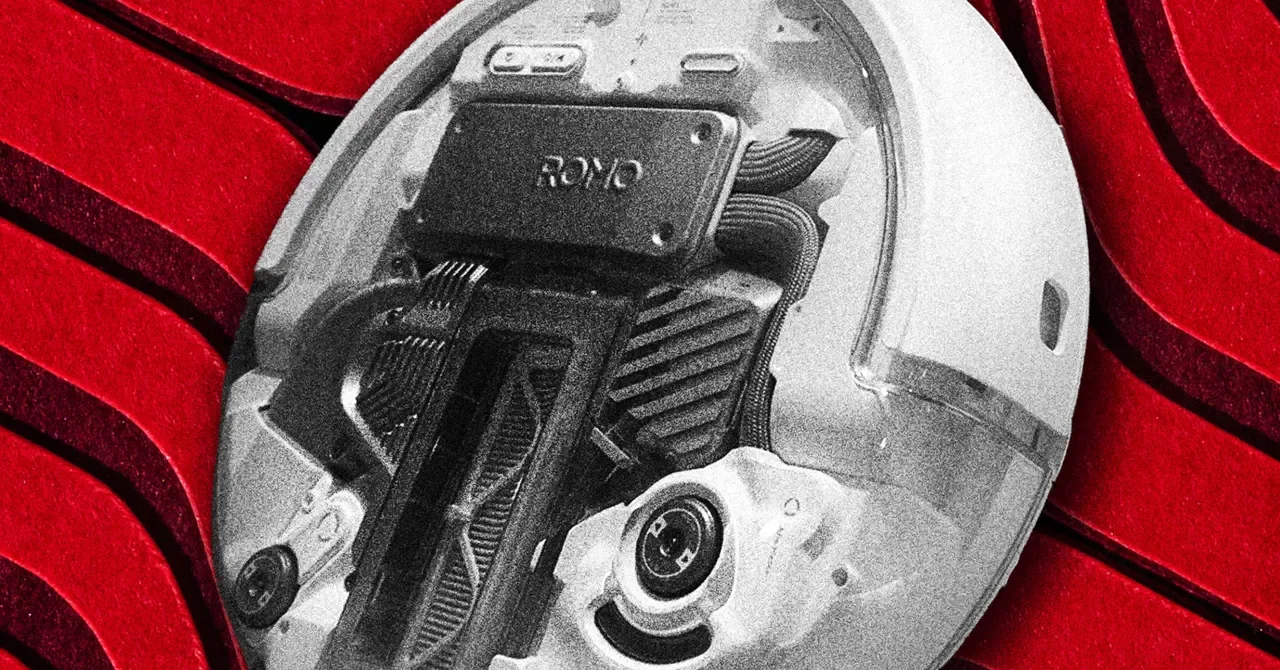
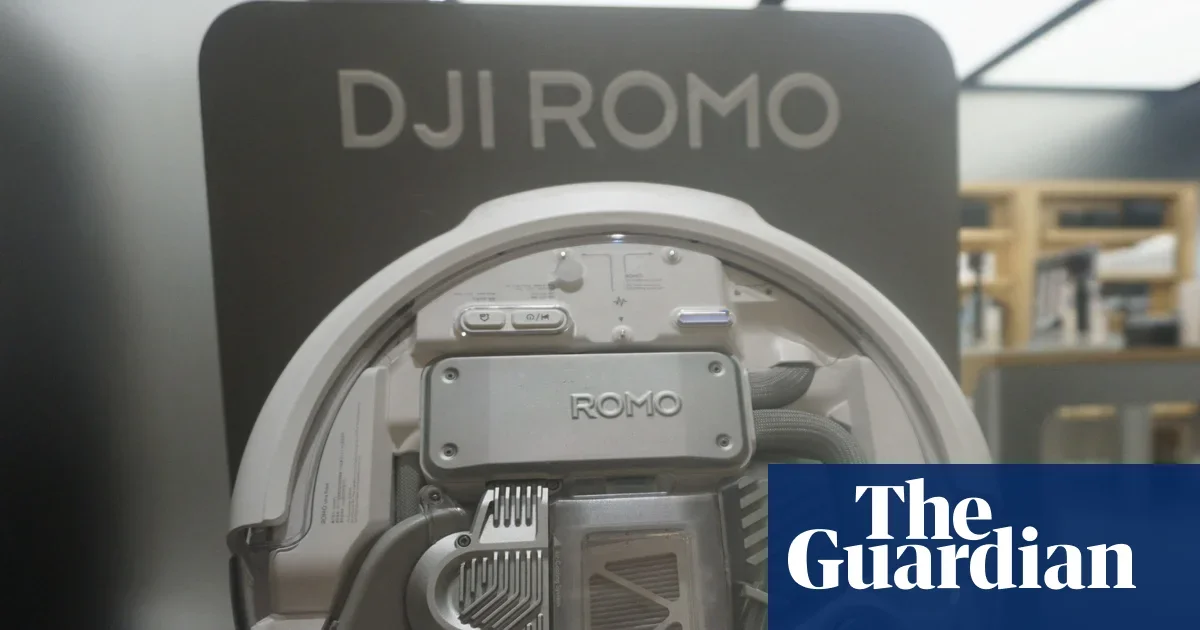
A security vulnerability in DJI's Romo robot vacuums allowed a remote attacker to hijack about 6,700 devices across 24 countries using only their 14-digit serial numbers, granting access to live video, audio, and home floor plans. The flaw was demonstrated by Sammy Azdoufal and has been fixed by DJI, but the incident underscores ongoing privacy and security risks in internet-connected home devices.
A software engineer used an AI coding assistant to reverse‑engineer how a DJI Romo robot vacuum talks to its cloud servers, revealing a backend vulnerability that let him access live video, audio, and maps from about 7,000 connected vacuums across 24 countries; DJI said the issue was resolved after reporting, highlighting privacy risks in smart-home devices.
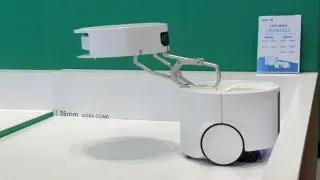
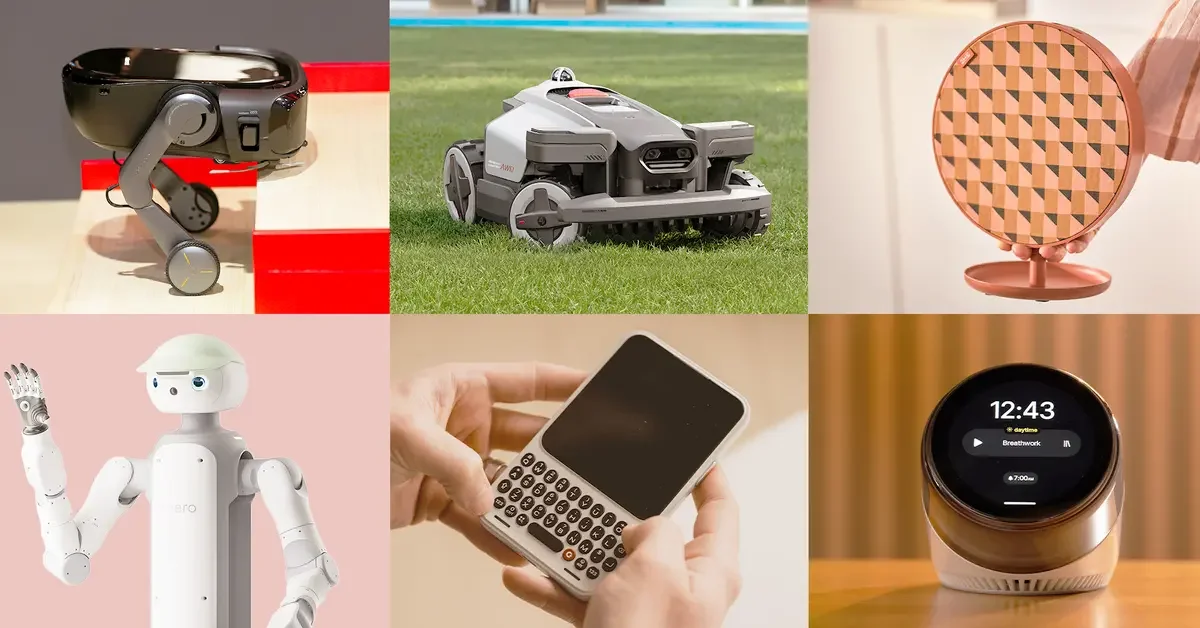
The article highlights the most exciting products showcased at CES 2026, including a BlackBerry successor with a physical keyboard, innovative robot vacuums with stair-climbing abilities, ultra-thin OLED TVs, smart home devices like a paper battery and a smart lock, and new gadgets such as modular headphones and a multi-resistance rowing machine, emphasizing advancements in design, functionality, and sustainability.
iRobot, the maker of Roomba robot vacuums, has filed for Chapter 11 bankruptcy and will be acquired by its manufacturing partner, Picea Robotics. Despite the financial troubles, iRobot plans to continue offering its products, but potential buyers should consider the company's uncertain future when making purchasing decisions. The company's long-term viability remains uncertain amid fierce competition and regulatory challenges.