
AI Water Use Estimates Reach 765 Billion Litres Amid Cooling and Power Grid Uncertainties
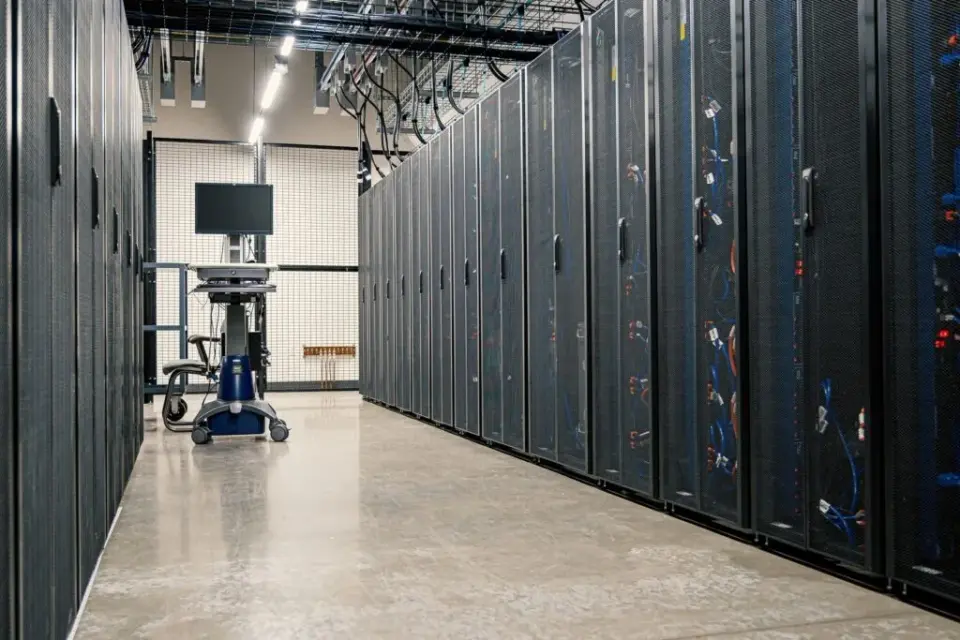
A 2025 study estimates AI systems consumed between 312.5 and 764.6 billion litres of water in 2025, a figure derived from incomplete corporate data. This range exceeds global bottled water sales, highlighting significant opacity in AI resource tracking. While direct cooling uses water, indirect power generation accounts for the majority of consumption. Experts note that cooling methods vary widely, with closed-loop systems using minimal water but higher electricity, while evaporative methods consume more water. Transparency in reporting AI-specific water usage remains a critical gap.
Key points
- A peer-reviewed study by Alex de Vries-Gao estimates AI water consumption at 312.5 to 764.6 billion litres for 2025, based on power demand and water intensity metrics.
- The upper estimate of 764.6 billion litres is more than twice the volume of bottled water sold globally, though it is a modelled range rather than a precise measurement.
- Indirect water use from electricity generation accounts for the majority of consumption, with thermal plants using water for steam and waste heat removal.
- Data center operators often report fleet-wide environmental totals, making it difficult to isolate AI-specific water usage from other cloud workloads.
- Cooling technologies vary significantly; closed-loop systems use minimal water but require more electricity, while evaporative cooling consumes more water but is common in many facilities.
Background
Previous coverage in July 2026 highlighted data centers as critical infrastructure for AI, noting high resource use and cooling demands. In August 2026, drought conditions in Europe forced nuclear plants to throttle or shut down due to insufficient cooling water, illustrating the link between water availability and energy production. These events underscore the growing strain on water resources from both AI infrastructure and traditional power generation.
How outlets are covering it
Silicon Canals emphasizes the opacity of AI water usage, noting that the 765 billion litre figure is a modelled estimate with significant uncertainty due to incomplete corporate disclosures. It highlights the distinction between direct cooling water and indirect power-related water, stressing that transparency is the key finding. Spectrum News focuses on the practical variations in cooling systems, noting that closed-loop systems use minimal water but require more electricity, while evaporative cooling consumes more water. It also mentions public concern over water use driving efficiency improvements. The two sources agree on the importance of cooling methods but differ in emphasis: Silicon Canals focuses on the scale and uncertainty of AI-specific water use, while Spectrum News focuses on the technical trade-offs between water and electricity in cooling systems.
Why it matters
The estimated water footprint of AI systems raises concerns about resource scarcity and environmental impact, particularly in water-stressed regions. The opacity in corporate reporting makes it difficult to assess the true impact, potentially leading to unsustainable resource use. As AI adoption grows, the demand for electricity and water will increase, straining local resources and potentially exacerbating drought conditions. Transparency in reporting AI-specific water usage is crucial for developing sustainable infrastructure and mitigating environmental risks.
What to watch
Data center operators are expected to improve transparency by reporting AI-specific water usage, distinguishing between direct and indirect consumption, and separating AI from other cloud workloads. Efficiency improvements in cooling technologies and chip design may reduce water use, but trade-offs with electricity consumption must be considered. Regulatory pressure and public concern may drive adoption of more efficient cooling methods, while location of data centers in water-rich regions may become a strategic consideration. Continued research into water-efficient cooling methods and grid integration will be essential for sustainable AI growth.
- AI's hidden water footprint may have reached 765 billion litres in 2025 — consumed in data-centre cooling and the power plants supplying them. That's more than twice the volume of bottled water the entire world buys in a year. Silicon Canals
- In Texas and New Mexico, AI data centers may consume 10 times more water than Big Tech says Yahoo
- Hidden environmental cost of powering growing digital and AI-world The Hindu
- Data centers' cooling systems vary in terms of water use, efficiency Spectrum News
- Will AI data centers soak up the last of the valley’s water? Fresno Bee
Want the full story? Read the original reporting
Read on Silicon Canals