Protests erupted in Batam, Indonesia, as residents blame new data centers for severe water shortages. While authorities cite drought conditions, locals argue that massive AI infrastructure is diverting water from households. This conflict highlights a broader regional tension between rapid digital expansion and resource sustainability.
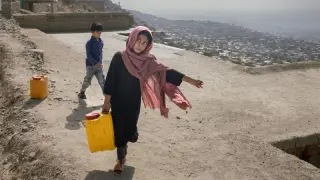
Kabul is projected to become the first modern city to run out of water by 2030, according to a report by nonprofit Prosper Global. While the city sits in a valley fed by the Hindu Kush mountains, groundwater levels have dropped nearly 100 feet in a decade, with half of all boreholes drying up. Only 20% of residents have access to piped water, forcing many to rely on expensive private tankers or walk long distances to hand pumps. The crisis is exacerbated by six consecutive years of drought, a 25-year low in snowfall, and a population that has surged from 1 million in 2001 to 6 million today. International aid has dried up since the Taliban's return to power in 2021, leaving the government with limited capacity to address the 'water bankruptcy' described by experts.
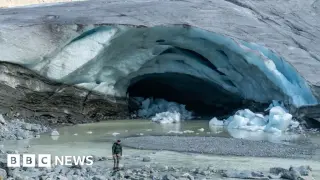
Swiss glaciers lost a record 5.5% of their ice in 2026, a rate described as 'disastrous' by scientists. This rapid melting, driven by intense heatwaves and low snow cover, has accelerated the loss of approximately 20% of Swiss glacial ice since 2021. The depletion threatens long-term water supplies for agriculture, hydropower, and shipping, while increasing the risk of landslides and flash floods in the Alps.
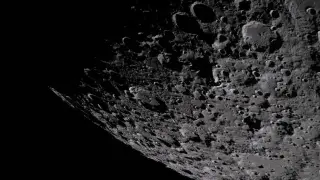
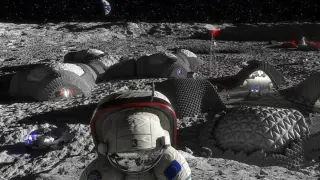
A new study in Frontiers in Space Technologies concludes that the Moon’s limited water reserves cannot support large, permanent human settlements. While a 1-million-person city would exhaust lunar water in under 2.5 years without recycling, even with 98% recycling efficiency, it would run dry within a century. Smaller settlements of 1,000 to 10,000 people could sustainably use lunar water for centuries or millennia, but large-scale ambitions require finding new water sources or importing it from elsewhere in the solar system.
A new study in Frontiers in Space Technologies concludes that the Moon’s limited water reserves cannot support large-scale human cities. Researchers Martin Elvis and Jonathan McDowell calculate that even with 98% water recycling efficiency, a billion tons of lunar ice would only sustain a million-person colony for about 100 years. While smaller settlements of 1,000 to 100,000 people are viable, the findings challenge recent ambitions for massive lunar metropolises and highlight the need for international cooperation in managing lunar resources.
A new study in Frontiers in Space Technology argues that large-scale human settlements on the Moon are likely impossible due to severe water limitations. Researchers Martin Elvis and Jonathan McDowell calculate that even with 98% water recycling efficiency, a colony of one million people would exhaust the Moon's estimated one billion tons of water ice within a century. While power generation via solar or nuclear means is feasible, water is the critical bottleneck. The study suggests that without discovering massive new subsurface water deposits or achieving a tenfold improvement in recycling efficiency, lunar habitation will remain limited to small scientific or military outposts rather than large cities.
A new study in Frontiers in Space Technologies indicates that the Moon's estimated water reserves are insufficient to sustain a large-scale human city. Researchers Martin Elvis and Jonathan McDowell found that a population of one million would exhaust the Moon's water in roughly two years without recycling, or about 100 years with 98% recycling efficiency. While smaller settlements of 1,000 to 10,000 people could persist for centuries, the findings challenge Elon Musk's goal of building a self-growing lunar city within a decade. The study suggests that achieving large-scale habitation requires discovering more water, improving recycling, or importing water from asteroids.
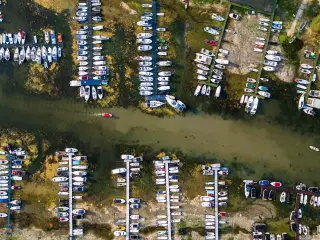
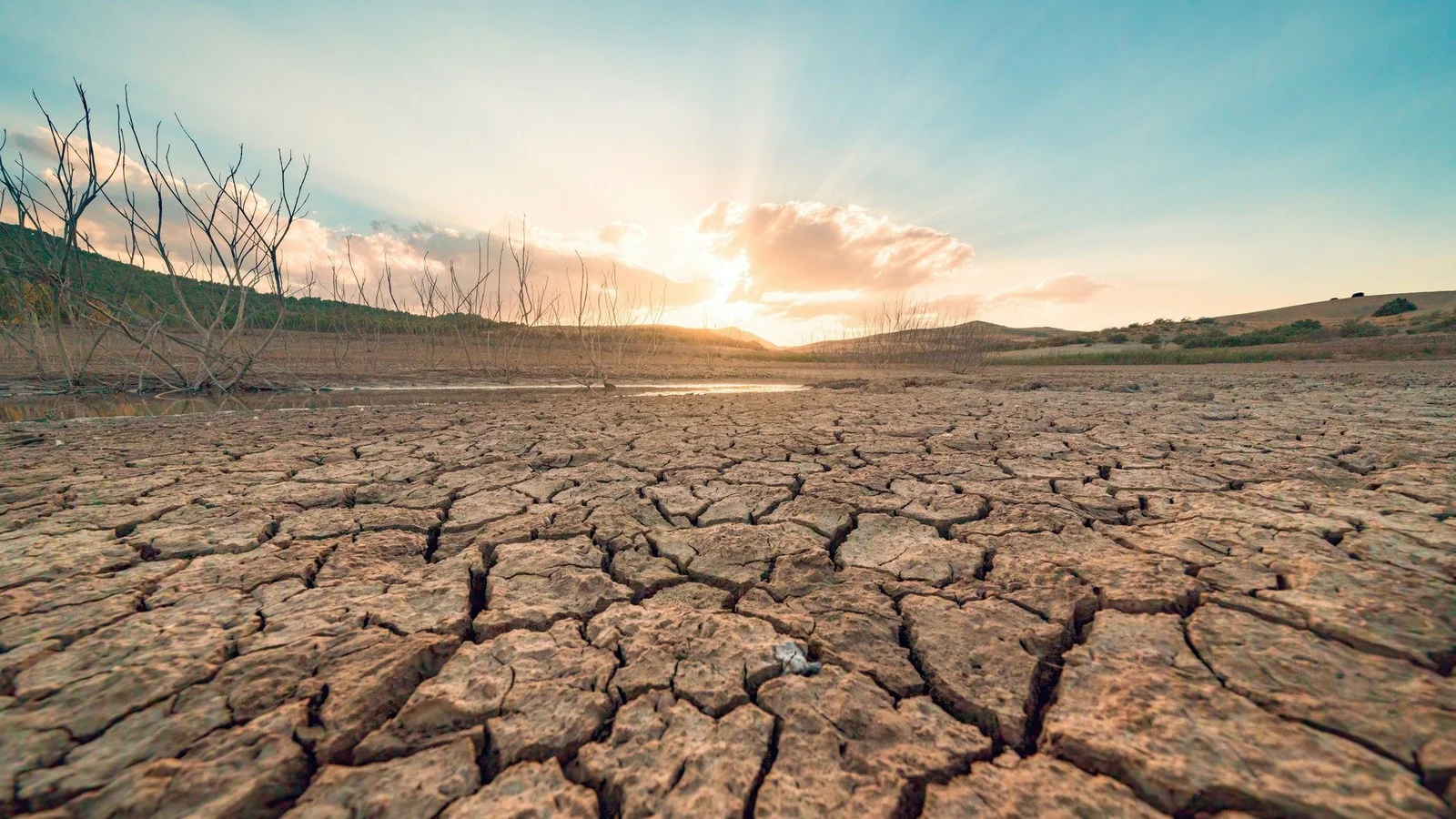
New satellite analysis shows major European rivers — Loire, Rhine, Po and Danube — at record-low levels due to heat and drought, with shipping disruptions on the Rhine and increased stress on water use, irrigation, and energy across several countries. The drought spans Central and Western Europe, England reports its driest July on record with most of the country in drought, and cities like London and Vienna show vegetation stress as conditions are expected to persist through September.
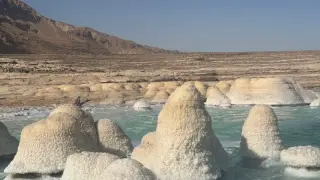
The Dead Sea, the world’s lowest point and among the saltiest bodies of water, is shrinking by about four feet per year due to river diversions, mineral extraction, and climate change, spawning more than 6,000 sinkholes and threatening beaches and livelihoods. Multiple rescue plans exist, including a Red Sea desalination project and Jordan River restoration, but high costs and regional political tensions have stalled action, leaving experts to focus on stabilizing decline rather than restoring it to its former level.
A UNU-INWEH report warns that surging demand for lithium, cobalt and nickel—the core of batteries and chips—drains water, contaminates rivers, hurts agriculture, and harms health in poor mining regions from the DRC to Chile and Bolivia. About 456 billion litres of water were used to extract 240,000 tonnes of lithium in 2024, while cobalt and nickel pose additional risks; 700 million tonnes of waste were generated by global rare-earth production. Although greener energy reduces emissions for consumers in the Global North, the costs fall on communities far away, prompting protests and calls for mandatory international due diligence, tighter pollution controls, and independent water monitoring as the green transition expands. Without reform, developing countries risk bearing the burden of a transition that wealthier nations benefit from.
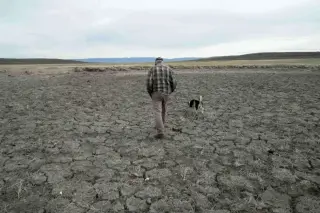
A record drought across the United States is driving up food prices, increasing wildfire risk, and straining water supplies, highlighting broad impacts on agriculture, communities, and daily life.
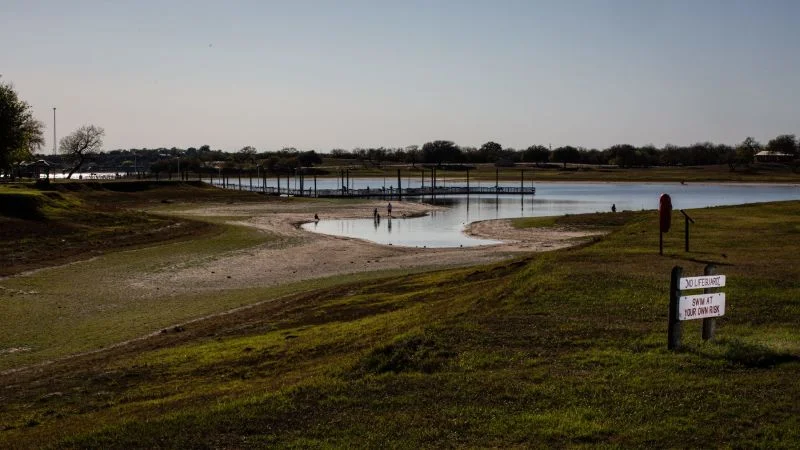
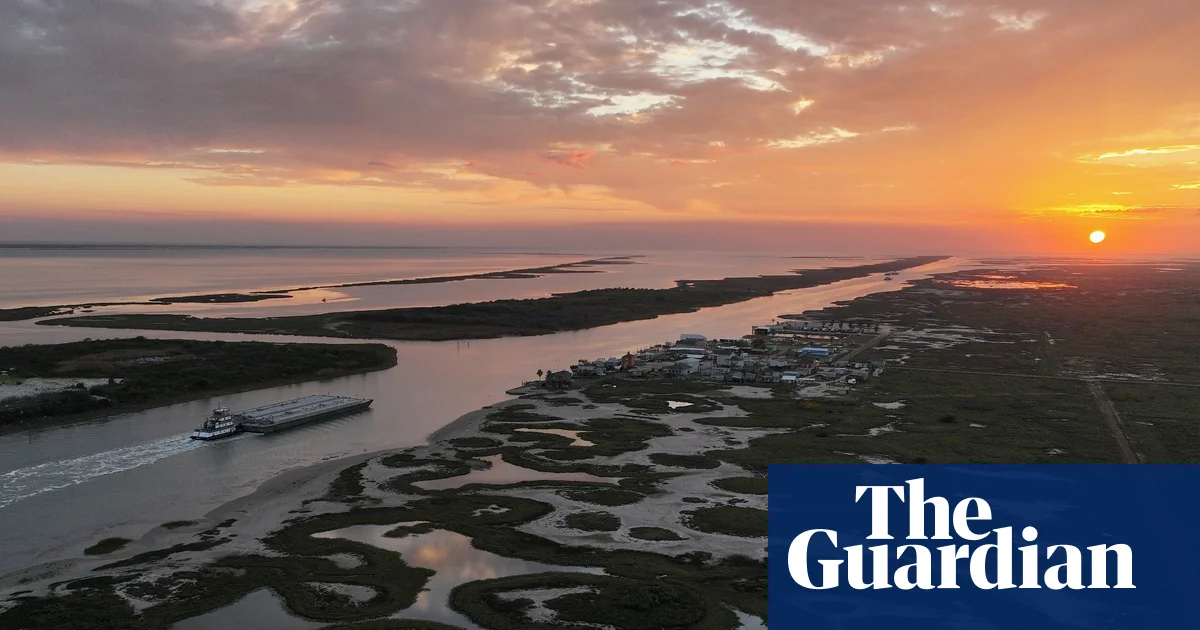
Corpus Christi, Texas, is nearing a water emergency as Lake Corpus Christi sits at about 9% capacity and nearby lakes are even lower, threatening residential taps while a petrochemical and steel‑making boom dries up available water. Industry has pledged large water allocations for new plants, but supplies are uncertain, and a gulf desalination plant (Inner Harbor) has faced escalating costs and delays. City officials are pursuing groundwater and other sources, while Governor Abbott has floated state intervention and rules to accelerate relief. A potential Level 1 drought could force mandatory cuts, though industry concerns over jobs and economic impact complicate decisions, underscoring the clash between industrial water use and climate-driven scarcity.
The article highlights how the climate crisis has increasingly impacted Americans' lives through record heat, wildfires, water shortages, shrinking growing seasons, and loss of biodiversity, with individuals sharing personal experiences of these changes and efforts to adapt.
A new report highlights the alarming loss of freshwater from Earth's continents, amounting to enough water annually to meet the needs of 280 million people, primarily caused by groundwater extraction and climate change. It emphasizes the importance of improved water management, efficient agricultural practices, and global water trade to combat this crisis and ensure sustainable water use worldwide.
The announcement of a Google data center in Visakhapatnam aims to transform the city into an AI hub, but raises concerns about actual job creation, local benefits, and the environmental impact of high water and energy consumption, especially given the region's water scarcity and the substantial incentives offered by the government.