
Amazon files FCC request for 5,105-satellite direct-to-cell network
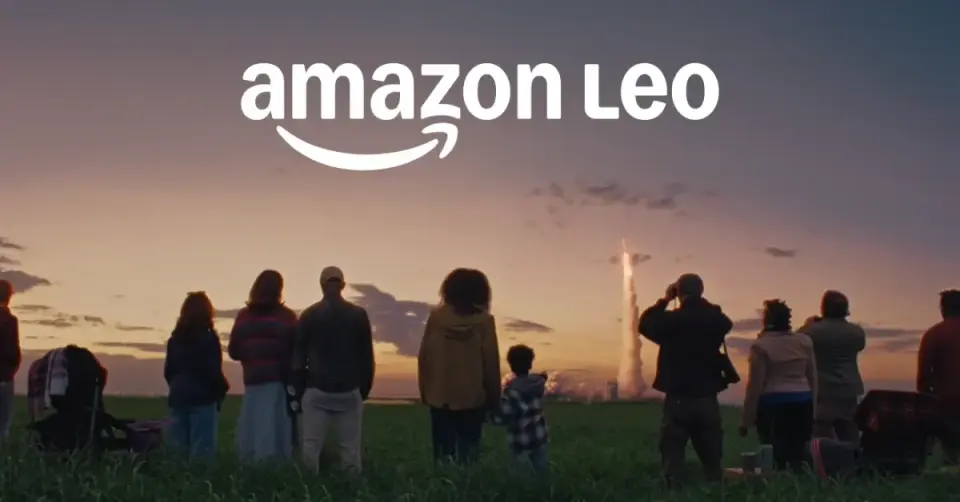
Amazon has filed an FCC application to launch a 5,105-satellite constellation for direct-to-device mobile service by 2028, leveraging Globalstar spectrum and Apple partnerships to compete with Starlink Mobile.
Key points
- Amazon filed an FCC application on July 26, 2026, to deploy 5,105 satellites for direct-to-device (D2D) voice, messaging, and data services.
- The new constellation is nearly double the size of Amazon’s initial Leo broadband network, which currently has over 390 satellites in orbit.
- The D2D network will utilize spectrum from Globalstar, which Amazon agreed to acquire for approximately $11.6 billion in April 2026.
- Amazon plans to partner with mobile operators and Apple, extending existing satellite services for iPhones and Apple Watches to a broader global network.
- The FCC filing includes a request to use Iridium spectrum outside the US, despite Rocket Lab’s ongoing acquisition of Iridium.
Background
Amazon’s Leo satellite broadband network, formerly Project Kuiper, has been rapidly expanding since 2025. By July 2026, the company had deployed over 390 satellites, enough to begin initial broadband service later this year. This new D2D filing represents a distinct expansion into mobile connectivity, separate from the broadband infrastructure that aims to rival SpaceX’s Starlink. The move follows Amazon’s April 2026 announcement to acquire Globalstar, a satellite operator with existing mobile spectrum licenses and a partnership with Apple for satellite-enabled devices.
How outlets are covering it
The Verge emphasizes the competitive parallel between Amazon’s D2D plan and Starlink’s partnership with T-Mobile, highlighting the potential for direct-to-cell service to become a standard mobile feature. CNBC focuses on the business strategy, noting that Amazon targets 'unserved or underserved' markets and that the Globalstar acquisition is valued at roughly $11.6 billion. Advanced Television, cited by The Verge, points out a regulatory nuance: Amazon’s FCC application seeks to use Iridium’s spectrum internationally, even as Rocket Lab is in the process of acquiring Iridium. Amazon’s own documentation stresses technical superiority, claiming its satellites will process signals in orbit rather than acting as simple 'bent pipe' relays, and will use optical inter-satellite links for efficient routing.
Why it matters
This filing marks Amazon’s formal entry into the direct-to-device satellite market, a sector previously dominated by SpaceX’s Starlink Mobile. By combining its massive Leo broadband infrastructure with Globalstar’s mobile spectrum and Apple’s device ecosystem, Amazon is positioning itself to offer global mobile connectivity without traditional cell towers. This could significantly impact rural connectivity, emergency services, and the competitive landscape for satellite communications, potentially forcing traditional telecom operators to adapt or partner with space-based providers.
What to watch
The FCC must review and approve Amazon’s application before deployment can begin. Amazon expects to start deploying the 5,105-satellite constellation in 2028, following the completion of the Globalstar acquisition in 2027. The company must also navigate spectrum coordination with other operators, including Iridium and Rocket Lab, to ensure its international spectrum requests are granted without interference. Initial service is expected to complement existing Leo broadband offerings, focusing on areas where terrestrial networks are unavailable or unreliable.
- Amazon’s trying to launch a global satellite cellphone network in 2028 The Verge
- Amazon seeks federal approval to launch 5,105 satellites for direct-to-device network CNBC
- Amazon's Leo proposes satellite constellation for direct-to-phone service Reuters
- Amazon Seeks FCC Nod to Beam Satellite Coverage to Mobile Phones Bloomberg.com
- How Amazon Leo plans to connect mobile devices from space About Amazon
Want the full story? Read the original reporting
Read on The Verge