
Amazon Files FCC Application for 5,105-Satellite Direct-to-Device Network
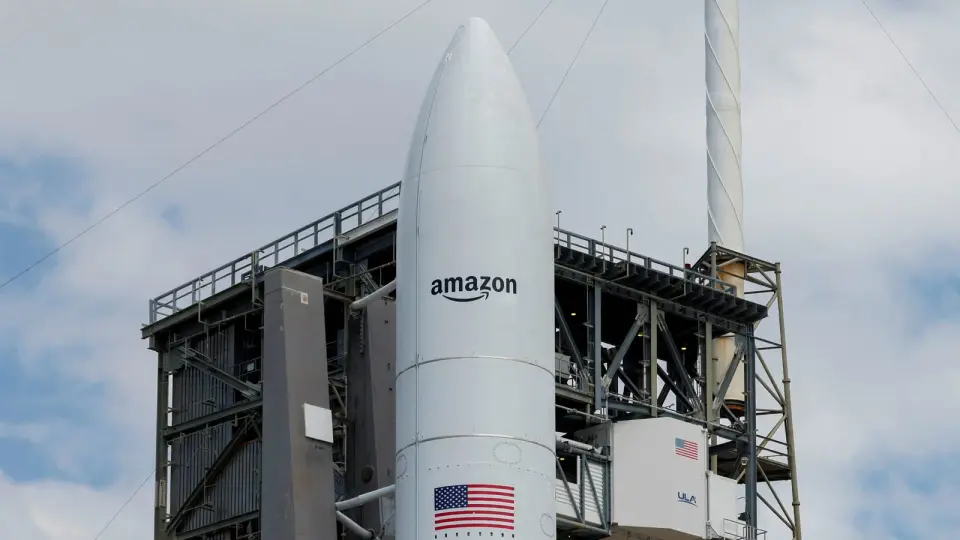
Amazon has requested federal approval to launch a constellation of up to 5,105 satellites to provide direct-to-device connectivity. The network, branded as Amazon Leo, aims to deliver voice, messaging, and data services to areas lacking terrestrial coverage. Deployment is scheduled to begin in 2028, leveraging spectrum and assets from the pending $11.6 billion acquisition of Globalstar. This move positions Amazon as a major competitor to SpaceX’s Starlink Mobile and other satellite mobile providers.
Key points
- Amazon filed an application with the US Federal Communications Commission (FCC) to deploy up to 5,105 satellites for direct-to-device (D2D) connectivity.
- The proposed network will utilize spectrum and infrastructure from Globalstar, which Amazon agreed to acquire for approximately $11.6 billion in April 2026.
- Amazon plans to begin deploying the D2D network in 2028, following the completion of the Globalstar acquisition in 2027.
- The system will operate across five orbital shells, using L-band and S-band spectrum for device connections and Ka-band and V-band for backhaul to ground stations.
- Amazon currently has over 390 broadband satellites in orbit and expects to begin initial fixed service later in 2026, while facing a July 2029 deadline to launch its full first-generation constellation.
Background
Amazon’s satellite ambitions have accelerated since the rebranding of Project Kuiper to Amazon Leo. The company has already deployed over 390 satellites and secured an FCC waiver to delay the launch of 1,600 first-generation satellites. This new D2D filing builds on existing partnerships with Apple for iPhone satellite services and agreements with operators like Vodafone and Herotel. The move follows a broader trend of tech giants entering the satellite mobile market, including SpaceX’s Starlink Mobile and AST SpaceMobile’s BlueBird deployments.
How outlets are covering it
CNBC emphasizes the competitive aspect against Elon Musk’s Starlink, noting Amazon’s current satellite count is dwarfed by SpaceX’s 10,000+ constellation. The Financial Times highlights the potential cost of the deployment, estimating $13-20 billion, and notes the intensifying competition with AST SpaceMobile. Amazon’s own filing focuses on technical specifications, such as the use of optical inter-satellite links and digital beamforming to maximize spectrum efficiency, while stressing the goal of serving 'unserved or underserved' populations. All sources agree on the 2028 deployment target and the reliance on Globalstar assets.
Why it matters
This filing marks a significant expansion of Amazon’s role in the telecommunications market, moving beyond broadband to direct mobile services. It challenges the dominance of SpaceX in the low Earth orbit (LEO) satellite space and could reshape the global cellular landscape by providing connectivity in remote areas. The acquisition of Globalstar provides Amazon with critical spectrum licenses, reducing regulatory hurdles for D2D services. Success in this arena could open new revenue streams and enhance Amazon’s infrastructure portfolio, while also increasing pressure on traditional telecom operators to expand coverage or partner with satellite providers.
What to watch
The FCC must review and approve Amazon’s application for the 5,105-satellite constellation. Amazon expects to close the Globalstar acquisition in 2027, which is a prerequisite for launching the D2D network in 2028. Meanwhile, Amazon continues to deploy its first-generation broadband satellites, with a deadline of July 2029 to launch all 3,232 planned satellites. The company will also need to coordinate with mobile network operators to integrate D2D services into existing cellular networks.
- Amazon seeks federal approval to launch 5,105 satellites for direct-to-device network CNBC
- Amazon's Leo proposes satellite constellation for direct-to-phone service Reuters
- Amazon targets Musk’s Starlink with satellite constellation for mobile services Financial Times
- How Amazon Leo plans to connect mobile devices from space About Amazon
- Amazon Seeks FCC Nod to Beam Satellite Coverage to Mobile Phones Bloomberg
Want the full story? Read the original reporting
Read on CNBC