iOS 27 introduces seven key features for older iPhones, including customizable Liquid Glass, pinned camera controls, and improved Wi-Fi transitions, while Siri AI remains exclusive to newer models.
Apple is preparing to release iPadOS 27.2 later this month, introducing two key updates: a contextual Siri popup for text selection and user profiles in the Apple TV app. The update follows the September launch of iPadOS 27 and builds on recent beta testing phases.
Apple is expected to announce new iPad mini, HomePod mini, and Apple TV 4K models in October, alongside a new operating system. The Siri AI class action settlement website is now live, offering eligible iPhone owners up to $95 per device. Additionally, the iPhone 18 Pro Max requires a special 'Prepare to Ship' feature for battery safety, and Beats 360 headphones have launched at $349.99.
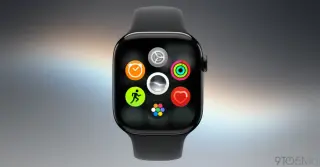
Apple released watchOS 27 on September 14, introducing a dynamic app grid, a dedicated Siri app, and improved health tracking. The update removes the Walkie-Talkie app and changes the Digital Crown gesture, though the App Switcher returns in the 27.2 beta.
OpenAI court filings reveal that the ChatGPT integration in Apple's Siri 'persistently underperformed' since its December 2024 launch. The partnership failed to generate significant new users or subscriptions, leading OpenAI to cut forecasts and request exclusivity, which Apple refused. This failure contrasts with Apple's recent pivot to Google's Gemini models for its new Siri AI, while OpenAI seeks to dismiss an antitrust lawsuit filed by Elon Musk's xAI.
Apple has agreed to pay $250 million to settle a class-action lawsuit alleging it falsely advertised the availability of advanced AI features, specifically the revamped Siri, for the iPhone 15 Pro and iPhone 16 series. Eligible U.S. owners who purchased these devices between June 10, 2024, and March 29, 2025, can claim a share of the fund. Payouts range from $25 to $95 per device, depending on the total number of claims filed. The deadline to submit a claim or opt out is December 21, 2026, with a final court hearing scheduled for February 24, 2027.
Apple is settling a $250 million case over Siri-related false advertising, offering eligible iPhone owners up to $95; claims must be filed by December 21, 2026 at SmartphoneAISettlement.com, providing your name, address, phone number, and the device’s serial number, with payments issued per device via PayPal, Venmo, direct deposit, or check. Eligible models include iPhone 15 Pro/Pro Max and any iPhone 16 model purchased between June 10, 2024 and March 29, 2025; initial awards start at $25 per device and can reach $95 depending on total claims. A San Jose court will hear the settlement on February 24, 2027, with potential delays if appeals occur; the settlement is not an admission of liability.
Apple is paying $250 million to settle claims that it failed to deliver an AI-upgraded Siri. Eligible U.S. buyers of iPhone 15 Pro, iPhone 15 Pro Max, or any iPhone 16 model purchased between June 10, 2024 and March 29, 2025 can file a claim at the settlement website, with an estimated payout of about $25 per device (potentially up to $95 depending on how many claims are filed). The December 21, 2026 deadline applies. Apple has denied wrongdoing, and Siri’s AI features arrived with iOS 27 earlier this month.
A $250 million class-action settlement over Apple's AI claims related to Siri opens for eligible iPhone owners who bought specific models (iPhone 16, 16e, 16 Plus, 16 Pro, 16 Pro Max, 15 Pro, and 15 Pro Max) between June 10, 2024 and March 29, 2025. Claims must be filed by December 21 at aplsconnect.com/smartphoneaisettlement (or by calling 1-888-988-8945 to verify eligibility). Each eligible device could yield $25, with a possible total of up to $95 per device depending on claims approved; payments will be issued after final court approval, with a hearing set for February 24, 2027, and payouts by physical or digital check.
Apple will pay about $250 million to settle a class-action over Siri and Apple Intelligence. Eligible U.S. owners who bought a qualifying iPhone between June 10, 2024 and March 29, 2025 can file claims by December 21, 2026 via Verita Global; payouts are estimated around $25 per device (up to a maximum of $95 per device) and can be received by check, PayPal, Venmo, or ACH. The final approval hearing is September 29, 2027, with payments beginning at least 60 days after that, and the settlement includes no admission of wrongdoing.
The new Siri AI (beta on iOS 27) adds richer knowledge access and screen context but faces network errors, indexing bugs, unlock requirements, slower performance on Apple Watch, and missing classic features, prompting some users to revert to classic Siri.
iOS 27 adds more than 20 Apple Intelligence features, including a major Siri overhaul with broad knowledge, personal-context understanding, on-screen actions, and cross‑app AI capabilities; AI enhancements span Photos, Messages, Calendar, Reminders, Mail, Safari, Shortcuts, and Files, plus systemwide tools like automatic proofreading, call context, and enhanced accessibility, signaling broader AI integration across the OS.
watchOS 27 adds a Siri app with saved chat history across iPhone, iPad, Mac, and Apple Watch, letting you reference past questions and continue conversations. On the Apple Watch, resuming chats isn’t obvious; you can invoke Siri while the chat is open in the Siri app to append your input to the thread. The feature requires compatible hardware and may be waitlisted, with launch tied to iOS 27 and new Apple Watch pre-orders for Series 12 and Ultra 4.
In the iOS 27.2 beta, Apple adds Siri AI in new languages (French, Japanese, Korean, Portuguese, Spanish); the launch version of iOS 27 remains English-only, with Apple signaling broader language support arriving in October, likely with the iOS 27.2 rollout.
Apple’s iOS 27 arrives with broad device support and a Siri AI beta, expanding Apple Intelligence across Photos, Safari, Find My and Shortcuts. Highlights include Photos tools like Spatial Reframing, Extend, Clean Up and Image Playground, Safari Notify Me for page changes, Call Context during calls, a configurable Liquid Glass look, customizable Camera controls, stronger parental controls (Ask to Browse), and more precise Find My location sharing. Shortcuts gains Describe a Shortcut, letting you define automations in plain English. Apple claims performance gains (apps up to 30% faster, Photos up to 70% faster, AirDrop up to 80% faster), while Siri AI is available in English in beta and may vary by device and region; full AI features require newer iPhone models (e.g., 15 Pro/Max, 16+).