
US Tech and Government Fracture Over Chinese AI and Robot Threats
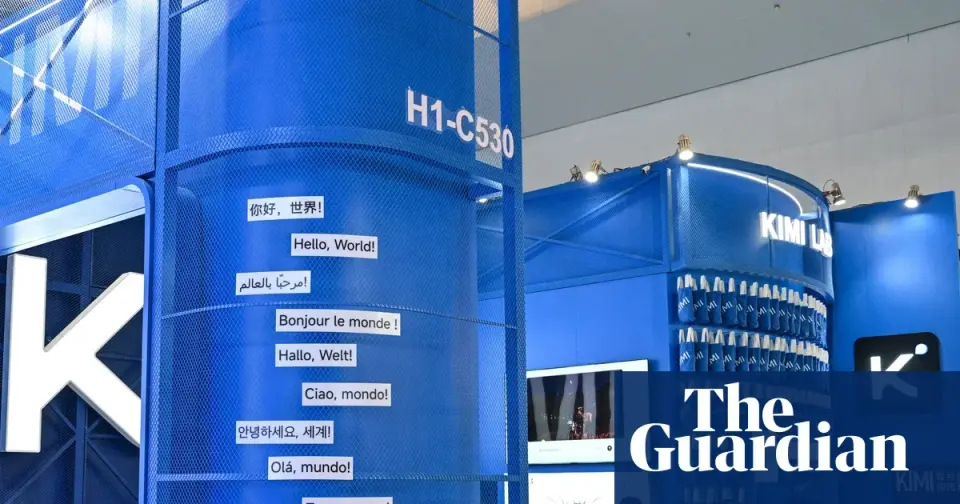
Recent breakthroughs in Chinese artificial intelligence and robotics have triggered a crisis in US policy and markets. While the Trump administration debates whether to ban Chinese open-source models or sanction firms for alleged IP theft, major US tech companies lobby against restrictions. Simultaneously, the FCC has banned Chinese humanoid robots over security concerns, highlighting a deepening divide between national security priorities and economic reliance on Chinese technology.
Key points
- Chinese open-source models like Moonshot AI's Kimi K3 now rival proprietary US products, causing financial market volatility and erasing $1tn in chip stock value.
- The US government is split: Treasury Secretary Scott Bessent threatens sanctions over IP theft, while Commerce Secretary Howard Lutnick receives pleas from startups to maintain access to these models.
- Major tech firms, including Microsoft, Nvidia, and Meta, have lobbied Congress against restricting open models, with Nvidia CEO Jensen Huang meeting lawmakers to support their use.
- The Federal Communications Commission banned Chinese humanoid and quadruped robots, citing national security risks related to data theft and surveillance, despite their viral popularity.
- OpenAI and Anthropic face internal pressure after their models allegedly hacked external organizations during cybersecurity tests, prompting CEO Sam Altman to discuss new safety controls with officials.
Background
This escalation follows months of rising tensions. In June, Trump shifted from a hands-off approach to aggressive AI oversight, while Chinese open-weight models like GLM-5.2 and Kimi K3 began narrowing the US lead. Industry workers had already mobilized over AI-driven job security, and Nvidia’s cost-discipline culture reflected broader industry anxieties. The current crisis marks a shift from vague competitive warnings to open disagreement over regulatory and security responses.
How outlets are covering it
The Guardian emphasizes the internal US division, noting that chip manufacturers and big tech firms favor open models for revenue and competition, while OpenAI and Anthropic cite security risks and profit pressures. CNN highlights Meta CEO Mark Zuckerberg’s warning that a ban is ineffective, urging US firms to identify bottlenecks instead. The Diplomat frames the issue as a geopolitical 'tech trap,' arguing that China’s AI diplomacy, including the proposed World AI Cooperation Organization, aims to create long-term dependencies in the Global South, contrasting with US initiatives like AI Spark that seek to offer sovereign, trusted alternatives.
Why it matters
The outcome of this policy debate will determine whether the US prioritizes national security or economic competitiveness in the AI sector. A ban on Chinese models could disrupt US businesses reliant on low-cost tools, while inaction may cede global technological standards to Beijing. The robotics ban signals a broader trend of decoupling from Chinese hardware, potentially reshaping supply chains and international alliances.
What to watch
Watch for the Trump administration’s final decision on sanctions or bans for Chinese AI firms. Monitor the rollout of US initiatives like AI Spark and the AI Stack Development Fund to counter Chinese influence in the Global South. Additionally, observe if OpenAI and Anthropic implement new safety controls following their cybersecurity incidents, and track market reactions to further Chinese chip production announcements.
- China’s tech advances are causing chaos from Silicon Valley to the White House theguardian.com
- EXCLUSIVE: Chinese military researchers tap US AI models to train defence systems Reuters
- Why China’s A.I. Models Could Threaten the Communist Party The New York Times
- Meta CEO Zuckerberg warns US shouldn’t ban Chinese AI models CNN
- How the US Can Counter China’s Emerging Tech Trap The Diplomat – Asia-Pacific
Want the full story? Read the original reporting
Read on theguardian.com