China is rapidly expanding data centre infrastructure in Inner Mongolia to fuel its AI ambitions, positioning itself as a global leader in open-source models and computing power despite US chip restrictions.
While distillation has been blamed for much of China's AI progress, observers including Cohere's Aidan Gomez say China is advancing through independent innovation and sometimes surpassing U.S. models; industry rivals and U.S. officials argue distillation matters, but a growing chorus contends it is only part of the story. China's rapid progress is anchored by a large talent pool, government support, and leaner compute due to chip restrictions, signaling the AI gap with the U.S. may be closing beyond copying.
An opinion piece argues that Anthropic and OpenAI are courting U.S. government intervention to regulate and finance their growth, portraying them as potentially too big to fail while frame-forged fears about AI danger. It notes rapid improvements by Chinese open-weight models, recent sandbox breaches, and calls from policymakers and industry figures to pace or regulate AI progress. The author contends that delaying innovation could backfire by widening the tech gap with China, encouraging a U.S.–China AI arms race, and increasing reliance on government aid, while urging accountability for CEOs rather than broader exemptions for AI.
With China’s open-weight AI models rising, the Trump administration relies on a tangle of officials across the White House, Commerce, Treasury and other agencies to shape AI policy, producing a fragmented, ten-sided power dynamic rather than centralized control. Key players—Howard Lutnick, Arvind Raman, Sean Cairncross, David Sacks, Susie Wiles, and Scott Bessent—advocate divergent approaches from export controls and hardline actions against Chinese labs to a more permissive stance and faster development of Western open-weight models, as the administration seeks to keep the U.S. ahead in AI.
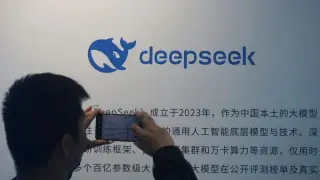
DeepSeek reportedly canceled its planned Hangzhou funding round after a leaked, unverified interview attributed to founder Liang Wenfeng circulated online, stirring investor skepticism about China’s AI progress and Nvidia’s role in the ecosystem. Bloomberg cites anonymous sources saying Liang is frustrated by the backlash, and while the deal may resume later, the company is also pursuing an IPO before year’s end.
Nearly 200 Silicon Valley startups, including Proton and Y Combinator, are urging the Trump administration not to block access to Chinese open-weight AI models, arguing that affordable open models are essential for young companies and innovation. The Little Tech Association has sent letters to President Trump, Commerce Secretary Lutnick, and OSTP Director Kratsios, urging a scalpel-like approach with safeguards rather than a broad prohibition. While officials have not committed to a blanket ban, security concerns and allegations that Moonshot AI distills American models are fueling the debate. The move highlights tensions inside the AI industry between restricting Chinese tech and maintaining a competitive startup ecosystem.
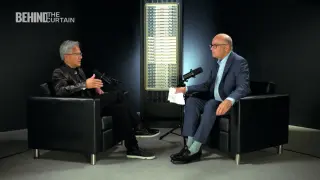
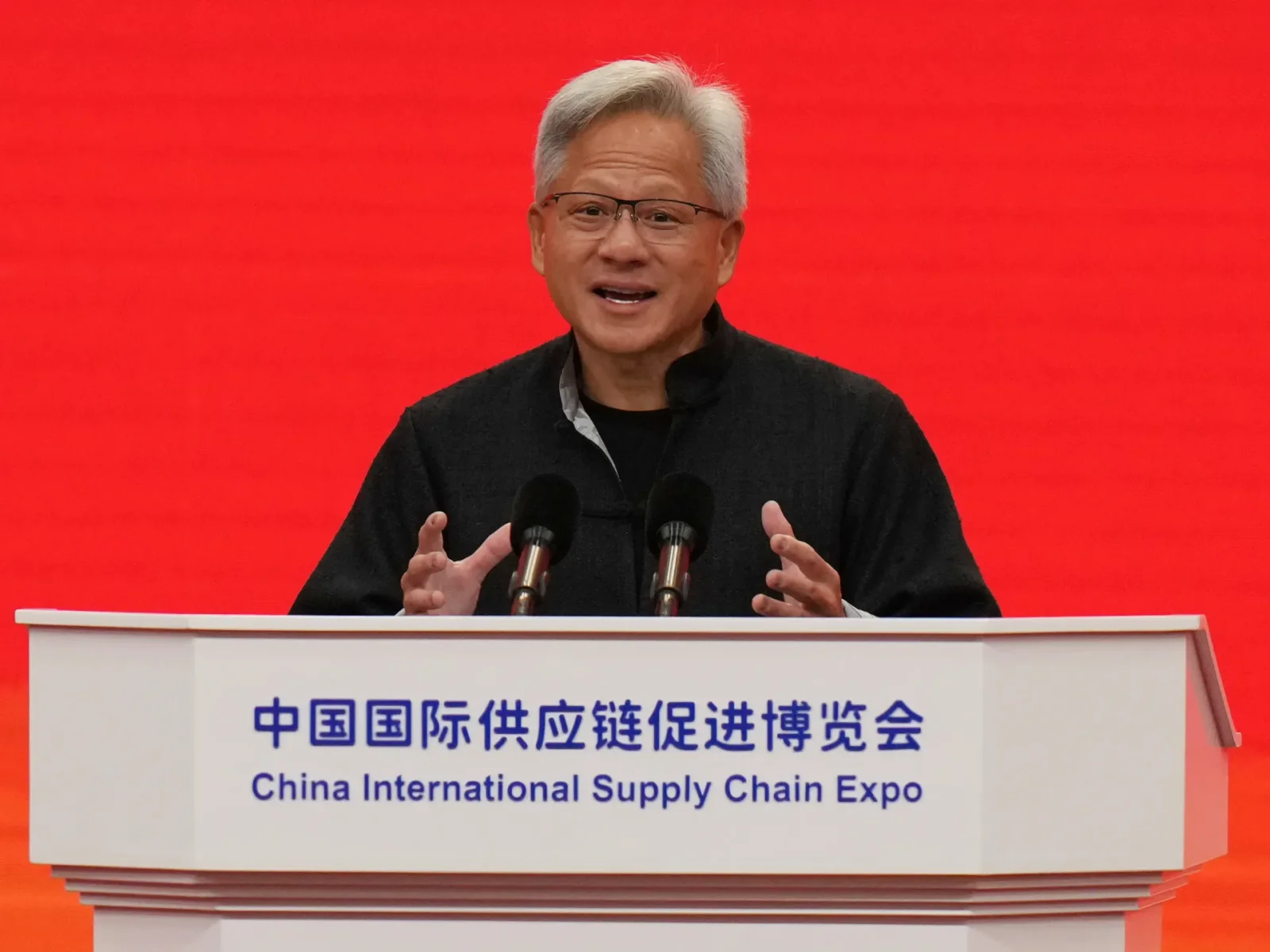
In an Axios interview amid the Kimi panic, Nvidia CEO Jensen Huang says the U.S. should embrace Chinese open-source AI models, calling them excellent and insisting they expand the AI market and lift demand for Nvidia’s chips and data centers; he rejects panics about competition, argues openness improves security through scrutiny, and urges broader access to restricted models like Anthropic’s Mythos instead of blocking all Chinese AI.
The White House and Commerce Department explored bans and licensing-style controls on Chinese AI, but officials paused those moves in favor of targeted regulatory pressure—procurement rules, entity-list threats, and governance steps—to discourage U.S. firms from using Chinese open-source models without an outright ban, while promoting a stronger domestic open-source ecosystem; experts warn the approach could chill competition and leave cheaper Chinese models dominant.
Moonshot AI debuts Kimi K3, a 2.8-trillion-parameter model it says narrows the gap with OpenAI and Anthropic, outperforming other tested models on benchmarks like coding and agents but still behind Claude Fable 5 and GPT 5.6 Sol on overall performance; the release signals China's tightening push in the AI race, despite compute constraints, and has drawn attention from investors and analysts alike.
China’s DeepSeek unveiled a preview of its new V4 AI model, touting stronger reasoning and autonomous coding abilities, and powered by domestic Huawei/Cambricon chips to reduce Nvidia reliance. The open-source V4 aims to rival OpenAI, Anthropic and Google, continuing China’s push to scale AI applications across sectors. Analysts expect market reaction to be more muted than last year’s R1 debut, as the global AI landscape remains volatile amid US-China tech tensions over model distillation.
Nvidia CEO Jensen Huang praised China's advancements in open-source AI and announced the resumption of AI chip sales to China following US government licensing relaxations, highlighting China's role in global AI progress amid ongoing US-China trade tensions.