
U.S. Chip Boom Faces 157,000-Worker Shortage as Fabs Race to Staff
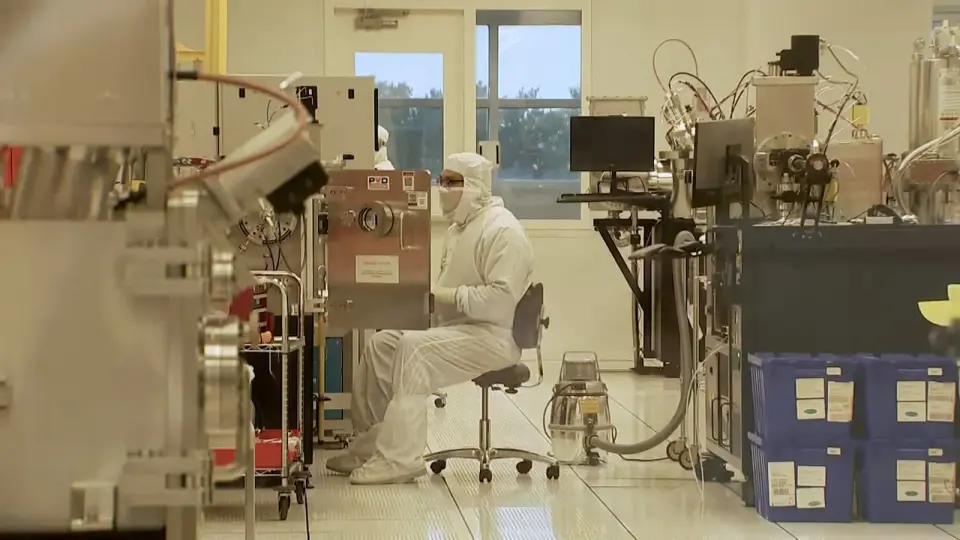
The U.S. semiconductor industry faces a projected shortage of up to 157,000 workers by 2030, threatening the rapid expansion of chip manufacturing needed to power AI. While new fabrication plants in Texas, Arizona, and Idaho are coming online, companies like Samsung and Micron struggle to fill engineering and technician roles. Industry leaders are turning to domestic university partnerships and temporary imports of skilled labor from Asia to bridge the gap, though wage disparities with South Korea remain a significant hurdle.
Key points
- McKinsey and the SEMI Foundation report a potential deficit of 157,000 semiconductor workers in the U.S. by 2030.
- Only 3% of U.S. engineering graduates enter the chip industry, with 73% of employers reporting difficulty filling roles.
- Samsung’s new Texas fabs, part of a $35 billion investment, aim to create 3,500 jobs but face hiring challenges.
- Micron is building its first advanced memory fab in Boise, Idaho, while SK Hynix opens a packaging plant in Indiana.
- U.S. salaries for chip workers range from $127,000 to $187,000, lagging behind South Korean bonuses that can exceed $500,000.
Background
This labor crisis emerges against a backdrop of massive capital investment in U.S. chip infrastructure. Recent archive coverage highlights Micron’s significant financial commitments in Taiwan and the broader volatility in AI-related stocks following safety concerns. While previous reports focused on Micron’s global bonus structures and market fluctuations, the current issue centers on the physical inability to staff new domestic facilities despite these financial resources.
How outlets are covering it
CNBC and The Times of India emphasize the urgency of the talent pipeline, highlighting that Samsung and Micron are temporarily importing workers from South Korea to launch U.S. fabs, mirroring TSMC’s strategy in 2021. They note that while U.S. salaries are competitive, they lag behind the massive bonuses seen in Asia. Honeywell offers a different operational perspective, arguing that the workforce shortage necessitates a shift toward automated, intelligent safety systems. Honeywell suggests that 'doing more with less' through predictive maintenance and remote monitoring is critical as skilled labor becomes a constrained resource, rather than relying solely on hiring more people.
Why it matters
The shortage of skilled workers could delay the U.S. from achieving semiconductor self-sufficiency, potentially impacting the supply chain for AI hardware. If the domestic pipeline fails to mature, companies may remain dependent on Asian talent and manufacturing, undermining the strategic goals of the CHIPS Act and national security objectives.
What to watch
Universities like Purdue and Arizona State are expanding semiconductor programs, with TSMC and Intel offering guaranteed interviews and scholarships. SK Hynix is in talks with Intel to potentially lease Ohio facilities for memory production. Industry leaders expect the workforce gap to remain a strategic concern for years, driving further investment in automation and education.
- Labor crisis in U.S. chip manufacturing leaves Samsung, TSMC desperate for talent CNBC
- Talent shortage emerges as tech's biggest bottleneck in AI expansion boom Nikkei Asia
- U.S. semiconductor industry faces shortage of 157,000 workers by 2030 qz.com
- As software engineering jobs go down, Universities across America are preparing engineers for roles in ... The Times of India
- What semiconductor labor shortages mean for the future of gas detection Honeywell
Want the full story? Read the original reporting
Read on CNBC