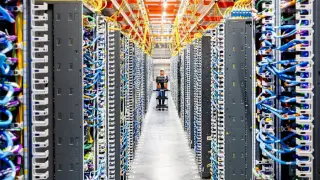
The surge in AI data center construction is driving unprecedented demand for skilled trades workers, with 1.7 million annual openings projected through 2035. Tech giants are offering accelerated, paid training programs to bypass traditional apprenticeships, while wages for roles like boilermakers and fiber technicians now rival or exceed college graduate starting salaries.
Despite a low 4.2% unemployment rate, the US job market has become increasingly unforgiving, with average unemployment durations exceeding five months. High interest rates and AI-driven hiring bottlenecks have slowed recruitment, forcing many workers into prolonged financial distress. Personal accounts reveal severe consequences, including depleted savings, delayed medical care, and psychological trauma, as traditional support systems fail to bridge the gap between layoffs and new employment.
Japan’s government announced new permanent residency guidelines on October 1, 2026, significantly raising income requirements for foreign applicants. The new rules mandate that applicants earn above the national average income for Japanese citizens, a threshold of approximately 4.5 million yen for individuals or 5.8 million yen for households. This represents a 50% increase from the previous baseline of 3 million yen. Crucially, the government stated that these higher income standards apply retroactively to applications filed as early as April 2026. Additionally, from April 2027, foreign spouses of Japanese citizens will need to have lived in Japan for three years and been married for five years, up from one and three years respectively. Non-spouse applicants must still reside in Japan for 10 years, but will face new pension benefit requirements equivalent to 30 years of contributions. These measures coincide with a 20-fold increase in residency fees and stricter language requirements, reflecting a broader crackdown on immigration despite ongoing labor shortages.
Japan has implemented a 20-fold increase in permanent residency fees, raising the cost to 200,000 yen ($1,270), alongside stricter income, pension, and language requirements. These measures, part of Prime Minister Sanae Takaichi’s broader immigration crackdown, aim to address public anxiety over a rapidly growing foreign population, even as the country faces severe labor shortages.
The U.S. semiconductor industry faces a projected shortage of up to 157,000 workers by 2030, threatening the rapid expansion of chip manufacturing needed to power AI. While new fabrication plants in Texas, Arizona, and Idaho are coming online, companies like Samsung and Micron struggle to fill engineering and technician roles. Industry leaders are turning to domestic university partnerships and temporary imports of skilled labor from Asia to bridge the gap, though wage disparities with South Korea remain a significant hurdle.
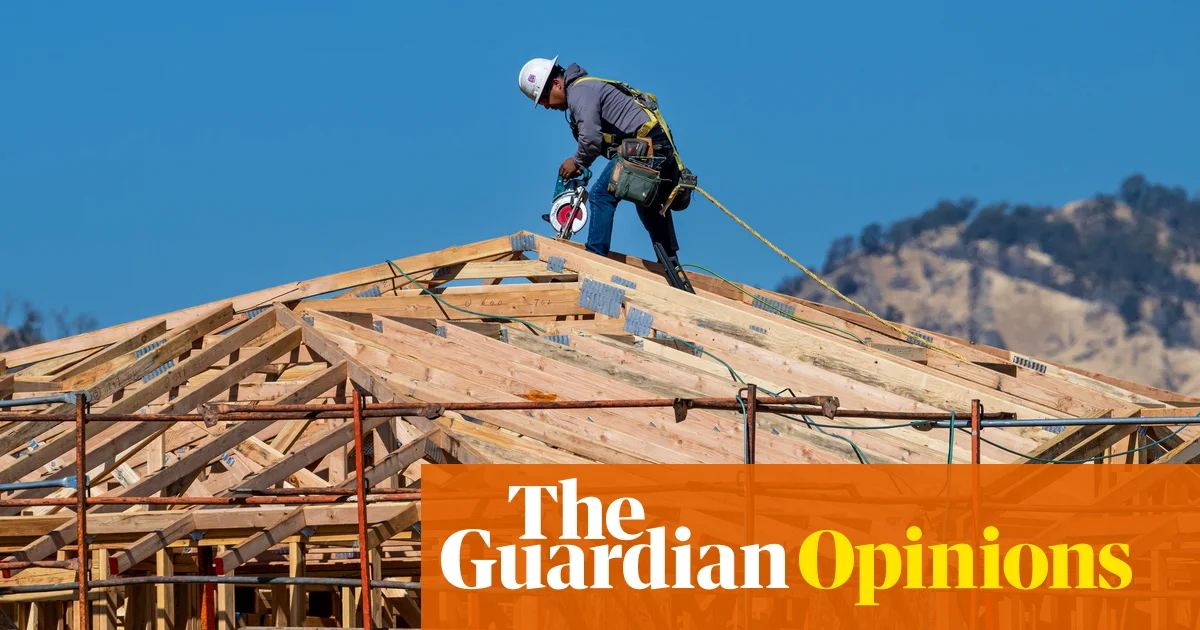
The U.S. housing crisis is being addressed through targeted automation rather than humanoid robots. While the nation faces a 1.2 million home deficit and a 300,000 worker shortage, the most effective gains are coming from robotic layout systems and factory-based prefabrication. These technologies reduce errors and speed up repetitive tasks, though they do not yet replace skilled tradespeople.
The rapid expansion of AI data centers and chip facilities is driving a surge in demand for blue-collar workers, creating a significant labor shortage. While construction spending is projected to reach $2.85 trillion by 2031, a talent gap of 1.3 million workers persists due to retirements and insufficient training pipelines. Industry leaders argue that the bottleneck is not just a lack of workers, but an inability to access existing skilled labor, prompting new technology solutions to match workers with high-paying infrastructure projects.
Fortune reports that Jamie Dimon highlighted shipyard roles as a six-figure path without a degree, but the jobs come with long shifts and extreme weather, fueling ongoing labor shortages even as new investment and training programs expand maritime careers.
AI’s data-centre expansion is turning labor into the bottleneck, with a current trades shortfall around 350,000 expected to exceed 1 million by 2030, driving big tech to fund training programs and offer incentives as they invest hundreds of billions in infrastructure.
Russia faces an unprecedented labor shortage after FinExpertiza data show the labor reserve shrinking by about 2.5 million since the 2022 invasion, a figure Bank of Russia chair Elvira Nabiullina publicly confirmed. The shrinking pool is driving wage pressures while industry cuts and lower production persist, as emigration and demographic decline deepen the squeeze. In response, the state is leaning on automation, retraining, and the gig/self‑employment push, but analysts warn that without sustained productivity growth of around 3–4% annually the gap will widen.
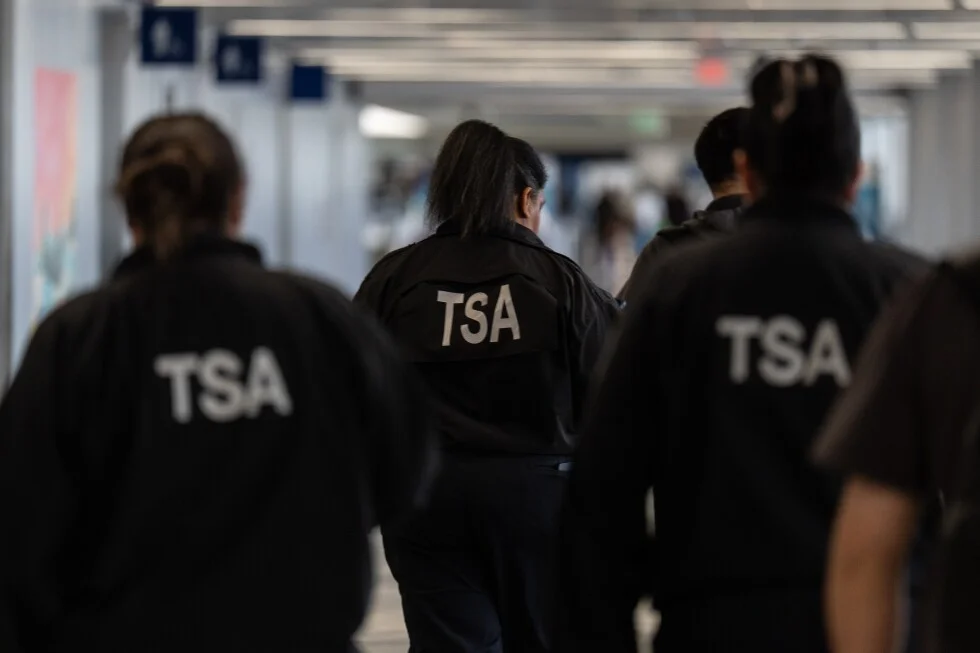
A pay raise for TSA workers may improve retention, but it won’t immediately solve long security lines or broader airport delays caused by staffing shortages and aging infrastructure.
The construction industry faces a significant labor shortage due to aging workers and declining interest from young people, but AI may shift the job landscape by eliminating entry-level and white-collar jobs, encouraging more youth to pursue trades, which are seeing increased enrollment and could benefit from future industry growth.
Japan plans to accept up to 1.23 million foreign workers by 2028, primarily through the Specified Skilled Worker System and a new Employment for Skill Development Program, replacing the problematic Technical Intern Training Program, to address domestic labor shortages across various sectors.
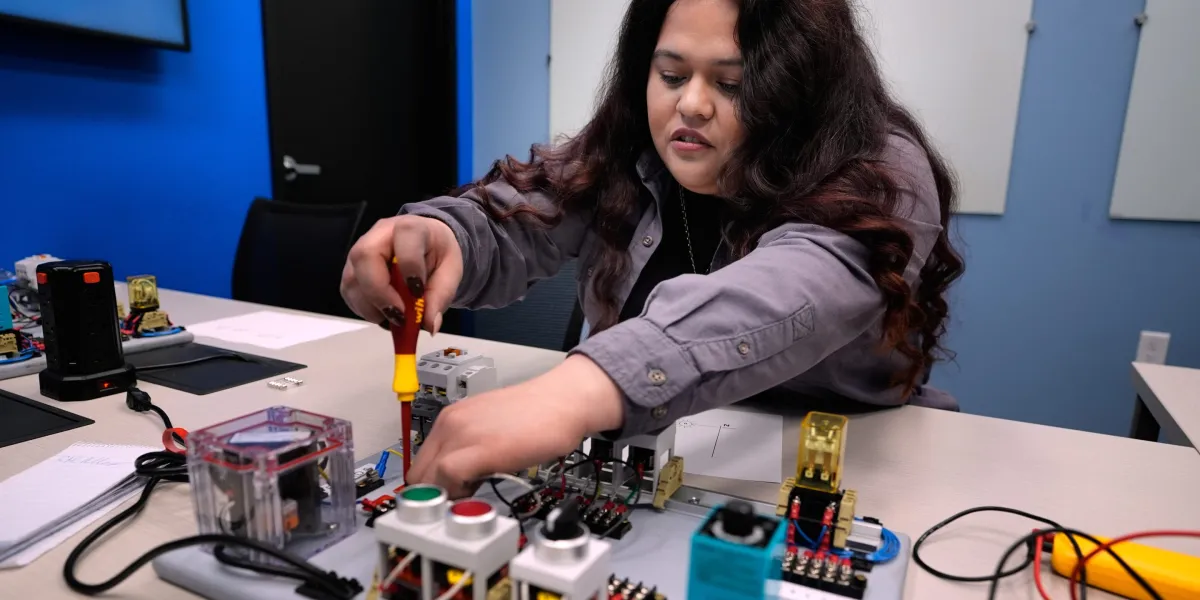
Walmart has revamped its training program to address the growing shortage of skilled tradespeople, enabling employees like Liz Cardenas to significantly increase their pay and responsibilities, which highlights the broader industry challenge of labor shortages in trades due to retirements and immigration issues. The initiative aims to attract more workers into technical roles, crucial for maintaining operations and reducing costly downtimes, with plans to train 4,000 workers by 2030.
Walmart is actively addressing the US skilled trades labor shortage by revamping its training programs to develop maintenance technicians, aiming to fill critical roles in its distribution centers and stores, amidst a broader industry challenge of declining skilled workers and increasing operational costs.