
Class Action Alleges Oura Rings Mislead Consumers on Sleep Accuracy
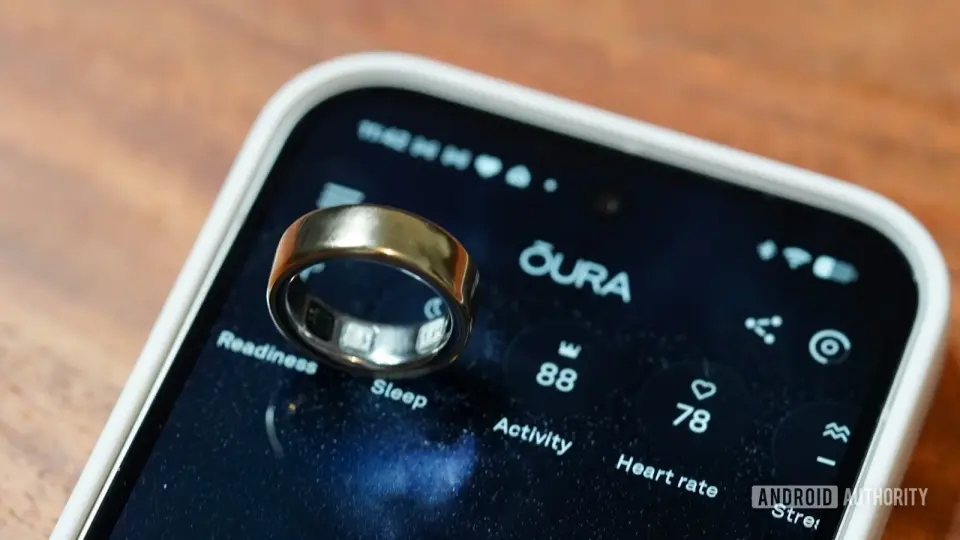
A California class action lawsuit alleges that Oura Ring sleep tracking is inaccurate, claiming the device uses AI estimates rather than clinical-grade sensors. The suit cites a study showing 53.18% accuracy versus Oura's advertised 95%, seeking to halt marketing claims and secure restitution for buyers.
Key points
- A proposed class action filed in California accuses Oura of misleading consumers about the accuracy of its sleep-stage tracking.
- The complaint claims Oura rings use AI models to estimate sleep based on finger signals, lacking the brain activity sensors used in clinical labs.
- Plaintiffs cite a 2025 study finding 53.18% accuracy, contrasting this with Oura's advertised 95% sleep-staging accuracy.
- The lawsuit seeks to stop alleged false advertising and recover money for customers who purchased the rings based on these claims.
- Oura disputes the allegations, stating its methodology is validated by peer-reviewed studies and multiple physiological signals.
Background
This legal challenge follows earlier scrutiny of wearable health devices and a separate ongoing class action regarding data privacy. Oura recently launched the Ring 5, which features improved design and battery life but requires a subscription for full features. The company operates in a nearly $7 billion sleep-tracking market, competing with other wearables like Apple Watch and WHOOP.
How outlets are covering it
Android Authority and CNET emphasize the gap between Oura's marketing claims and the technical limitations of finger-based sensors, highlighting the use of AI estimates. USA Today provides additional context on the market size and the specific plaintiff, Madison Surber, who paid $513.68 for a ring. While all outlets report the 53.18% accuracy figure from a 2025 study, Oura's response, reported by USA Today, defends its methodology by citing peer-reviewed evidence and physiological signals, contrasting with the plaintiffs' 'coin flip' analogy.
Why it matters
The lawsuit raises significant questions about the reliability of consumer health wearables and the extent to which marketing claims align with actual device capabilities. If successful, it could impact consumer trust in sleep-tracking technology and lead to stricter regulations on health device advertising.
What to watch
The case will proceed in U.S. District Court in California, with the plaintiffs seeking class action status and a jury trial. Oura intends to defend against the allegations, potentially leading to a settlement or trial that could set precedents for wearable health device marketing.
- Oura’s sleep tracking is under fire in a proposed class action lawsuit Android Authority
- Oura ring doesn't accurately measure sleep quality, lawsuit says USA Today
- Class-action lawsuit accuses Oura of overstating smart ring's sleep-tracking accuracy 10TV
- Oura Ring Is Heading Toward an IPO. Now a Lawsuit Targets One of Its Biggest Selling Points inc.com
- Oura Faces Lawsuit Over Alleged Inaccurate AI Sleep Tracking CNET
Want the full story? Read the original reporting
Read on Android Authority