
CoreWeave Credit Crisis Sparks AI Sector Sell-Off as Huang Defends Optimism
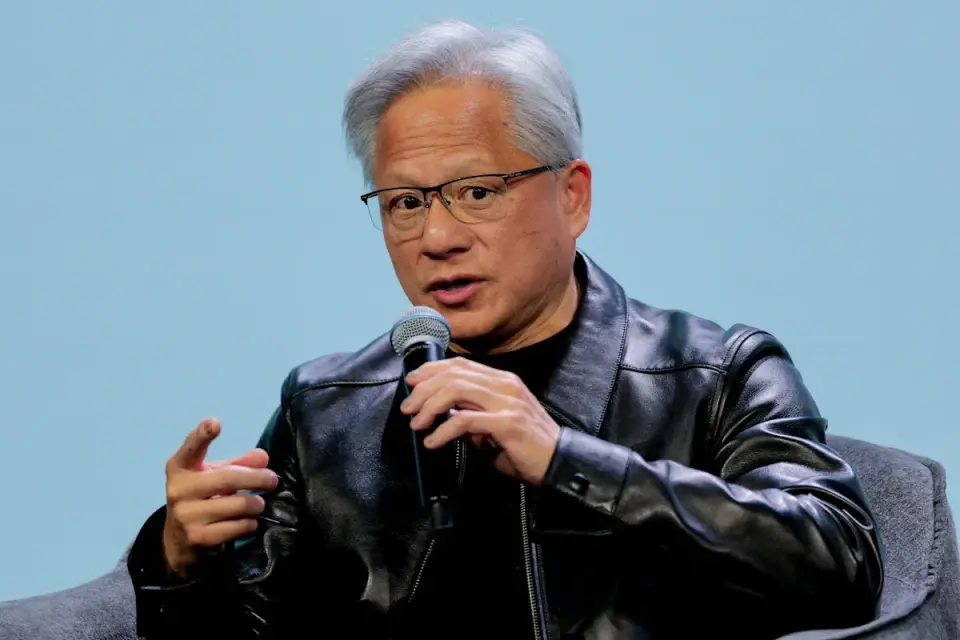
CoreWeave faces severe credit distress with bond yields exceeding 15% and credit default swap spreads hitting 1,088 basis points, triggering a broader sell-off in AI infrastructure stocks. While CEO Mike Intrator defends the company's $100 billion backlog, Nvidia CEO Jensen Huang remains optimistic about the AI sector's long-term potential despite current volatility.
Key points
- CoreWeave's 2031 bond yield reached 15.78%, and its five-year credit default swap spread jumped 177% year-over-year to 1,088 basis points, signaling credit distress.
- The company has accumulated over $51 billion in debt to finance its AI infrastructure buildout, raising concerns about its ability to service obligations without immediate operating cash flow.
- CoreWeave's stock fell 15.5% on Wednesday, with similar declines seen in peers Nebius and Iren, while chipmakers Micron and AMD also dropped due to broader AI overspending fears.
- CoreWeave CEO Mike Intrator dismissed the market reaction as irrational, citing a backlog exceeding $100 billion, two-thirds of which is backed by investment-grade clients like Microsoft and Meta.
- Nvidia CEO Jensen Huang expressed optimism about the AI sector, contrasting with the current market panic, while analysts warn the credit stress could trigger a self-fulfilling prophecy of broader defaults.
Background
This crisis follows a period of heightened scrutiny on AI infrastructure spending. In late September 2026, Nvidia CEO Jensen Huang had previously emphasized the sector's multi-trillion-dollar potential while warning about safety liabilities and energy costs. The current market turmoil reflects a shift from growth optimism to concern over the financial sustainability of 'neocloud' companies that rely heavily on debt to build data centers before generating sufficient revenue.
How outlets are covering it
CNBC highlights the technical indicators of distress, noting that CoreWeave's credit default swap spreads have entered a zone generally viewed as distressed, with the market 'basically saying no' to AI debt without operating cash flow support. The New York Times frames the event as a 'neocloud wipeout,' emphasizing the broader impact on the AI industry and the anxiety surrounding the health of infrastructure companies. In contrast, CoreWeave's leadership and supportive analysts like Deutsche Bank view the drop as a buying opportunity, pointing to the strength of the company's contract backlog. Nvidia's Jensen Huang offers a counter-narrative of optimism, suggesting the market is overreacting to short-term volatility despite the long-term promise of AI.
Why it matters
The financial instability of CoreWeave serves as a bellwether for the entire AI infrastructure sector. If companies cannot secure cash flow to service massive debt loads, it could trigger a domino effect, pressuring other heavily indebted firms like Oracle and potentially slowing the pace of data center construction. This could impact the supply chain for chipmakers and cloud providers, potentially altering the trajectory of AI development in the near term.
What to watch
Investors will monitor CoreWeave's ability to convert its backlog into cash flow and whether the credit stress spreads to other AI-related names. The outcome of this crisis may influence future capital allocation in the AI sector, potentially leading to a more cautious approach to debt-funded infrastructure expansion. Additionally, the performance of chipmakers like Micron and AMD will be watched for signs of contagion from the neocloud sector.
- Nvidia CEO Jensen Huang addresses CoreWeave stock plunge: 'I'm optimistic' Yahoo Finance
- CoreWeave credit default swaps hit distress levels as investors sour on AI debt CNBC
- Why CoreWeave stock panic matters to Nvidia, explained in under 30 seconds Yahoo Finance
- The Fallout From the ‘Neocloud’ Wipeout The New York Times
- CoreWeave's slump spotlights growing burden of debt behind AI boom Reuters
Want the full story? Read the original reporting
Read on Yahoo Finance