
FCC's robot vacuum ban triggers Chinese retaliation threats and market shakeups
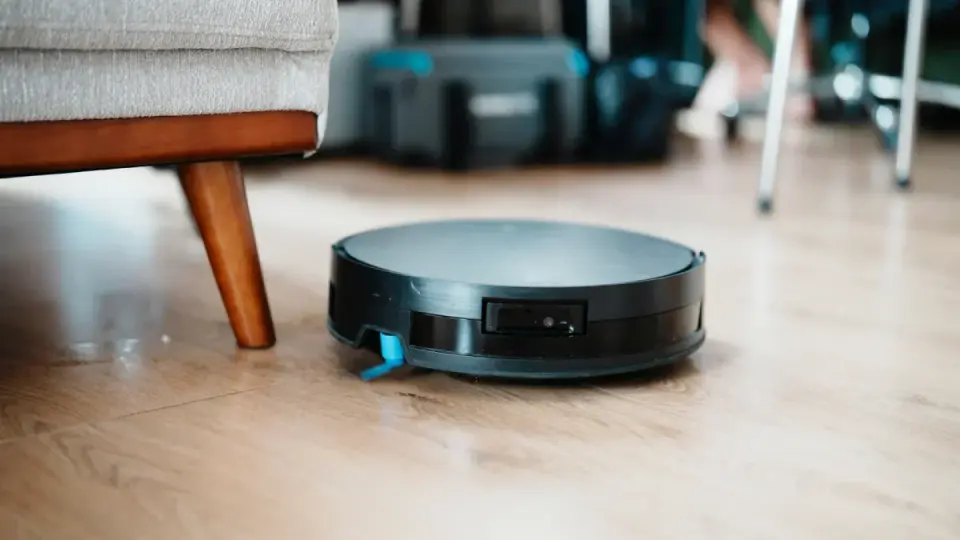
The US Federal Communications Commission (FCC) has added foreign-made 'advanced robotic devices' to its Covered List, effectively banning new imports of robot vacuums, humanoids, and quadrupeds. The move, justified by national security concerns over cybersecurity vulnerabilities, blocks brands like Roborock, Ecovacs, and Samsung from selling new models in the US. While existing devices remain usable, China has threatened retaliation, and the ban significantly impacts a market dominated by Chinese manufacturers.
Key points
- The FCC added 'advanced robotic devices' to its Covered List, prohibiting new imports of foreign-made robots, including vacuums, humanoids, and quadrupeds.
- The ban targets devices over 4.4 lbs with autonomous navigation, environmental sensing, and wireless connectivity, citing 'unacceptable risks' to national security.
- Existing robot vacuums and previously authorized models can still be used and sold, but new models from brands like Roborock, Ecovacs, and Dreame are blocked.
- China's commerce ministry threatened retaliation, calling the move a 'severe damage' to US-China trade stability and urging the US to withdraw the decision.
- The ban impacts a market where the top five manufacturers are Chinese, holding nearly 70% of global robot vacuum market share as of 2025.
Background
The FCC has been expanding its restrictions on foreign-made technology, including routers and drones, citing national security risks. Earlier in 2026, the agency extended bans to robot vacuums and lawn mowers, requiring US manufacturing for waivers. The current move aligns with broader US efforts to secure supply chains and reduce reliance on Chinese technology, amid escalating tensions over AI and robotics.
How outlets are covering it
Mashable and BBC emphasize the security rationale, highlighting vulnerabilities like a DJI robot vacuum hack that exposed data from thousands of devices. CNBC focuses on the geopolitical fallout, noting China's threats of retaliation and potential impacts on rare earth exports and US tech firms. CNN underscores the market dominance of Chinese companies, with Agibot, Unitree, and UBTech leading in humanoid robots, and notes the ban's impact on their IPO plans. All sources agree on the ban's scope but differ in emphasis: security vs. trade vs. market dynamics.
Why it matters
The ban reshapes the US robot vacuum and robotics market, limiting consumer choices and potentially raising prices. It escalates US-China tech tensions, risking retaliatory measures that could affect rare earth supplies and US tech firms. For consumers, existing devices remain usable, but future options are constrained, pushing demand toward US-made or non-Chinese alternatives.
What to watch
China may implement retaliatory measures, such as restricting rare earth exports or limiting US tech access. The FCC may grant exemptions to specific companies after national security assessments, but none are listed yet. US consumers will face fewer new robot vacuum options, while Chinese firms may shift production to the US or seek waivers. The ban's long-term impact on global robotics supply chains remains to be seen.
- The FCC bans all robot vacuums made outside the U.S. Mashable
- China threatens retaliation against U.S. humanoid robot ban, says it 'severely damages' relations CNBC
- China is threatening retaliation over the U.S. ban on foreign humanoid robots qz.com
- China’s humanoid robots have been taking over the global market. Now the US is banning them CNN
- Trump administration bans new Chinese humanoid robots BBC
Want the full story? Read the original reporting
Read on Mashable