
FCC Confirms Ban on Foreign Robot Vacuums and Lawn Mowers
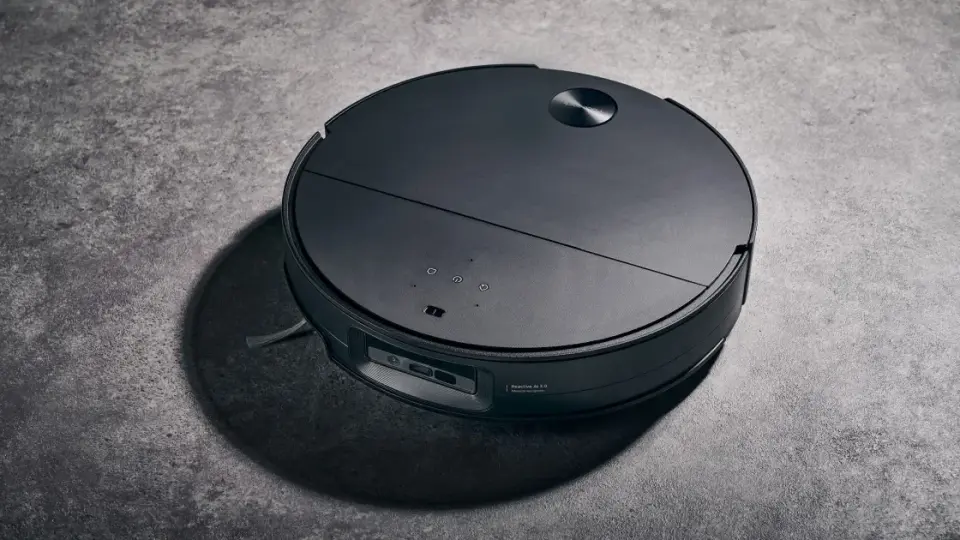
The FCC has confirmed that its ban on foreign-made advanced robotic devices includes consumer robot vacuums and lawn mowers. The rule targets new models weighing over 4.4 pounds with navigation and wireless capabilities, primarily impacting Chinese manufacturers like Roborock and Ecovacs. Existing devices remain legal to use and sell, but new imports face strict restrictions unless exemptions are granted by the Defense or Homeland Security departments.
Key points
- The FCC defines 'advanced robotic devices' to include any mechanical mobile device capable of locomotion, obstacle avoidance, or navigation, which covers robot vacuums and lawn mowers.
- The ban applies to new models only; existing devices that have already received FCC authorization can continue to be sold, imported, and used by consumers.
- Chinese companies Roborock, Ecovacs, and Dreame dominate the global robot vacuum market and are the primary targets of this restriction.
- Exemptions from the ban require approval from the Department of Defense or the Department of Homeland Security, a process that has not yet resulted in major waivers for Chinese vendors.
- The White House cites national security concerns, including supply chain reliance and potential espionage through device sensors, as the justification for the ban.
Background
This development follows a broader trend of US restrictions on foreign technology. In late 2025 and early 2026, the FCC implemented bans on foreign-made drones and Wi-Fi routers, citing similar national security risks. Recent archive coverage noted that the US government had already banned new foreign humanoid robots and power inverters, with China accounting for roughly 90% of global humanoid robot shipments. The current expansion to consumer robotics marks a significant widening of these trade and security measures.
How outlets are covering it
PCMag emphasizes the direct impact on the consumer smart home market, noting that the FCC's definition of 'advanced robotic devices' explicitly captures common household appliances like vacuums and mowers due to their weight and sensor capabilities. CNN frames the story within the context of China's dominance in the global humanoid robot market, highlighting the geopolitical tension and the US government's effort to reduce reliance on Chinese technology. While PCMag focuses on the specific technical criteria (weight, sensors, connectivity) that trigger the ban, CNN underscores the broader strategic goal of reshaping the global robotics supply chain away from Chinese manufacturers.
Why it matters
This ban significantly alters the competitive landscape for consumer robotics in the US. By restricting new imports from dominant Chinese brands, the policy may lead to higher prices and reduced innovation in the US market for robot vacuums and mowers. It also signals a more aggressive US stance on 'smart' consumer electronics, potentially affecting other connected devices in the future. For consumers, while existing devices are safe, the long-term availability of new models from leading global brands is now uncertain.
What to watch
Manufacturers may seek exemptions through the Defense or Homeland Security departments, though no major Chinese vendor has received one yet. The FCC may extend the software update grace period beyond January 1, 2029, for existing devices. Companies may also shift production to the US to comply with the ban, potentially reshaping the global manufacturing map for consumer robotics.
- FCC: Ban on Foreign-Made Robots Includes Robot Vacuums PCMag
- China’s humanoid robots have been taking over the global market. Now the US is banning them CNN
- Trump administration bans new Chinese humanoid robots, to protect US AI buildout Reuters
- US bans foreign-made humanoid robots, targeting China over national security ABC News - Breaking News, Latest News and Videos
- US Risks Broadening China Clash With Robot, Inverter Curbs Bloomberg.com
Want the full story? Read the original reporting
Read on PCMag