
GM Puts Recycled Battery Metals Into Customer EVs
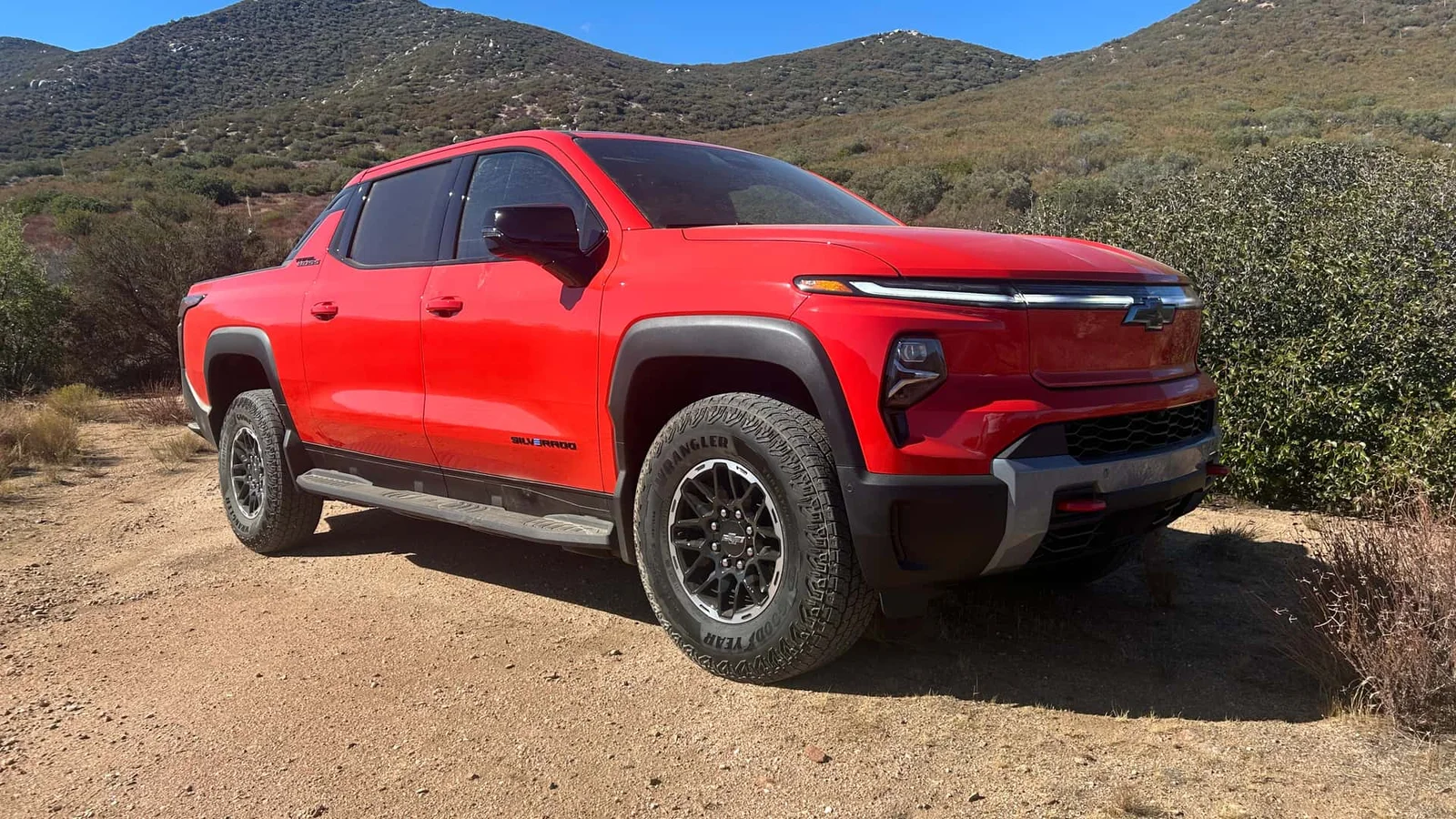
General Motors has begun installing battery cells containing recycled materials into new electric vehicles, marking the first time the automaker has used recovered cathode active material in customer-ready cars. The pilot program, conducted with recycling partner Cirba Solutions, processed 80 end-of-life battery packs to produce 12 metric tons of new cathode material composed of 100% recycled nickel, cobalt, and manganese. These cells, validated to meet the same safety and performance standards as virgin materials, are now powering models including the Cadillac Lyriq, Vistiq, and Escalade IQ, as well as the Chevrolet Silverado EV and GMC Sierra EV. GM states that current recycling technologies can recover up to 95% of nickel, cobalt, and manganese, and 80% of lithium, though the pilot specifically focused on the former three metals. This initiative aims to reduce reliance on new mineral extraction, lower battery costs, and support supply chain resilience. While GM’s cells are already in production vehicles, competitors like Porsche are still testing similar recycled materials and plan to integrate them by 2028. The move represents a significant step toward a closed-loop battery lifecycle, complementing GM’s existing second-life energy storage programs with Redwood Materials.
Key points
- GM installed batteries with 100% recycled nickel, cobalt, and manganese in new EVs.
- The pilot used 80 end-of-life packs to create 12 metric tons of cathode material.
- Recycled cells passed quality and performance tests equivalent to virgin materials.
- Vehicles affected include Cadillac Lyriq, Vistiq, Escalade IQ, and Chevy Silverado EV.
- GM partners with Cirba Solutions for recycling and Redwood Materials for second-life use.
- Porsche is also developing recycled batteries but plans production use by 2028.
Background
This development follows GM’s broader strategy to manage the entire battery lifecycle, including remanufacturing and second-life energy storage. In August 2026, GM sold its stake in the Indiana battery plant to Samsung, signaling shifts in its manufacturing partnerships. Additionally, in September 2026, GM announced plans to replace Apple CarPlay with native Android Automotive in its EVs, reflecting a broader push for integrated, sustainable, and controlled technology ecosystems. The current recycling pilot aligns with these efforts to optimize resource use and reduce environmental impact across the vehicle lifecycle.
How outlets are covering it
InsideEVs and GM’s official newsroom emphasize the success of the closed-loop pilot, highlighting that recycled cells performed identically to virgin ones and are now in customer hands. GM’s statement, via Melissa Flaherty, underscores the importance of partnerships in building a circular economy. In contrast, eletric-vehicles.com provides a more critical analysis, noting that the 100% recycling claim applies only to nickel, cobalt, and manganese, not lithium or the anode. It also points out that the 12 metric tons of cathode is small relative to GM’s overall output and that GM’s US EV sales dropped 40.7% in Q2 2026. Porsche’s newsroom offers a different perspective, stating that while they have produced cells with 100% recycled materials (including lithium), they are still in testing and plan to use them in production by 2028, unlike GM’s immediate deployment. This highlights a gap in the timeline for full commercialization of recycled batteries among major automakers.
Why it matters
This pilot demonstrates that recycled battery materials can meet stringent automotive standards, potentially reducing the environmental and economic costs associated with mining new minerals. It could lower battery prices, making EVs more affordable, and reduce the environmental impact of mining. Furthermore, it enhances supply chain resilience by decreasing dependence on foreign sources of critical minerals. As more EV batteries reach end-of-life, scaling this process could significantly contribute to a circular economy in the automotive industry.
What to watch
GM plans to share more details about its recycling efforts at Climate Week NYC. The company aims to expand the pilot as more batteries reach end-of-life over the next decade. Porsche expects to begin using recycled materials in production batteries by 2028. GM is also working with Redwood Materials to deploy approximately 10,000 second-life batteries for energy storage, including a 1.5-megawatt microgrid in Michigan. The success of these initiatives will depend on scaling recycling capacity and maintaining quality standards as the volume of end-of-life batteries increases.
- Your Next Cadillac Or Chevy EV Could Have A Recycled Battery InsideEVs
- How recycled minerals from GM EV batteries are helping power new ones news.gm.com
- From Porsche to Porsche: Next Milestone in Battery Recycling newsroom.porsche.com
- GM Builds First EVs With Cells Using Recycled Nickel, Cobalt, Manganese eletric-vehicles.com
- Your Next EV From Porsche Might Have A Recycled Battery carscoops.com
Want the full story? Read the original reporting
Read on InsideEVs