
Meta’s Enforcement of Smart Glasses Harassment Rules Remains Uneven Despite Backlash
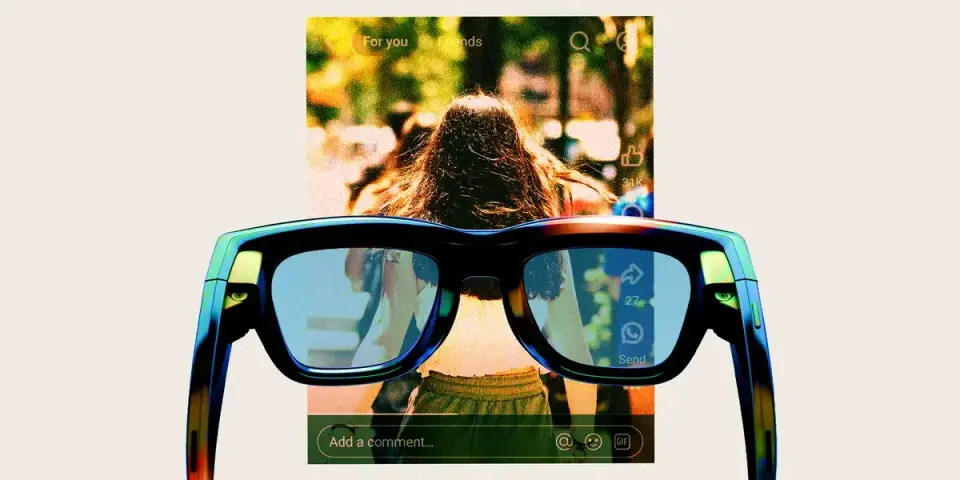
Meta’s attempt to curb harassing content filmed with its AI smart glasses on Instagram has proven inconsistent, with many violating videos remaining online despite official crackdowns. While the company removed some content and blocked specific search terms, researchers and critics argue that the platform’s enforcement is reactive and insufficient, leaving women vulnerable to non-consensual filming. The issue extends beyond social media, raising workplace privacy concerns and highlighting design flaws in the hardware that allow covert recording.
Key points
- Instagram head Adam Mosseri stated in July that Meta would remove 'harassing' pickup line videos filmed with Meta glasses, but enforcement has been uneven, with many videos remaining online weeks later.
- Meta claims thousands of pieces of content have been removed and several large accounts taken down, but some deactivated accounts were reactivated, and new violations continue to appear in user feeds.
- A University of Sydney study found that nearly 60% of covert recording videos analyzed involved harassing behavior, with 43% resulting in derogatory comments toward female subjects.
- Meta blocks search terms like 'rizz' and 'cold approach' and has implemented a feature to disable cameras if the recording LED is tampered with, though critics note the LED is easily missed and can be covered after recording starts.
- Employers are advised to update policies regarding smart glasses due to risks of covert recording of confidential information, while the UK has banned smart glasses in venues like theaters and courtrooms.
Background
In July 2026, Meta announced a crackdown on harassing content filmed with its Ray-Ban AI glasses following public backlash, including comments calling the devices 'pervert glasses.' The company emphasized that its enforcement falls under existing community standards against bullying and harassment. This current situation reflects ongoing challenges in moderating user-generated content that exploits the discreet nature of smart glasses for non-consensual filming.
How outlets are covering it
Business Insider highlights the inconsistency in Meta’s enforcement, noting that while some videos were removed, many remained online and some banned accounts were reactivated. The Irish Times emphasizes the gendered impact of the technology, arguing that women bear the brunt of bad tech decisions and that the design of the glasses facilitates surveillance. ExtremeTech cites academic research showing that a significant portion of covert recordings involve harassment, while People Management focuses on the legal and workplace implications, warning that smart glasses pose a threat to data protection and employee privacy. Meta’s stance, as reported by Business Insider, is that they are fighting the issue 'every way they can,' but critics like Carolina Are argue that the company minimizes its responsibility by blaming user behavior rather than addressing systemic design flaws.
Why it matters
The effectiveness of platform moderation against tech-enabled harassment is crucial for user safety and public trust. Inconsistent enforcement undermines the credibility of social media policies and leaves victims without recourse. Furthermore, the widespread adoption of smart glasses in workplaces and public spaces raises significant legal and ethical questions regarding consent, privacy, and data protection, requiring updated regulations and corporate policies to mitigate risks.
What to watch
Meta is expected to continue refining its AI-driven moderation systems, which executives claim are more effective than human moderators, though long-term results remain uncertain. Employers are likely to revise their policies to address the risks of covert recording, while public backlash may lead to further regulatory actions or bans on smart glasses in sensitive venues. The company faces pressure to improve the visibility of recording indicators and prevent the circumvention of safety features to protect its product reputation and user safety.
- Instagram vowed to crack down on Meta glasses creeps. A month later, it was easy to find dozens of the videos still up. Business Insider
- Women continue to bear the brunt of bad tech decisions The Irish Times
- Meta's 'Pervert Glasses' Are Absolutely Being Used to Stalk Women, Study Reveals extremetech.com
- Are smart glasses a ‘covert’ legal threat for employers? People Management
- Gaze data: Smart glasses open new frontiers for ads and expose new risks for privacy Campaign Asia
Want the full story? Read the original reporting
Read on Business Insider