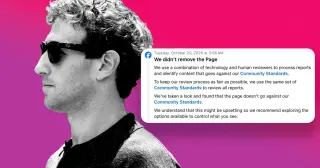
Meta initially refused to remove AI-generated videos depicting coaches sexually abusing young athletes after user reports, but deleted the content only after journalists contacted the company. The platform’s inconsistent response raises concerns about the effectiveness of its moderation tools for everyday users versus media inquiries.
Angel Studios has launched 'The Angel Promise,' a strict content policy banning on-screen sex, nudity, F-words, and the misuse of God's name in original productions. The Utah-based studio, known for 'Sound of Freedom,' requires its approximately 3 million paying Guild members to approve projects with a minimum score of 70 out of 100 before release. Co-founder Jeff Harmon stated the move aims to serve a values-based audience he believes Hollywood has neglected, introducing expanded parental controls and a viewer veto right that he claims is unprecedented for a major studio.
Angel Studios has introduced 'The Angel Promise,' a strict content policy banning on-screen sex, nudity, F-words, and the misuse of God's name in original productions. The studio also requires its approximately 3 million paying Guild members to approve projects with a minimum score of 70 out of 100 before they are released. Co-founder Jeff Harmon stated this move aims to serve a values-based audience that he believes Hollywood has neglected.
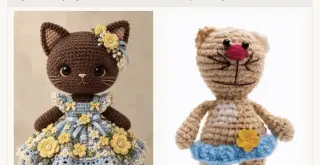
Etsy has introduced stricter policies to combat AI-generated 'slop' by requiring every listing to feature at least one unedited photo of the actual item against a real background. While AI-generated art remains permissible if disclosed, the platform now prohibits AI-generated functional guides, such as recipes and patterns, and bans listings created by bots. Sellers must ensure all images accurately represent the physical product, with refunds required if the received item differs materially from the listing.
Meta’s attempt to curb harassing content filmed with its AI smart glasses on Instagram has proven inconsistent, with many violating videos remaining online despite official crackdowns. While the company removed some content and blocked specific search terms, researchers and critics argue that the platform’s enforcement is reactive and insufficient, leaving women vulnerable to non-consensual filming. The issue extends beyond social media, raising workplace privacy concerns and highlighting design flaws in the hardware that allow covert recording.
Social media platforms are struggling to balance AI-driven efficiency with human oversight, leading to widespread errors and policy shifts. Reddit’s automated systems recently deleted decades of historical content, while Discord and Meta faced backlash over mass bans of innocent users. YouTube has updated its monetization rules to restrict 'inauthentic' AI-generated content, though it does not ban AI entirely. Experts warn that without human judgment, AI moderation exacerbates bias and erodes community trust.
YouTube is updating its policies to age-restrict more video game content depicting graphic violence, especially scenes involving realistic human characters and mass violence, to protect younger viewers. The new rules, effective November 17th, will also limit content related to online gambling involving digital goods. Creators can modify their videos to avoid restrictions by blurring or avoiding certain scenes.
Reddit has banned the posting of Luigi Mangione's manifesto, related to the murder of UnitedHealthcare CEO Brian Thompson, across its platform. Moderators of various subreddits have been instructed to strictly enforce this rule to avoid potential bans or shutdowns. Reddit's content policy prohibits manifestos related to violent acts, although discussions are allowed if they don't glorify or incite violence. Despite these measures, some users report inconsistent enforcement, with some manifesto links still accessible. Reddit emphasizes adherence to both the letter and spirit of its rules to maintain community safety.
Social media platform X, formerly known as Twitter, has formalized a policy allowing consensual adult content, provided it is clearly labeled and restricted from children and users who opt out. This move aligns with the platform's post-Musk strategy to differentiate itself from competitors like Instagram, Facebook, TikTok, and YouTube, which have stricter guidelines on nudity and sexual expression. The policy also prohibits content promoting exploitation, nonconsent, and harm to minors.
Epic Games Store will now permit blockchain games classified as "Adults Only" solely due to their use of blockchain or NFT technology, while maintaining policies against porn, gambling, and hateful content. This policy shift allows previously banned games like Gods Unchained and Striker Manager 3 to return to the store, although some stores still do not sell games with an "Adults Only" rating. Steam, for example, does not allow blockchain games.
Twitch has reversed its decision to allow "artistic nudity" on its platform, just days after updating its content policy to permit certain types of sexual content. The rollback comes after concerns were raised about the potential for AI-generated "deepfakes" being passed off as permitted art. Twitch stated that it went too far with the change and acknowledged the difficulty in distinguishing between digital art and photography. The initial intention of the policy was to provide artists with a safe space to create sexual material, but some streamers were found to be exploiting the new policy with activities such as using fully nude avatars or stream overlays featuring nude drawings.
Twitch has revised its policy on sexual content after facing criticism for disproportionately banning female-presenting streamers. The previous policy was confusing and resulted in inconsistent enforcement. Twitch has consolidated its policies and now allows labeled content that highlights certain body parts, as well as fictionalized depictions of nudity. The platform aims to provide clarity and reduce the risk of inconsistent enforcement. Failure to label sexual content may result in penalties, but not suspensions. Some sexual content, such as pornography and youth nudity, remains prohibited. Twitch's update has been praised by creators for providing more freedom while preventing inappropriate content from reaching unintended audiences.
Twitch has updated its sexual content policy to allow artistic depictions of nudity, including nude figure drawings of any gender, as long as creators apply a Sexual Themes Label. Content that highlights breasts, buttocks, or the pelvic region, even when fully clothed, is also permitted with the proper labels. This change aims to make the policy clearer and fairer to "female-presenting streamers" who were disproportionately penalized before. Additionally, Twitch now allows fictionalized fully exposed female-presenting breasts and/or genitals or buttocks, regardless of gender, as long as they are drawn, animated, or sculpted. However, "fictionalized sexual acts or masturbation" remain prohibited. The update also allows erotic dances like strip teases with a content label, while popular dances like twerking and pole dancing no longer require a label.
Twitch has updated its sexual content policy, allowing previously prohibited content like illustrated nipples and "erotic dances," while clarifying what nudity is and isn't allowed on the platform. The update aims to streamline Twitch's approach to sexual content and modernize its previous policies, which disproportionately penalized female streamers. The new policy is detailed but appears to contradict itself in certain contexts. Streams tagged for "sexual themes" won't be promoted on Twitch's homepage recommendations, but viewers can still navigate directly to those channels. The updates address community complaints and aim to reduce inconsistent enforcement, bringing Twitch's policy more in line with other social media services.
Asking OpenAI's ChatGPT to repeat specific words "forever" is now considered a violation of the chatbot's terms of service and content policy. DeepMind researchers previously used this tactic to extract training data, revealing sensitive personally identifiable information (PII) and highlighting that ChatGPT is trained on randomly scraped internet content. The bot now returns an error message when asked to repeat words indefinitely, citing potential violations of OpenAI's content policy without specifying the exact violation.