
Judge Rejects Dismissal in DRAM Antitrust Suit Against Samsung, SK hynix, and Micron
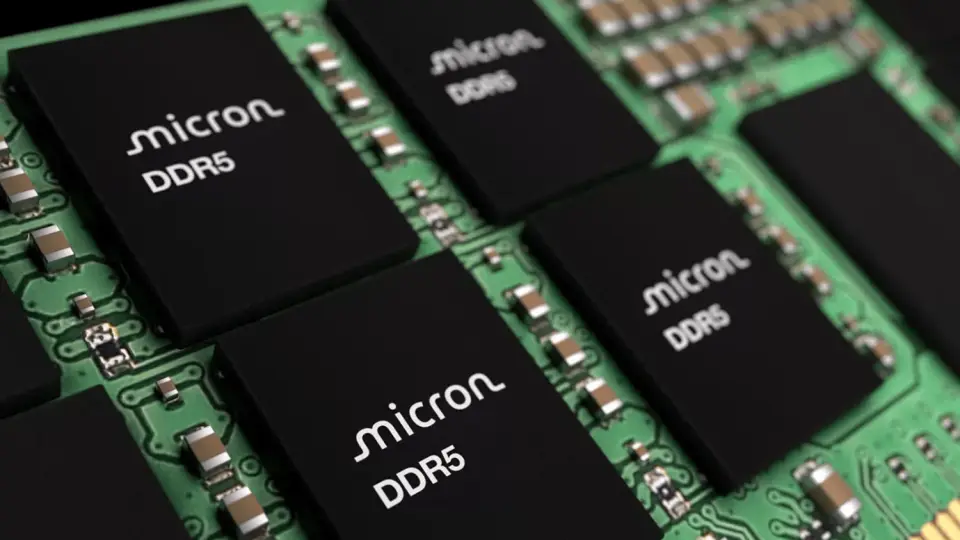
U.S. District Judge Noël Wise denied a motion to dismiss a class-action lawsuit accusing Samsung, SK hynix, and Micron of colluding to restrict DRAM supply. The court found the allegations of coordinated production cuts and capacity shifts toward high-bandwidth memory (HBM) plausible under the Sherman Act. The case will proceed to discovery, with defendants required to file formal answers by December 7, 2026. This ruling follows a period of significant price increases in conventional memory, which plaintiffs attribute to the defendants' market dominance and alleged coordination.
Key points
- Judge Noël Wise denied the joint motion to dismiss filed by Samsung, SK hynix, and Micron on November 14, 2026.
- The lawsuit, filed in June 2026 by 17 consumers and small businesses, alleges the three companies conspired to restrict conventional DRAM supply.
- Plaintiffs claim the defendants coordinated production cuts starting in late 2022 and shifted capacity to HBM, causing conventional DRAM prices to rise by up to 697% over 18 months.
- The defendants hold over 91% of global DRAM revenue, according to the complaint.
- Judge Wise distinguished this case from a previous 2018 suit, citing new alleged conduct such as near-identical customer vetting questions adopted in January 2026.
- The defendants must file formal answers by December 7, 2026, with a case management conference scheduled for January 12, 2027.
Background
This development follows a period of intense market volatility in the memory sector. In October 2026, memory chip price gains began to stall, triggering debate among analysts about whether the current 'supercycle' had peaked. Earlier in 2026, executives from Micron and Samsung warned that AI-driven RAM shortages would persist through 2028, with Micron exiting the consumer RAM market and Samsung shifting production focus to HBM. Additionally, concerns about competition from Chinese chipmaker CXMT emerged in October 2026, though the current lawsuit focuses on the actions of the three major incumbents.
How outlets are covering it
TechPowerUp and Tom's Hardware emphasize the judge's rejection of the defendants' argument that their actions were merely independent responses to market pressures, noting the judge's 'hawks flying in formation' analogy. Crypto Briefing highlights the legal significance of the ruling, noting that it allows the case to proceed to discovery, where internal documents may be examined. While all sources agree on the procedural outcome, they differ in emphasis: TechPowerUp and Tom's Hardware focus on the specific alleged coordinated actions, such as the simultaneous production cuts and customer vetting, while Crypto Briefing focuses on the broader legal implications and the distinction from previous antitrust cases. The defendants maintain that their production decisions reflected shifting market conditions and independent self-interest, a position reiterated in all sources.
Why it matters
The ruling allows a class-action lawsuit to proceed to discovery, potentially leading to significant legal and financial consequences for Samsung, SK hynix, and Micron. If the plaintiffs succeed in proving collusion, the companies could face substantial fines and injunctive relief, which may impact their business strategies and market behavior. The case also highlights the ongoing concerns about market concentration and potential anticompetitive practices in the memory chip industry, which has seen significant price increases and supply constraints in recent years.
What to watch
The defendants must file formal answers to the complaint by December 7, 2026. A case management conference is scheduled for January 12, 2027, which will set the pace for discovery. The outcome of the discovery phase will be critical in determining whether the case proceeds to trial or is resolved through settlement. The ruling does not establish liability, and the defendants maintain that their actions were independent business decisions.
- Samsung, SK hynix, and Micron Fail to Get DRAM Antitrust Suit Dismissed TechPowerUp
- Judge denies motion to dismiss DRAM price-fixing lawsuit against Micron, Samsung, and SK hynix, finds evidence of DRAM collusion plausible after 500% price surge — says chipmakers acted like ‘hawks flying in formation Tom's Hardware
- MTD Denied. A Concerning Outcome for Hynix and Samsung. What Dynamics Could Change From Here? Smartkarma
- SK hynix, Samsung, Micron say AI boom, not conspiracy, affected DRAM market MLex
- Judge lets DRAM cartel lawsuit against Samsung, SK Hynix and Micron move forward Crypto Briefing
Want the full story? Read the original reporting
Read on TechPowerUp