
Matic’s FCC Waiver Is Redundant Due to US Assembly and Pre-Approved Chips
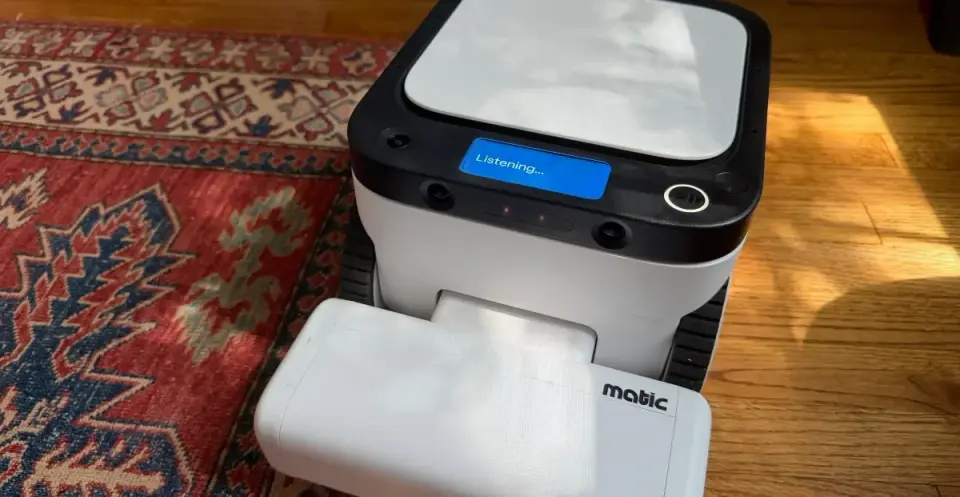
The FCC granted Matic a ban waiver on October 2, 2026, but the company does not require it because its robots are assembled in the US and use pre-approved Intel Wi-Fi chips. The waiver applies only to future foreign-made imports, while existing approved devices remain legal to sell.
Key points
- On October 2, 2026, the FCC added Matic’s model 4MA0001 robot vacuum and its charging dock to the ban waiver list.
- Matic does not need the waiver because its current products use an Intel AX210 Wi-Fi and Bluetooth chip that was already approved by the FCC years ago.
- Matic assembles its robots in Mountain View, California, meaning they are not subject to the import ban on foreign-made devices.
- The FCC’s bans on foreign drones, robots, and routers only prevent new foreign-made products from entering the US; they do not affect devices already approved for sale.
- The waiver would only matter if Matic built new products outside the US and tried to import them, but the FCC has not granted a blanket brand approval for Matic.
Background
In December 2025, the FCC added foreign-produced drones and critical components to its Covered List following a national security determination. This led to bans on certain foreign-made routers, robot vacuums, and drones unless they received a Conditional Approval or exemption. The FCC has since expanded exemptions for products on the Blue UAS Cleared List and qualifying domestic end products until January 1, 2028.
How outlets are covering it
The Verge emphasizes that Matic’s waiver is unnecessary because the company already assembles its products in the US and uses pre-approved Intel chips, contrasting this with router companies that needed waivers. NBC 5 Chicago and Consumer Reports highlight that while the bans affect new foreign-made devices, many previously approved routers, robot vacuums, and drones remain available in stores, advising consumers to check for security updates. Dronelife focuses on the broader Conditional Approval process, noting that foreign manufacturers like Dronus can receive exemptions if they commit to onshoring production and pass government vetting, illustrating a path for foreign-made drones to remain eligible for FCC authorization.
Why it matters
The FCC’s ban on foreign-made connected devices aims to address cybersecurity and national security concerns, but the implementation creates confusion for consumers and manufacturers. Matic’s case shows that US assembly and pre-approved components can bypass the need for waivers, while other companies must navigate Conditional Approval processes. This affects product availability, consumer choice, and the supply chain for smart home and drone technologies in the US.
What to watch
The FCC will continue to review and grant Conditional Approvals for foreign-made devices that meet onshoring and vetting requirements. Manufacturers must comply with approved plans to move production onshore and pass updated government vetting to maintain their exemptions. Consumers should monitor product availability and ensure their devices receive regular security updates to mitigate vulnerabilities.
- The Matic is the first robovac to get an FCC ban waiver, not that it needs it The Verge
- FCC Gives This Robot Vacuum Maker an Exemption From Foreign-Made Robot Ban Yahoo
- Some popular household electronics banned by FTC because of national security concerns NBC 5 Chicago
- FCC Grants Covered List Exemption for Dronus K500L Drone System Dronelife
- FCC robot restrictions could accelerate shift to local AI The Robot Report
Want the full story? Read the original reporting
Read on The Verge