
Memory makers warn AI-driven RAM shortage will persist through 2028
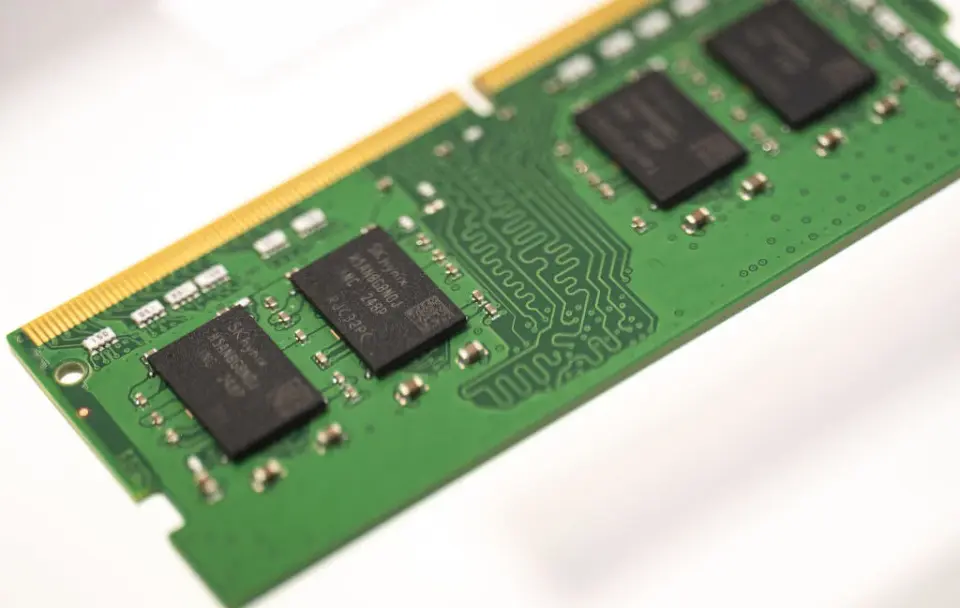
Micron and Samsung executives project that the global memory shortage will continue through 2028, driven by surging AI demand. Micron CEO Sanjay Mehrotra stated that 75% of 2027 output is already sold, with prices significantly higher than 2026 levels. Samsung expects high-bandwidth memory (HBM) to consume nearly 30% of wafer capacity next year, up from 20% this year. Consequently, manufacturing capacity is being prioritized for AI and servers, limiting supply for consumer devices. Micron has already exited the consumer RAM market, while Samsung’s shift in production focus further constrains availability for PCs and other gadgets. New manufacturing facilities are not expected to ramp up production until 2028, leaving no clear path to supply-demand balance in the near term.
Key points
- Micron CEO Sanjay Mehrotra stated that the supply-demand environment is tightening, with 75% of 2027 memory output already committed to customers.
- Samsung’s Kim Taewoo reported that HBM will account for nearly 30% of DRAM manufacturers’ wafer capacity in 2027, up from 20% in 2026.
- Micron’s fiscal Q4 revenue surged 379% year-over-year to a record $54.2 billion, with gross margins widening to 87%.
- Micron plans to open new clean rooms in 2028, but production ramps are expected to be gradual, limiting near-term supply growth.
- Micron exited the consumer RAM market in December 2025 to focus on strategic data center and AI customers.
Background
This shortage follows a period of rising prices and supply constraints. In August 2026, SK hynix predicted the shortage could last through 2030 due to customized AI configurations. In September 2026, rumors suggested NVIDIA’s RTX 60 GPUs would be delayed to 2028 due to memory constraints. Conversely, Acer CEO Jason Chen argued in September 2026 that the worst shortages could end by late 2027, accusing peers of profiteering. Micron’s recent record profits and guidance for further tightening in 2027 and 2028 contrast with these more optimistic consumer-side forecasts.
How outlets are covering it
Micron and Samsung emphasize structural supply constraints due to AI demand, with Micron noting that 75% of 2027 output is sold and Samsung projecting HBM to take 30% of wafer capacity. In contrast, Acer CEO Jason Chen argued in September 2026 that supply has caught up with demand and that the worst shortages could end by late 2027, accusing memory makers of padding forecasts to maintain margins. SK hynix’s August 2026 forecast extended the shortage through 2030, citing customized configurations, while Micron’s CEO indicated uncertainty about when supply will catch up, citing ongoing demand for larger models and higher performance memory. Financial analysts at Yardeni noted that Micron’s stock has risen 273% year-to-date, reflecting strong investor confidence in the AI spending boom, despite some investors viewing memory as a cyclical commodity.
Why it matters
The prolonged memory shortage is driving up costs for consumer electronics, including PCs, smartphones, and gaming consoles, as manufacturers prioritize AI and server memory. Micron’s exit from the consumer RAM market and the shift in wafer capacity toward HBM are limiting availability for consumer devices. The shortage is also influencing product launches, such as potential delays for NVIDIA’s RTX 60 GPUs, and is contributing to higher prices for prebuilt PCs and other gadgets. As AI infrastructure spending continues to grow, with Goldman Sachs raising its 2027 hyperscaler capex forecast to $1.2 trillion, the demand for memory is expected to remain high, further straining supply.
What to watch
Micron expects to open new clean rooms in 2028, but production ramps are expected to be gradual. The company has 26 long-term agreements, up from 16 last quarter, indicating strong demand. Samsung expects HBM to account for nearly 30% of wafer capacity in 2027. Micron’s fiscal Q1-2027 revenue guidance is $61.5 billion, well above analyst expectations. The company has not provided a clear timeline for when supply will catch up with demand, citing ongoing AI-driven demand for larger models and higher performance memory.
- Memory executives expect RAM shortage to continue through 2028 Ars Technica
- Zacks Investment Ideas feature highlights: Micron and NVIDIA Yahoo Finance
- Micron Stock: More Great Earnings Don't Change Our Mind (NASDAQ:MU) Seeking Alpha
- Thanks For The Memories yardeniquicktakes.com
- Micron Beat on Earnings and Guided Above Estimates. How Investors Should Play MU Stock Here. Barchart.com
Want the full story? Read the original reporting
Read on Ars Technica