
Meta’s $18B Settlement Forces New Teen Safeguards, but Critics Say Core Addictive Features Remain
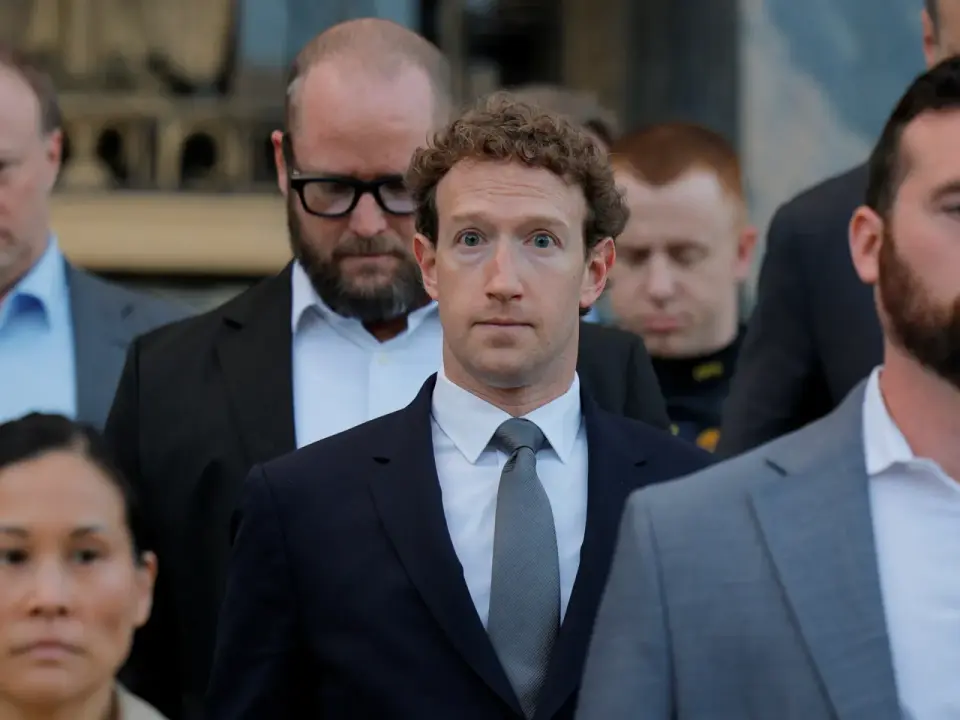
Meta has agreed to an $18 billion settlement with 48 US states and territories, the largest consumer protection deal in US history, to resolve claims that its platforms harm children. The agreement mandates strict new safety measures for users under 18, including a two-hour daily usage limit, a midnight-to-6am curfew, and enhanced parental controls. While Meta denies wrongdoing, the settlement follows a series of recent legal losses and marks a significant shift in how major tech companies must operate in the US, with potential global regulatory ripple effects.
Key points
- Meta will pay up to $18 billion over 10 years, with $16.7 billion distributed to 47 states, DC, and territories; California is set to receive $2.2 billion and New York $1.1 billion.
- The settlement requires Meta to implement a two-hour daily usage limit for users under 18, a night curfew from midnight to 6am, and a pause on push notifications during school hours (8am to 3pm).
- New features include hiding likes and reactions to reduce social comparison, banning cosmetic procedure filters by default, and providing parents with detailed monitoring tools, including alerts for messages to adults and searches for self-harm keywords.
- Meta will only pay the full $18 billion if competitors like TikTok, Snapchat, and YouTube adopt similar measures; otherwise, it will pay approximately $12.7 billion, with the daily limit potentially dropping to one hour if rivals comply.
- The agreement does not require Meta to discontinue personalized recommendations or targeted advertising, and it leaves features like infinite scroll and disappearing messages unaddressed.
Background
This settlement concludes a federal multidistrict lawsuit filed by 29 states in 2023, which accused Meta of designing addictive platforms and violating the Children’s Online Privacy Protection Act. The legal pressure intensified in 2026 after Meta lost two major cases, including a $375 million judgment in New Mexico and a multimillion-dollar loss in Los Angeles. The deal follows a global trend of regulatory action, including Australia’s ban on under-16s and the UK’s upcoming ban, as well as EU investigations under the Digital Services Act.
How outlets are covering it
Al Jazeera and CNN emphasize the concrete operational changes, such as time limits and parental controls, while noting that Meta denies wrongdoing. The New York Times frames the settlement as a validation of Jonathan Haidt’s 2024 book 'The Anxious Generation,' suggesting the legal system has finally caught up with academic concerns about social media harms. Critics, including the NSPCC and The Tech Oversight Project, argue the deal is 'piecemeal' because it fails to address core addictive algorithms, infinite scroll, and AI chatbot safety. Politico highlights the strategic nature of the deal, noting Meta is attempting to 'shame' competitors into adopting similar standards to trigger the full payout, while the EU is waiting for Meta to present comparable commitments to protect children in Europe.
Why it matters
This settlement establishes a new legal and operational precedent for the tech industry, forcing the world’s largest social media company to implement mandatory youth safety features. It signals a shift from voluntary guidelines to court-ordered compliance, potentially influencing global regulations and setting a standard that other platforms may be pressured to follow to avoid similar litigation.
What to watch
Meta must implement non-personalized feeds within four months and broader compliance measures within six months of court approval. The company is actively lobbying competitors to adopt similar rules to unlock the remaining $5 billion in the settlement. Meanwhile, the European Commission is waiting for Meta to present specific commitments to address addictive designs under the Digital Services Act, and the UK is preparing to implement its own social media ban for under-16s next year.
- Meta’s $18bn settlement: How social platforms will change for child users Al Jazeera
- A $17.1 Billion Vote of Confidence That Jonathan Haidt Was Right The New York Times
- Here’s what Meta’s $18 billion multistate settlement could mean for kids — and for its bottom line CNN
- Why Meta’s courtroom concession is a BFD Politico
- Meta settles social media addiction case with California, other states for $16.7 billion CNBC
Want the full story? Read the original reporting
Read on Al Jazeera