
Meta's Muse Success Validates Zuckerberg's AI Gamble Despite Persistent Financial Skepticism
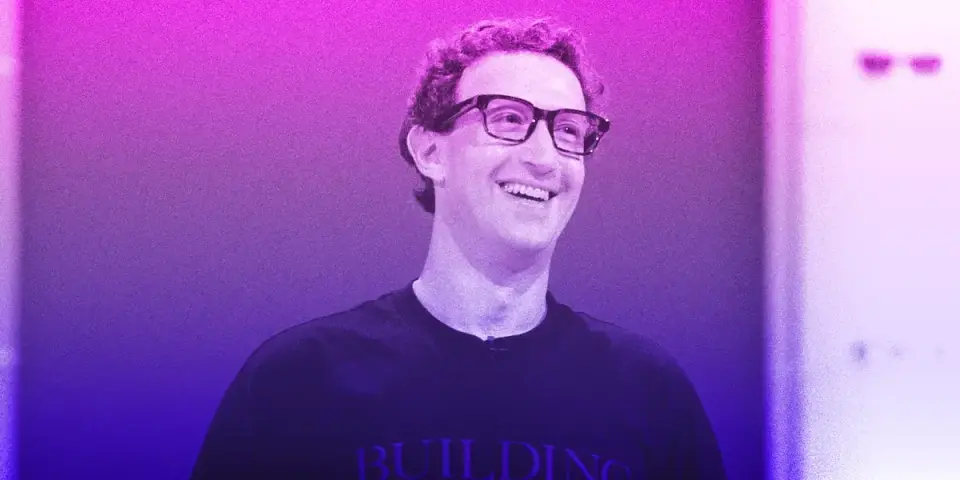
Meta CEO Mark Zuckerberg has successfully pivoted the company’s narrative from a period of internal turmoil and legal setbacks to a new era of AI dominance. The launch of the Muse AI assistant and frontier models has driven significant user adoption, with over 10 million downloads in North America. While this momentum has boosted employee morale and shareholder confidence, critics argue that the massive capital expenditure on AI infrastructure lacks a proven return on investment. Zuckerberg has also secured a $20 billion liquidity package to address potential California tax liabilities, reinforcing his control over the company.
Key points
- Meta's Muse AI assistant achieved over 10 million downloads in North America within weeks of launch, outpacing competitors like OpenAI.
- Zuckerberg secured a new share class providing $20 billion in immediate liquidity to cover potential California billionaire taxes without diluting his control.
- Meta is facing a $25 billion jury verdict in the Cambridge Analytica case, which the company plans to appeal.
- Despite strong product reception, Meta's stock dropped 7% after earnings as investors weighed hundreds of billions in future AI spending commitments.
- The company settled a major lawsuit with state attorneys general, agreeing to implement daily time limits and overnight notification pauses for teens.
Background
This development follows a turbulent 2026 for Meta, marked by significant layoffs, a 10% workforce reduction, and internal morale issues. Earlier this year, the company faced a landmark trial regarding youth mental health, resulting in a negligence finding. The recent success of Muse and the Muse Wonder models represents a strategic shift from the previous year's focus on advertising, which accounted for 98% of revenue in the second quarter. The launch of the keychain-sized Muse Charm device and tiered pricing structures were part of this broader push to integrate AI into daily consumer habits.
How outlets are covering it
Business Insider highlights the 'Muse effect,' noting that the product's rapid adoption has restored confidence in Zuckerberg's leadership and silenced some critics. However, the outlet emphasizes that the financial return remains unproven, with analysts noting that the bill for AI infrastructure is huge. In contrast, AFR focuses on the downstream effects of Meta's strategy, noting that Zuckerberg's continued bullishness on AI spending provides relief to neocloud data center firms like Firmus, which had recently suffered valuation losses. While Business Insider frames the situation as a narrative win for the CEO, AFR views it as a signal for the broader infrastructure sector to continue pouring billions into new capacity.
Why it matters
The success of Muse demonstrates that Meta can compete effectively in the AI market despite previous skepticism, potentially reshaping the competitive landscape against OpenAI and Anthropic. The $20 billion liquidity deal for Zuckerberg sets a precedent for how tech leaders may navigate state-level wealth taxes, while the ongoing legal battles and massive capital expenditures highlight the risks associated with rapid AI integration. Investors are now weighing the long-term profitability of these AI investments against the immediate costs, creating a volatile environment for both Meta and its infrastructure partners.
What to watch
Meta will likely continue to expand the capabilities of Muse and its frontier models, aiming to convert user engagement into revenue through shopping and virtual reality integrations. The company must navigate the appeal of the $25 billion Cambridge Analytica verdict and monitor the impact of the new share class on its capital structure. Investors will watch for signs that the massive AI spending commitments begin to generate concrete financial returns, while the broader tech sector will assess whether Meta's strategy validates the current boom in data center infrastructure.
Want the full story? Read the original reporting
Read on Business Insider