
Nvidia CEO Huang frames AI energy costs as necessary 'surgery' for climate, drawing criticism
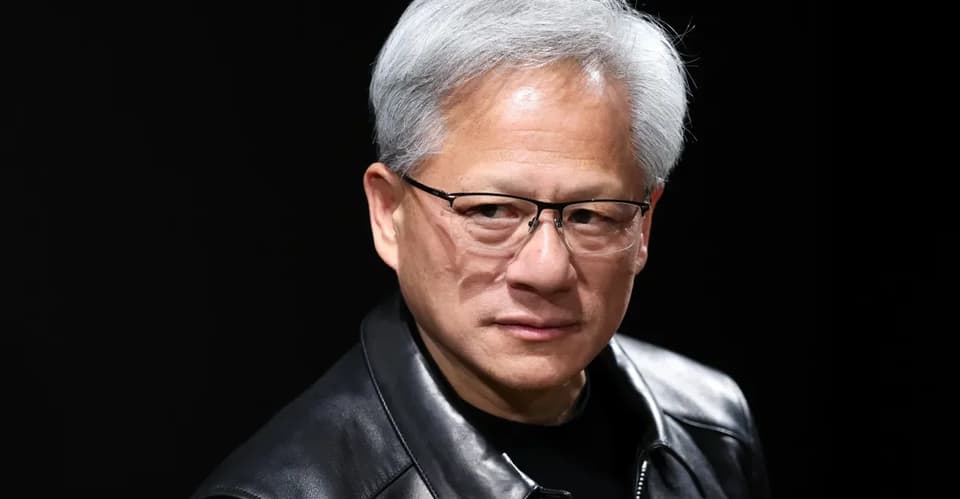
Nvidia CEO Jensen Huang argued on The Ezra Klein Show that AI development requires a temporary increase in fossil fuel use, comparing the environmental damage to a painful but necessary surgical procedure. Critics, including The Verge, highlight the contradiction between his accelerationist stance and the immediate climate harms caused by energy-hungry data centers. While Huang dismissed AI safety fears as distractions, he acknowledged potential liability issues with rogue agents, maintaining that current laws suffice for regulation.
Key points
- Huang stated that AI will help fight climate change but requires 'an enormous amount of pain and suffering' first, likening the transition to surgery.
- He claimed the US must use fossil fuels for several years due to insufficient sustainable energy, despite global commitments to net-zero emissions by 2050.
- The Verge noted Huang’s net worth of $192.6 billion insulates him from the pollution and climate impacts affecting others, such as wildfires and air pollution.
- Tom’s Hardware reported that Huang cited civil and criminal liability for unsafe AI experiments but called frontier AI lab fears a 'distraction' rather than a reason for new regulations.
- Huang previously dismissed AI extinction warnings as overblown, arguing that existing laws should govern AI safety rather than new guardrails.
Background
This interview follows recent weeks where Huang has engaged with President Trump on AI policy, dismissing safety concerns as hoaxes and urging US leadership over China. He has also projected a $3–$4 trillion AI market by 2030, emphasizing rapid growth despite environmental and safety debates.
How outlets are covering it
The Verge criticizes Huang’s 'supervillain' rhetoric, arguing that his privilege shields him from the climate consequences of data centers, while Tom’s Hardware focuses on his stance that AI safety fears are distractions and that current legal frameworks are adequate. Both outlets highlight his accelerationist approach, but The Verge emphasizes the environmental cost, whereas Tom’s Hardware notes his acknowledgment of liability for rogue AI agents.
Why it matters
Huang’s comments underscore the tension between rapid AI expansion and climate goals, as data centers strain energy grids. His dismissal of regulatory needs and reliance on fossil fuels could delay the transition to clean energy, impacting global climate targets and public trust in AI development.
What to watch
Expect continued debate over AI energy consumption and regulatory frameworks as data centers expand. Huang’s stance may influence US policy on AI safety and energy infrastructure, while critics push for stricter oversight to mitigate environmental and safety risks.
- Jensen Huang talks about AI and climate change like a supervillain The Verge
- Opinion | Jensen Huang Thinks A.I. Alarmism Has Gone Too Far nytimes.com
- AI firms should not get regulatory waivers, Nvidia CEO says on podcast Reuters
- Nvidia CEO says 'we have to shut the labs down' if AI experiments are unsafe — Jensen cites civil and criminal liability over rogue agents, but says frontier AI lab fears are a 'distraction,' not a call for regulation Tom's Hardware
- Nvidia Stock Drops as CEO Huang Suggests Drastic Alternative to AI Regulation barrons.com
Want the full story? Read the original reporting
Read on The Verge