
Nvidia CEO Jensen Huang's Affair with Suspected Chinese Spy Sparks Congressional Probe and Export Control Debate
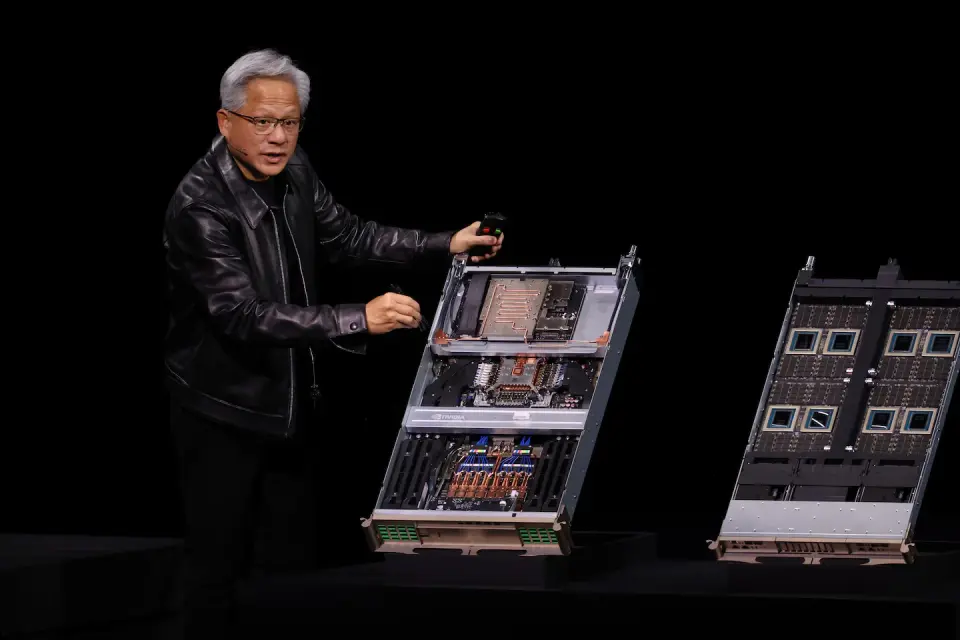
Nvidia CEO Jensen Huang admitted to an extramarital affair with Alice Huang, a Chinese businesswoman whom U.S. intelligence agencies allege is a spy for Beijing. The scandal has triggered an independent board investigation, a 4.2% stock drop, and intense scrutiny from Congress over potential chip diversion to China via Singapore-based Megaspeed. While Nvidia denies trade secrets were compromised, the incident has intensified debates over U.S. export controls and the vulnerability of Big Tech to human espionage.
Key points
- Jensen Huang admitted to an affair with Alice Huang, a former executive of Megaspeed International, a Singapore-based firm that purchased over $4.8 billion in Nvidia chips.
- U.S. intelligence agencies allege Alice Huang is a cutout for China’s Ministry of State Security, though she denies knowledge of espionage and China calls the allegations a smear.
- Nvidia’s board launched an independent investigation, and the company stated no trade secrets were compromised, but the scandal triggered a 4.2% stock drop and a class-action lawsuit.
- Three House committees requested closed-door briefings with Huang, and Democratic lawmakers have pledged to investigate the matter following midterm election victories.
- The incident has heightened scrutiny over whether restricted Nvidia chips reached Chinese companies through Megaspeed, with short-seller Culper Research alleging that over 20% of Nvidia’s fiscal 2026 revenue was driven by China via illegal diversion.
- President Trump defended Huang, stating he was 'amazed' by the allegations and that Huang told him he had no idea Alice Huang was a spy, while the FBI has opened an investigation.
Background
Nvidia has faced significant challenges in China since the Biden administration imposed sweeping export controls in October 2022, which diminished its business in the world’s second-largest economy. The Trump administration later implemented stricter rules, and Huang stated in October 2025 that Nvidia was '100% out of China.' However, the company maintained some business in the region, with China accounting for about 9% of its revenue in the last fiscal year. The current scandal occurs against the backdrop of a massive AI-driven wealth surge that transformed chip executives into tech celebrities and reshaped U.S. policy toward China.
How outlets are covering it
The Washington Post emphasizes the potential impact of Huang’s affair on the U.S. economy, noting his close relationship with President Trump and his influence on AI policy. CNN frames the incident as part of a broader corporate espionage problem, highlighting the vulnerability of Big Tech to human espionage and the growing stakes of trade secret theft. CNBC focuses on the implications for Nvidia’s relationship with China and the potential influence of Huang on U.S. export policy, noting that his voice on China is now weaker. The New York Times describes the situation as an 'AI spy thriller,' emphasizing the dramatic nature of the allegations and the awareness of the U.S. president. The outlets differ in their emphasis: The Post and CNBC focus on economic and policy implications, CNN on the broader espionage trend, and the NYT on the dramatic narrative.
Why it matters
The scandal highlights the intense scrutiny now facing AI leaders and the potential vulnerabilities of Big Tech to human espionage. It has triggered a class-action lawsuit, a 4.2% stock drop, and intensified calls for stricter chip export controls. The incident also raises questions about the integrity of U.S. export controls and the potential for restricted chips to reach Chinese companies through intermediaries like Megaspeed. As Congress and the FBI investigate, the outcome could have significant implications for U.S.-China tech relations and the future of AI chip sales.
What to watch
Congress is expected to investigate the matter, with three House committees having requested closed-door briefings with Huang. The FBI has opened an investigation, and the White House is under pressure to address the potential diversion of restricted chips to China. Proposals for stricter export control legislation are likely to emerge, potentially including Congress oversight of chip export licenses or requiring chipmakers to install security mechanisms to track the location of chips. The outcome of the board investigation and the FBI probe will determine whether any trade secrets were compromised and could lead to further legal and regulatory actions.
- Nvidia CEO’s affair with an alleged Chinese spy could be a problem for the economy The Washington Post
- Big Tech has a spy problem CNN
- Jensen Huang's affair with alleged Chinese spy further complicates Nvidia’s China problem CNBC
- The A.I. Spy Thriller The New York Times
- Nvidia and Jensen Huang face shareholder lawsuit alleging investors were misled about spy affair Yahoo Finance
Want the full story? Read the original reporting
Read on The Washington Post