
Nvidia Sellers Scramble for Buyers After U.S. Curbs Remote AI Access for China
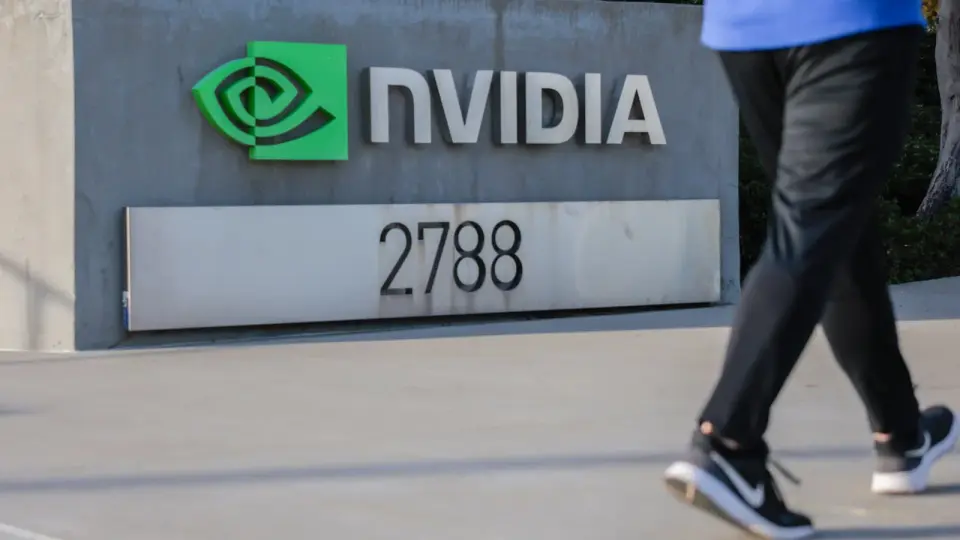
Following the U.S. Department of Commerce’s new interim rule restricting remote access to advanced AI chips, Nvidia hardware sellers are urgently seeking new buyers. The rule, effective November 19, targets loopholes allowing Chinese companies to rent computing power in overseas data centers. This has triggered a surge in GPU listings, particularly for the B300 model, as Asian data centers pivot away from Chinese clients to avoid compliance risks and potential blacklisting.
Key points
- The U.S. Bureau of Industry and Security (BIS) announced an interim final rule on November 16, effective November 19, to close loopholes allowing Chinese firms remote access to advanced Nvidia chips via overseas data centers.
- Sources indicate an unusually high volume of Nvidia GPUs, including thousands of B300 units, have been placed on the market since the rule's announcement, with sellers seeking to offload hardware originally intended for Chinese clients.
- The rule requires data center operators in Singapore, Malaysia, Thailand, Indonesia, and Brazil to obtain special U.S. licenses to supply significant processing power to Chinese customers, with a 90-day compliance window.
- Malaysia has instructed 117 approved data center projects to comply with the new rules and cut ties with seven blacklisted companies, including Megaspeed, which was added to the U.S. trade blacklist this week.
- Analysts warn that the new regulations may delay construction, deter investment, and cause financing issues for hundreds of data center projects in Southeast Asia that relied on Chinese demand.
Background
This development follows months of scrutiny over Chinese access to Nvidia chips, including allegations against Moonshot AI in July 2026 and a Remote Access Security Act that passed the U.S. House in January 2026 but remains pending in the Senate. The new BIS rule is part of a broader clampdown on export control bypasses, building on previous restrictions that banned direct sales of Blackwell chips to China but left remote access via third-country data centers largely unregulated.
How outlets are covering it
CNBC emphasizes the immediate market reaction, with sellers actively seeking buyers for surplus GPUs due to the rule. Bloomberg highlights the strategic pivot of Asian data centers to replace Chinese demand with U.S. clients. The Financial Times focuses on the broader economic fallout, warning that the rules could jeopardize hundreds of billions in data center investments across Southeast Asia and trigger due diligence concerns among investors.
Why it matters
The rule reshapes global AI infrastructure by forcing a decoupling of Chinese demand from advanced U.S. chip access, potentially slowing China's AI development while disrupting the business models of Asian data centers and raising compliance costs for global tech firms.
What to watch
Data center operators in the five affected countries have 90 days to obtain special U.S. licenses to continue supplying Chinese customers. The U.S. government is expected to assess which Chinese companies will be granted access, with analysts predicting rejections for firms planning to use chips for large language model training. The Remote Access Security Act remains pending in the U.S. Senate.
- Nvidia sellers seek new buyers as U.S. curbs China AI chip access, sources tell CNBC CNBC
- Asia Data Centers Sound Out US Clients to Replace China Demand Bloomberg
- The Morning Risk Report: U.S. Chip Restrictions Amplify Shell Company Headaches in AI Ecosystem WSJ
- Nvidia server suppliers halt Southeast Asia shipments over US curbs Nikkei Asia
- Will the Nvidia fallout kill off Asia’s data centre boom? Financial Times
Want the full story? Read the original reporting
Read on CNBC