
China's AI Race: Data Centres Emerge in Inner Mongolia's Potato Fields
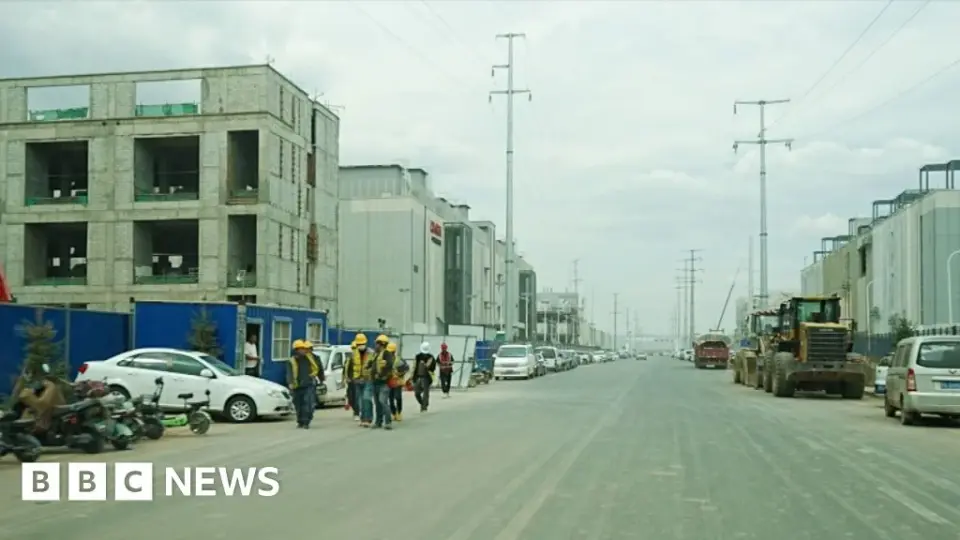
China is rapidly expanding data centre infrastructure in Inner Mongolia to fuel its AI ambitions, positioning itself as a global leader in open-source models and computing power despite US chip restrictions.
Key points
- Ulanqab in Inner Mongolia, traditionally known as China's 'potato capital', is now a major site for data centre construction to support AI development.
- The Chinese government views these facilities as critical for national security and aims to embed AI across 90% of industries by 2030.
- China is promoting affordable, open-source AI models to overcome limitations in advanced chip access, contrasting with the closed-model approaches of US firms like OpenAI.
- A growing pool of Chinese engineers and researchers is returning from the US, driven by immigration restrictions and opportunities for government-backed innovation.
- Local communities face mixed reactions, with some finding jobs in the new facilities while others express concerns over land displacement and limited economic benefits.
Background
This development follows a broader global trend where data centre expansion is reshaping economies and labour markets. Recent reports have highlighted how AI-driven infrastructure booms in the US, such as in Texas, are impacting entry-level jobs, while political debates continue over energy costs and Big Tech influence. In contrast, China's strategy focuses on state-led infrastructure and open-source development to mitigate external technological constraints.
Why it matters
The expansion of data centres in remote regions like Inner Mongolia underscores the intensifying US-China AI competition. It highlights how infrastructure investment, talent retention, and regulatory approaches are becoming central to national security and economic strategy, with potential implications for global AI governance and technological autonomy.
What to watch
The upcoming Trump-Xi summit in Washington will likely address AI safety and regulatory frameworks, potentially influencing future cooperation or confrontation. Meanwhile, China will continue building data centres in sparsely populated provinces to meet its 2030 AI integration goals, while monitoring the impact on local communities and energy sustainability.
Want the full story? Read the original reporting
Read on BBC