
Robot vacuum makers react to FCC ban on foreign-made models
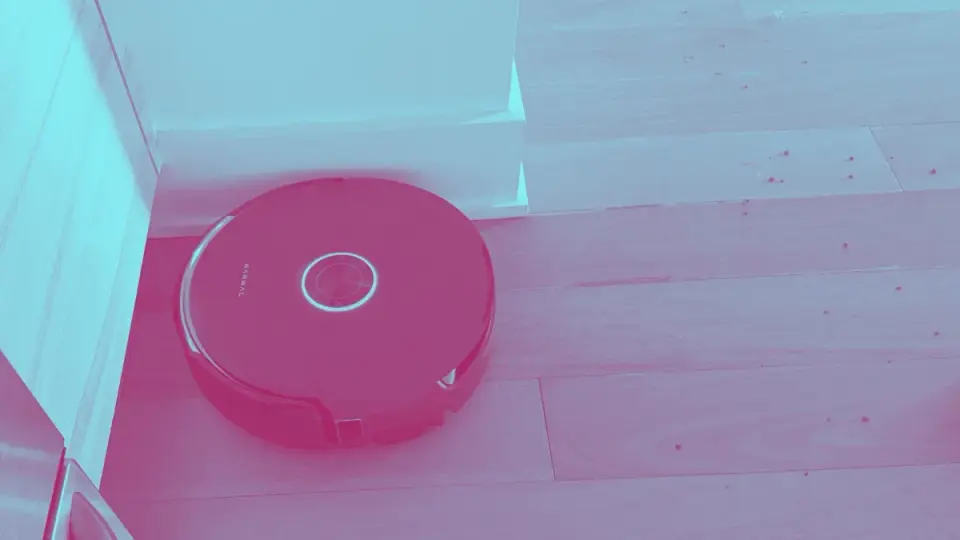
The FCC's ban on foreign-made advanced robots blocks new robot vacuum imports, but existing units remain usable. Brands like Shark, iRobot, and Eufy say current products are unaffected, while future models face uncertainty. The move aims to address cybersecurity risks but may limit consumer choice and innovation.
Key points
- The FCC banned new foreign-made robot vacuums, citing national security and cybersecurity risks.
- Existing robot vacuums can still be used and receive updates through January 1, 2029.
- Shark, iRobot, Eufy, and Narwal confirmed current products remain available and supported.
- Future models may require special government approval to enter the U.S. market.
- The ban affects brands like Roborock, Dreame, and Ecovacs, which dominate the market.
Background
In late July 2026, the FCC added foreign-made advanced robotic devices to its Covered List, banning new imports due to cybersecurity concerns. This followed a December 2025 ban on foreign drones. The Verge argued the ban would curb innovation and raise prices without solving security issues, suggesting stricter cybersecurity standards instead. iRobot, now owned by Shenzhen Picea Robotics, faces challenges as its Roomba vacuums are manufactured abroad.
How outlets are covering it
Mashable highlights brand statements, noting Shark's confidence in navigating the process as a U.S.-based company. CNN frames the ban as part of a broader U.S. effort to counter China's dominance in robotics. NBC News emphasizes the impact on consumer access to new models. All sources agree existing devices are unaffected, but differ on the ban's effectiveness and long-term market implications.
Why it matters
The ban could reshape the robot vacuum market, limiting consumer choice and potentially raising prices. It reflects growing U.S. concerns over foreign-made technology and cybersecurity risks, with implications for innovation and domestic manufacturing.
What to watch
Brands will seek exemptions or adapt to U.S. manufacturing. The FCC will review future models for security risks. Consumers may see fewer new options and higher prices, while existing devices remain usable through 2029.
- Robot vacuum brands respond to the FCC ban: See statements from Shark, iRobot, Eufy, and more Mashable
- FCC chair says robot import restrictions aim to boost US production Reuters
- The FCC Just Banned Many Robot Vacuums: Here’s What To Know Forbes
- China’s humanoid robots have been taking over the global market. Now the US is banning them CNN
- Smart vacuums swept up in U.S. ban on imports of Chinese robots NBC News
Want the full story? Read the original reporting
Read on Mashable