
SpaceX to Deploy 5G Network via Qualcomm Deal, Bypassing Traditional Vendors
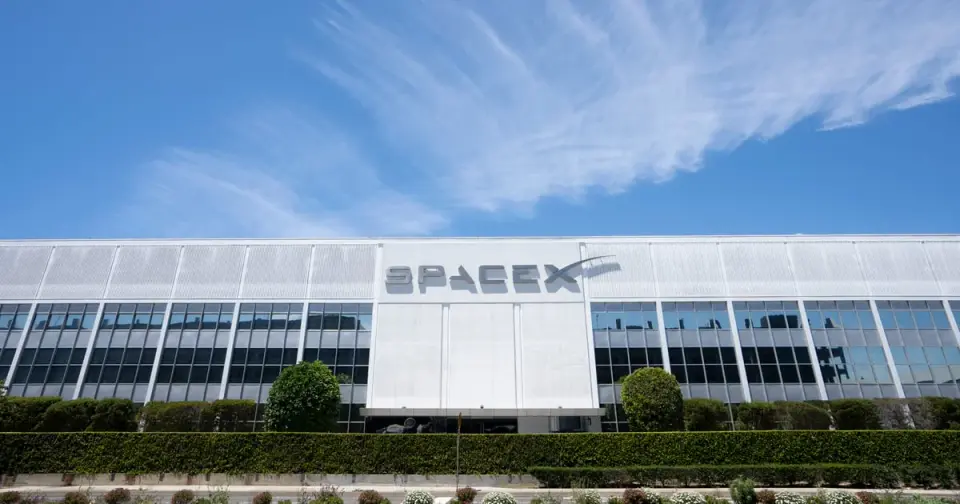
SpaceX has signed a multiyear agreement with Qualcomm to supply core hardware and software for its terrestrial 5G network, Starlink Mobile. The deal involves deploying tens of thousands of cell sites across the US starting in 2027, marking a significant shift from satellite-only connectivity to a hybrid ground-based infrastructure model to challenge major carriers.
Key points
- SpaceX and Qualcomm announced a multiyear deal for Qualcomm to provide Dragonwing cellular infrastructure platforms, including QRU100 and QDU100 chips, for Starlink Mobile's US network.
- The network will utilize 64T64R Massive MIMO technology in lower bands to improve coverage and capacity, addressing SpaceX's limited spectrum holdings compared to incumbents.
- Deployment is scheduled to begin in 2027, with plans to install base stations at tens of thousands of sites, potentially reaching up to 80,000 locations.
- Qualcomm will supply Layer 1 processing and software, while SpaceX will develop the higher-layer software and core network components, bypassing traditional vendors like Ericsson and Nokia.
- The move aims to create a fully integrated satellite and terrestrial network, with analysts estimating total infrastructure costs could exceed $100 billion.
Background
SpaceX has been expanding its mobile ambitions beyond satellite broadband, previously acquiring spectrum from EchoStar and Grain Management. The company is also in talks to acquire Boost Mobile, a brand from Dish Network, to gain additional network assets and wholesale agreements. This terrestrial push follows earlier discussions about using Starlink rooftop terminals as small cells, though the current deal focuses on traditional macro sites.
How outlets are covering it
Light Reading emphasizes the disruption to traditional vendors like Ericsson and Nokia, noting SpaceX's choice of Qualcomm over these incumbents. CNBC highlights the strategic importance of the deal for Qualcomm's infrastructure business and SpaceX's attempt to compete with Verizon, AT&T, and T-Mobile. Axios focuses on the broader implications for AI-powered devices and robots, suggesting SpaceX's network may serve emerging markets beyond smartphones. Qualcomm's official statement frames the collaboration as a step toward AI-native 6G infrastructure, while Light Reading notes skepticism from Qualcomm executives regarding the use of GPUs for RAN workloads.
Why it matters
The deal represents a potential shift in the US telecom landscape, with SpaceX entering the market as a fourth major carrier. It challenges the dominance of traditional equipment vendors and could reshape the competitive dynamics of the wireless industry, particularly if SpaceX can leverage its satellite infrastructure and financial resources to overcome the high costs of terrestrial network deployment.
What to watch
SpaceX is expected to begin deploying its terrestrial network in 2027, with rapid ramp-up anticipated. The company will need to secure tower space, potentially through deals with companies like American Tower and Crown Castle, and address regulatory approvals. Analysts will monitor whether SpaceX can attract enough subscribers to justify the massive investment, while traditional carriers may respond with competitive strategies or partnerships.
- SpaceX boldly goes into 'huge' 5G network rollout with Qualcomm Light Reading
- SpaceX signs deal with Qualcomm to provide network technology for U.S. mobile service CNBC
- Qualcomm signs major 5G infrastructure deal with SpaceX for Starlink Mobile network Reuters
- SpaceX Selects Qualcomm to Accelerate Starlink Mobile’s Nationwide 5G Network Qualcomm
- Elon Musk is set to spend $100B to disrupt wireless in the age of drones and robots Axios
Want the full story? Read the original reporting
Read on Light Reading