
Tesla Roadster 2 Demonstrates Flight, But Regulatory Hurdles Loom
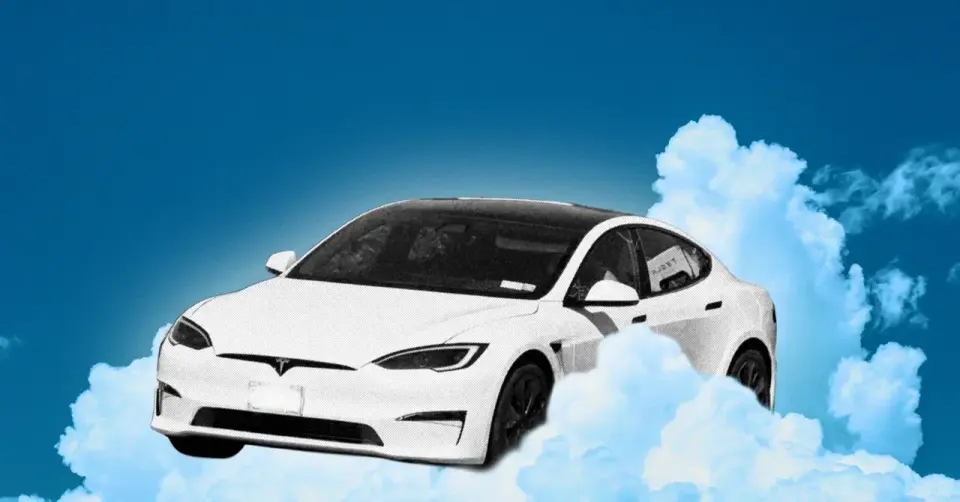
On October 15, 2026, Tesla unveiled its new Roadster 2 at a SpaceX facility in McGregor, Texas. The vehicle demonstrated the ability to leave the ground using cold-gas thrusters and underbody fans, performing aerial maneuvers and driving upside down. While the car is slated for production in 2028, experts and officials note that legal operation in national airspace will require extensive FAA certification and likely a recreational aviation license for owners.
Key points
- Tesla demonstrated the Roadster 2 flying a few dozen feet at a SpaceX testing facility in McGregor, Texas, on October 15.
- The vehicle uses 10 nozzles and ultra-high-pressure air tanks to propel itself, achieving a 0-60 mph acceleration time of less than one second.
- Production is targeted for 2028, with reservation deposits ranging from $50,000 to $250,000, though no final price has been set.
- The demonstration was conducted without a human occupant to ensure safety, as Musk stated the vehicle was not yet safety-optimized.
- Regulatory experts indicate that operating the vehicle in national airspace will require FAA approval, which could take at least a year.
Background
The Roadster 2 reveal follows a nearly nine-year delay since its initial announcement. Previous coverage noted that the vehicle is the last human-driven Tesla model and that analysts expect minimal financial impact due to low production volumes. The demonstration also coincided with ongoing FAA pilot projects for electric vertical take-off and landing (eVTOL) vehicles, which are currently undergoing a limited three-year testing phase under the Trump administration.
How outlets are covering it
WIRED emphasizes the regulatory complexity, noting that the FAA has jurisdiction over any machine that leaves the earth's surface and that owners would likely need a recreational aviation license. CNN highlights the engineering skepticism, with Smithsonian curator Roger Connor arguing that a hybrid vehicle will likely be a poor performer in both flight and driving due to weight constraints. Yahoo focuses on the technical demonstration, describing the use of cold-gas thrusters and the vehicle's ability to perform aerial flips and drive upside down, while noting the lack of sustained flight capability.
Why it matters
The Roadster 2 represents a significant engineering feat, but its practical application is limited by existing aviation regulations. The vehicle's ability to fly may be restricted to private land, as most states require aircraft to take off from designated airports or helipads. This highlights the ongoing tension between automotive innovation and aviation safety standards, as well as the challenges of integrating new technologies into existing regulatory frameworks.
What to watch
Tesla must navigate the FAA certification process, which could take at least a year, before the Roadster 2 can be legally operated in national airspace. The company will also need to address the practical issues of takeoff and landing, as most states do not allow aircraft to launch from roads or highways. The 2028 production target remains uncertain, as Musk has a history of missing timelines for previous projects.
- A Tesla Flying Car? I Don’t Know, Man WIRED
- Tesla unveils what it says is a flying car CNN
- We have liftoff: Tesla's new Roadster can fly, sort of Yahoo
- Tesla’s new Roadster makes a flying debut, hitting 60 MPH in under a second Fox Business
- Tesla's new Roadster turns in air with SpaceX thrusters, won't land until 2028 Reuters
Want the full story? Read the original reporting
Read on WIRED