
Warsh Warns of AI Economic Shock as Inflation Hits 4-Month High
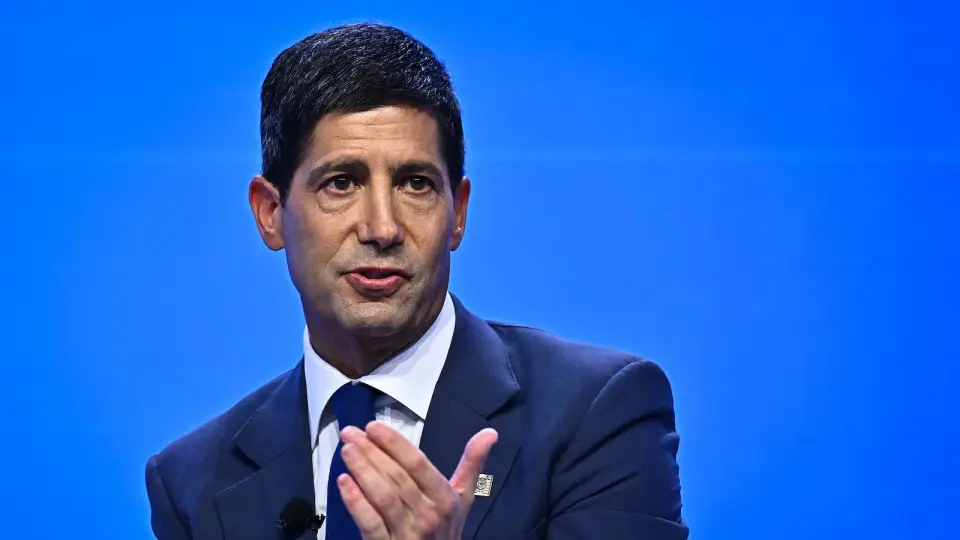
Federal Reserve Chair Kevin Warsh warned that surging artificial intelligence investment is creating a demand-side 'shock' that threatens price stability, despite his long-term optimism about AI productivity. Speaking at an IMF conference in Bangkok, Warsh pledged to contain inflation, which rose to 3.7% in September, driven by energy costs and AI spending. Although markets expect the Fed to hold interest rates steady at its October 28 meeting, Warsh rejected forward guidance, leaving open the possibility of a surprise hike if financial conditions remain loose.
Key points
- Warsh described AI spending as a demand-side shock that could outpace supply, potentially driving up consumer prices.
- U.S. inflation reached a four-month high of 3.7% in September, significantly above the Fed's 2% target.
- The Fed raised interest rates by 25 basis points in September, its first hike since 2023, to combat rising prices.
- Warsh declined to signal future policy moves, stating he does not pre-judge meetings, which contrasts with traditional Fed communication.
- Investors currently assign an 86% probability to the Fed holding rates steady in October, though some analysts warn this complacency may be misplaced.
Background
Warsh took over the Federal Reserve in May 2026, succeeding a period of rate stability. His leadership has been marked by a break from traditional forward guidance and a hawkish stance on inflation. In September, the Fed hiked rates despite an oil supply shock from the Iran conflict, defying President Trump's calls for lower borrowing costs. Earlier this month, Warsh emphasized a new era of data-driven policy without forward guidance, noting synchronized global monetary tightening.
How outlets are covering it
ABC News highlights Warsh's warning that AI investment is hitting the demand side of the economy before the supply side, creating a potential 'shock' that requires central bank intervention to maintain price stability. CNBC, however, focuses on the market's potential complacency, noting that while Warsh's lieutenants, including Vice Chair Philip Jefferson and New York Fed President John Williams, signaled comfort with holding rates, Warsh has distanced himself from their views. CNBC argues that Warsh's rejection of forward guidance means investors may be underestimating the risk of a surprise rate hike, especially given hot producer price index data and loose financial conditions. While ABC emphasizes the structural impact of AI on inflation, CNBC questions whether Warsh will use the October meeting to tighten policy further despite market expectations of a pause.
Why it matters
Warsh's stance on AI-driven inflation and his refusal to provide forward guidance introduce significant uncertainty into monetary policy. If the Fed hikes rates unexpectedly, it could trigger market volatility and impact borrowing costs for consumers and businesses. The tension between Warsh's hawkish views and his lieutenants' dovish signals complicates the Fed's ability to manage expectations, potentially affecting the trajectory of inflation and economic growth in the coming year.
What to watch
The Federal Open Market Committee will meet on October 28, just days before the midterm elections. Investors are watching for any signals from Warsh regarding whether the Fed will hold rates steady or hike further. The outcome will depend on how Warsh interprets recent inflation data and financial conditions, as well as whether he chooses to coordinate with his lieutenants or act independently. The next inflation report, particularly core personal consumption expenditures, will be a key indicator for the Fed's decision.
- Fed Chair Kevin Warsh warns of AI 'shock' for economy, pledges to contain inflation ABC News - Breaking News, Latest News and Videos
- Analysis: Everyone expects the Fed to hold rates in October. Kevin Warsh could surprise us all CNBC
- Warsh Vows to Tame Inflation as A.I. Delivers ‘Shock’ to Economy The New York Times
- Key Moments From Kevin Warsh’s IMF Appearance WSJ
- Warsh Boosts Market Expectations of Fed Rate Hold in October Bloomberg.com
Want the full story? Read the original reporting
Read on ABC News - Breaking News, Latest News and Videos