
Warsh Withholds Rate Hints Amid Inflation Surge and AI Boom
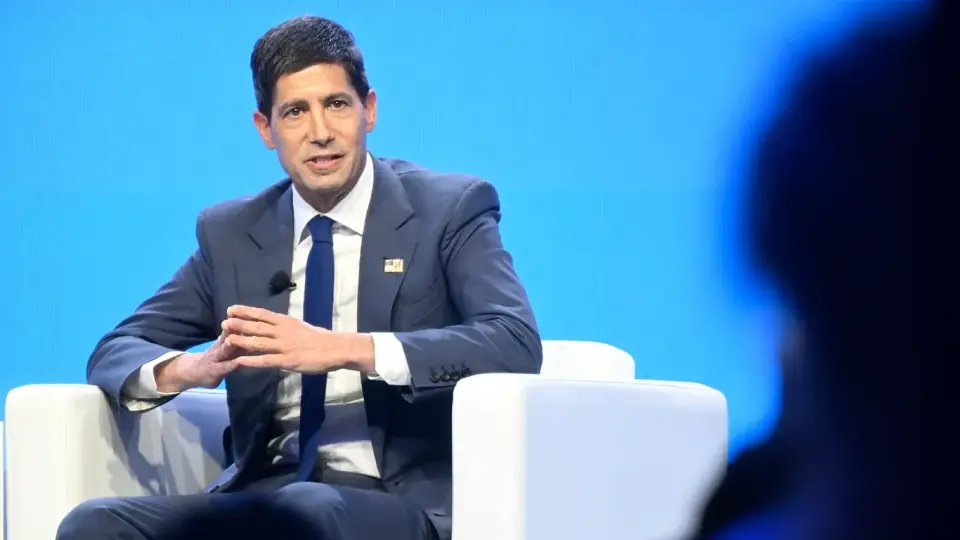
Federal Reserve Chair Kevin Warsh declined to signal policy direction for the October 27-28 meeting, maintaining a data-dependent stance despite rising inflation and a massive AI investment boom. While the Fed raised rates in September to 3.75%-4.00%, Warsh emphasized that the central bank is no longer engaged in forward guidance, leaving markets to interpret economic data independently.
Key points
- Warsh stated he does not prejudge meetings or provide forward guidance, describing the Fed's new approach as a 'new chapter' where markets must rely on data interpretation rather than official hints.
- The Fed raised interest rates in September for the first time since 2023 to combat inflation fueled by the Iran war and energy costs, with minutes indicating most officials expect another hike this year, though timing remains uncertain.
- Recent inflation data showed price pressures extending beyond energy into services, causing odds of an October rate hike to fluctuate between 22% and 50% before settling around 28%.
- Warsh highlighted a 'massive investment surge' driven by AI as a critical global economic factor, warning that the transition will be 'bumpy' but ultimately boost productivity and wealth.
- The Fed announced a field hearing for its productivity and jobs task force on November 16 in the Bay Area to examine how AI and other technologies are reshaping the economy.
Background
The Federal Reserve has been navigating a complex monetary policy environment since September, when it raised rates to 3.75%-4.00% to address inflation that has remained above the 2% target for over five years. Previous minutes indicated that while most officials expect one additional hike by year-end, they do not anticipate a series of consecutive increases. Deputy officials, including Vice Chair Philip Jefferson and New York Fed President John Williams, had previously signaled patience, suggesting the Fed could hold off in October to assess economic conditions, particularly after weak jobs data showed only 29,000 new positions in September.
How outlets are covering it
Axios and The New York Times both emphasize Warsh's refusal to provide forward guidance, noting his comments came just before the Fed's pre-meeting blackout period. CNBC highlights Warsh's acknowledgment of a 'synchronous tightening' by central banks globally, describing it as a common fight against prices with 'no free riders.' While Axios focuses on the specific inflation data that shifted market odds, CNBC underscores the global context and the U.S. government's stance on managing public debt through growth. The New York Times frames Warsh's comments as a vow to tame inflation while acknowledging the AI-driven economic shock, contrasting his optimism with the seriousness of the current monetary challenge.
Why it matters
Warsh's stance signals a shift in the Federal Reserve's communication strategy, moving away from traditional forward guidance that markets have relied upon for years. This approach increases uncertainty for investors and businesses, who must now interpret economic data without explicit policy hints from the central bank. The combination of rising inflation, a massive AI investment boom, and global monetary tightening creates a complex environment where the Fed must balance price stability with economic growth, potentially impacting borrowing costs, public debt levels, and long-term productivity.
What to watch
The Federal Reserve's next policy meeting is scheduled for October 27-28, where it will decide whether to raise interest rates again. Market expectations for an October hike have fluctuated significantly, with odds currently around 28% after recent inflation data. The Fed's productivity and jobs task force will hold its first field hearing on November 16 in the Bay Area, bringing together outside experts to examine the impact of AI and other technologies on the economy. Further rate decisions are expected in December, with markets currently pricing in a 25 basis point hike at that meeting.
- Warsh signals steady Fed outlook despite inflation jump Axios
- Fed's Warsh withholds rate signal, praises recent global tightening CNBC
- Opinion: Here’s how the Fed should reveal its outlook for the economy MarketWatch
- Key Moments From Kevin Warsh’s Speech to the IMF WSJ
- Warsh Vows to Tame Inflation as A.I. Delivers ‘Shock’ to Economy The New York Times
Want the full story? Read the original reporting
Read on Axios