
ULA Vulcan failure destroys 40 Amazon satellites, exposing launch schedule risks
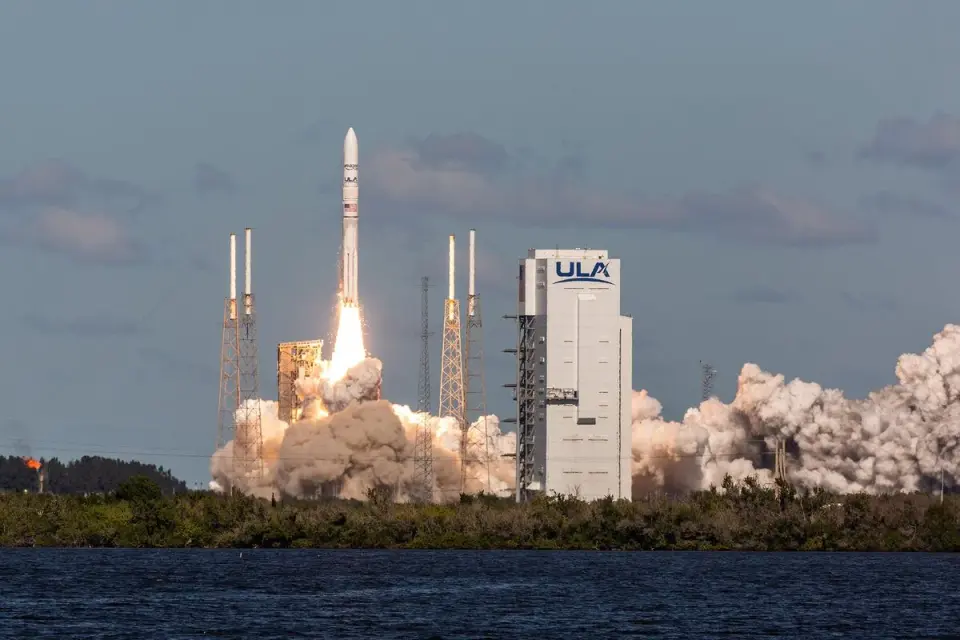
United Launch Alliance’s Vulcan rocket suffered its first total mission failure since 2006, destroying 40 Amazon Leo satellites during a launch from Cape Canaveral on November 15. The anomaly occurred approximately 10 minutes into the flight, preventing the payload from reaching orbit. This incident marks a significant setback for ULA, which had recently resumed flights after a nine-month grounding due to solid rocket booster issues. While the hardware loss is financially minor for Amazon, the failure threatens the company’s ability to deploy its 3,232-satellite constellation by the July 30, 2029 deadline. The event highlights growing market share shifts toward SpaceX and raises concerns about backup launch options, as Blue Origin’s New Glenn remains grounded.
Key points
- The Vulcan Centaur rocket failed about 10 minutes after liftoff on November 15, 2026, resulting in the loss of 40 Amazon Leo satellites.
- This is the first total mission failure for United Launch Alliance since its founding in 2006, following a nine-month grounding due to solid rocket booster nozzle problems.
- Amazon had purchased 38 Vulcan launches, with the rocket designated as the primary workhorse for deploying over 1,500 first-generation satellites.
- Amazon must deploy all 3,232 first-generation satellites by July 30, 2029, to maintain spectrum priority; delays could impact this timeline.
- Backup options are limited: Blue Origin’s New Glenn is grounded since a May explosion, and the next available launch is an Ariane 6 mission targeted for November 23.
- The cause of the failure remains unconfirmed, with preliminary reports suggesting issues during the Centaur upper stage burn or a longer-than-planned first stage burn.
Background
This incident follows a nine-month grounding of the Vulcan rocket imposed by the U.S. Space Force after solid rocket booster nozzle failures. ULA had recently resumed flights to validate corrective measures before national security missions could resume. The failure occurs amid a broader trend of increasing demand for launch services and market share shifts toward SpaceX, which has faced fewer recent setbacks. Amazon had previously missed a July 30 target for having half its constellation in service but was allowed to continue deploying by the FCC.
How outlets are covering it
Bloomberg emphasizes the competitive impact on ULA, noting that the failure exacerbates its loss of market share to SpaceX and threatens its plans to accelerate launches. Yahoo Finance focuses on the schedule risk for Amazon, highlighting that while the hardware loss is small relative to Amazon’s market cap, the delay in deploying 3,232 satellites by 2029 is the larger concern. Both outlets agree that the cause is unconfirmed, but Yahoo Finance notes preliminary reports of issues with the Centaur upper stage or first stage burn duration. Bloomberg does not detail Amazon’s backup options, while Yahoo Finance stresses the thinness of alternatives, including the grounded New Glenn and reliance on SpaceX and Ariane 6.
Why it matters
The failure underscores the fragility of launch schedules in a competitive space industry and could accelerate Amazon’s reliance on SpaceX, its main competitor in satellite broadband. It also raises questions about ULA’s ability to meet national security launch demands, as the Space Force had paused Vulcan launches after a February booster issue. For investors, the incident highlights risks to Boeing and Lockheed Martin, which own ULA, and L3Harris, which supplies engines for the Centaur stage, though no cause has been attributed to any supplier. The broader impact may include delays in Amazon’s service rollout and increased scrutiny of launch reliability in the commercial space sector.
What to watch
ULA is investigating the cause of the failure, with no specific data or root cause identified as of November 16. Amazon’s next Leo launch is an Ariane 6 mission carrying 36 satellites, targeted for November 23 at the earliest. If ULA identifies a root cause and return-to-flight date before Amazon’s next earnings report, the setback may remain contained. However, delays could make the July 30, 2029, deployment deadline a central issue for Amazon’s satellite network. The Space Force may also reassess national security launches on Vulcan, depending on the investigation’s findings.
- SpaceX Rival's Rocket Failure Destroys 40 Amazon Satellites Bloomberg
- Rocket from Boeing-Lockheed firm fails mid-flight, destroys payload of Amazon satellites Reuters
- Vulcan Rocket Mishap Hurts Amazon’s Satellite Aspirations Barron's
- Amazon loses 40 Leo satellites as Boeing-Lockheed rocket fails DW.com
- Amazon Just Lost 40 Leo Satellites. The Bigger Problem Is the Rocket It Booked 38 Launches On Yahoo Finance
Want the full story? Read the original reporting
Read on Bloomberg