Tag

United Launch Alliance

All articles tagged with #united launch alliance

Amazon Leo recovers with 36-satellite launch as rivals face delays
technology2 days ago

Amazon Leo recovers with 36-satellite launch as rivals face delays

Amazon successfully launched 36 satellites for its Leo broadband network on an Ariane 6 rocket, marking a recovery after recent setbacks. The launch brings the total orbital fleet to 432 satellites. Amazon is accelerating its reliance on SpaceX Falcon 9 rockets after United Launch Alliance and Blue Origin suffered major failures, while European officials debate increasing Ariane 6 production to meet commercial demand.
Ariane 6 Launches Amazon Satellites as ULA Vulcan Remains Grounded
space4 days ago

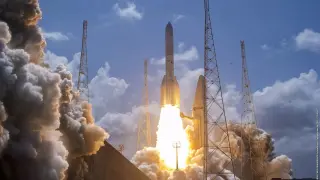
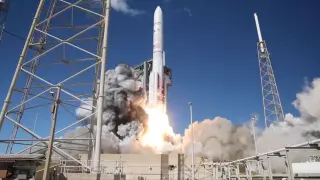
Ariane 6 Launches Amazon Satellites as ULA Vulcan Remains Grounded

Amazon is launching 36 internet satellites via Ariane 6 on Nov. 23, its first deployment since a Vulcan Centaur failure on Nov. 15 destroyed 40 spacecraft. ULA attributes the failure to inadequate fuel supply to Blue Origin engines, grounding the rocket indefinitely. This setback intensifies concerns for the U.S. Space Force, which faces a launch capacity bottleneck as SpaceX shifts focus to Starship.

ULA Blames Fuel Delivery, Not Engines, for Vulcan Centaur Failure
space8 days ago

ULA Blames Fuel Delivery, Not Engines, for Vulcan Centaur Failure

United Launch Alliance (ULA) has identified inadequate fuel supply to the first-stage engines as the preliminary cause of its Vulcan Centaur rocket failure on November 15, 2026. The malfunction resulted in the loss of 40 Amazon Leo internet satellites. ULA stated that the issue stemmed from the vehicle's fuel delivery system rather than the performance of the BE-4 engines manufactured by Blue Origin. This finding exonerates the engines, which are also critical to Blue Origin’s New Glenn rocket. The incident marks ULA’s first total mission failure since 2006 and follows a nine-month grounding due to solid rocket booster issues. The Federal Aviation Administration is overseeing the ongoing investigation.

Vulcan failure grounds US launch capacity, but preliminary data points away from Blue Origin engines
space-and-technology10 days ago

Vulcan failure grounds US launch capacity, but preliminary data points away from Blue Origin engines

United Launch Alliance confirmed that its Vulcan Centaur rocket failed during a return-to-flight launch on November 15, 2026, destroying 40 Amazon Leo satellites. While telemetry was lost at 10 minutes, ULA stated the anomaly began just after liftoff due to low booster performance. Preliminary data suggests the issue may stem from propellant feed systems rather than the BE-4 engines themselves, potentially sparing Blue Origin’s New Glenn program from further delays.

ULA Vulcan failure delays Amazon Leo, complicating Delta's in-flight Wi-Fi strategy
technology-and-aviation10 days ago

ULA Vulcan failure delays Amazon Leo, complicating Delta's in-flight Wi-Fi strategy

A United Launch Alliance Vulcan rocket suffered its first total mission failure in 20 years on November 15, destroying 40 Amazon Leo satellites. This setback indefinitely grounds the rocket and delays Amazon's broadband network expansion, which Delta Air Lines has selected as its future in-flight Wi-Fi provider. While competitors like United Airlines are already deploying Starlink, Delta's reliance on Amazon Leo now faces significant uncertainty due to launch delays and technical issues with the BE-4 engines.

SpaceX catches Starship upper stage for first time, but booster lost in Gulf
technology11 days ago

SpaceX catches Starship upper stage for first time, but booster lost in Gulf

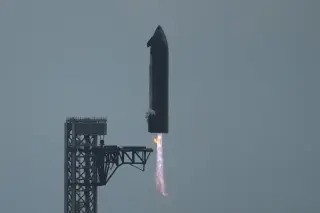
SpaceX achieved a historic milestone on November 14, 2026, by successfully catching its Starship upper stage from orbit using the Mechazilla tower at Starbase, Texas. The 15th test flight deployed 26 Starlink V3 satellites and completed 14 orbits before landing. However, the Super Heavy booster failed to land due to a fuel issue and exploded in the Gulf of Mexico. This success contrasts with a same-week failure by competitor United Launch Alliance, which lost its Vulcan rocket and 40 Amazon satellites.

ULA Vulcan failure destroys 40 Amazon satellites, exposing launch schedule risks
technology11 days ago

ULA Vulcan failure destroys 40 Amazon satellites, exposing launch schedule risks

United Launch Alliance’s Vulcan rocket suffered its first total mission failure since 2006, destroying 40 Amazon Leo satellites during a launch from Cape Canaveral on November 15. The anomaly occurred approximately 10 minutes into the flight, preventing the payload from reaching orbit. This incident marks a significant setback for ULA, which had recently resumed flights after a nine-month grounding due to solid rocket booster issues. While the hardware loss is financially minor for Amazon, the failure threatens the company’s ability to deploy its 3,232-satellite constellation by the July 30, 2029 deadline. The event highlights growing market share shifts toward SpaceX and raises concerns about backup launch options, as Blue Origin’s New Glenn remains grounded.

ULA Vulcan suffers first total mission failure, grounding Amazon’s Starlink rival
technology11 days ago

ULA Vulcan suffers first total mission failure, grounding Amazon’s Starlink rival

United Launch Alliance’s Vulcan rocket failed during its return-to-flight mission on November 15, losing 40 Amazon Leo satellites. This marks the first total mission failure for ULA since 2006, grounding the rocket indefinitely and delaying Amazon’s broadband network expansion. The incident threatens to increase US military reliance on SpaceX and may impact NASA’s Artemis program if the failure is linked to Blue Origin’s BE-4 engines.

ULA Vulcan Centaur suffers first mission failure, losing 40 Amazon Leo satellites
space12 days ago

ULA Vulcan Centaur suffers first mission failure, losing 40 Amazon Leo satellites

United Launch Alliance’s Vulcan Centaur rocket experienced its first mission failure in 20 years, destroying 40 Amazon Leo satellites during a launch from Cape Canaveral on November 15, 2026. The anomaly occurred 10 minutes into the flight, preventing the payload from reaching orbit. This incident marks the first total mission loss for ULA since its founding and follows a nine-month grounding of the Vulcan due to solid rocket booster nozzle issues. Amazon expressed confidence in ULA’s ability to resolve the issue, while ULA pledged transparency as it investigates the cause.

space-and-technology12 days ago

ULA Vulcan Centaur fails to orbit Amazon Leo satellites in first total mission loss

United Launch Alliance’s Vulcan Centaur rocket suffered its first total mission failure on November 15, 2026, losing 40 Amazon Leo satellites during a launch from Cape Canaveral. The anomaly occurred 10 minutes into the flight, marking the first outright failure for ULA since its founding in 2006. The incident follows a nine-month grounding of the Vulcan due to solid rocket booster nozzle issues and precedes a broader investigation into the cause, which remains unconfirmed.

Vulcan Centaur clears final hurdle for Amazon Leo launch after two scrubs
space12 days ago

Vulcan Centaur clears final hurdle for Amazon Leo launch after two scrubs

United Launch Alliance successfully resumed its Vulcan Centaur rocket’s countdown on November 15 after resolving a communication glitch that caused the second consecutive launch delay. The mission, designated Amazon Leo LV-01, deploys 40 broadband satellites to low Earth orbit from Cape Canaveral. This launch marks the rocket’s return to flight after a nine-month grounding imposed by the U.S. Space Force following solid rocket booster nozzle failures. The vehicle utilizes a redesigned nozzle and a new launch platform dedicated to Amazon missions, aiming to validate corrective measures before national security missions resume.

ULA Vulcan Centaur returns to flight after two scrubs, targeting Nov. 15 launch for Amazon Leo satellites
space13 days ago

ULA Vulcan Centaur returns to flight after two scrubs, targeting Nov. 15 launch for Amazon Leo satellites

United Launch Alliance has rescheduled the return-to-flight of its Vulcan Centaur rocket to Sunday, Nov. 15, after two consecutive scrub attempts. The mission, designated Amazon Leo LV-01, will deploy 40 broadband satellites to low Earth orbit from Cape Canaveral. This launch marks the rocket's first flight in nine months, following a grounding imposed by the U.S. Space Force after solid rocket booster nozzle failures on previous missions. ULA states the rocket and payloads remain healthy, utilizing a redesigned nozzle and a new launch platform dedicated to Amazon missions.

space13 days ago

ULA reschedules Vulcan return-to-flight to Sunday after second scrub

United Launch Alliance (ULA) has rescheduled the launch of its Vulcan Centaur rocket to Sunday, Nov. 15, after two consecutive scrub attempts. The mission, designated Amazon Leo LV-01, aims to deploy 40 broadband satellites to low Earth orbit. This launch marks the rocket's return to flight after a nine-month grounding imposed by the U.S. Space Force following solid rocket booster nozzle failures. ULA confirms the rocket and payloads remain healthy, utilizing a redesigned nozzle and a new launch platform dedicated to Amazon missions.

ULA schedules Vulcan return to flight for November 13 with Amazon Leo mission
space29 days ago

ULA schedules Vulcan return to flight for November 13 with Amazon Leo mission

United Launch Alliance (ULA) plans to relaunch its Vulcan rocket on November 13, 2026, after a nine-month grounding caused by solid rocket booster nozzle failures. The return-to-flight mission, designated LV-01, will deploy 40 satellites for Amazon’s Leo broadband constellation from Cape Canaveral. This launch marks the first use of Vulcan’s full complement of six solid rocket boosters and an extended payload fairing. ULA states that engineers have implemented design and process improvements to mitigate the previous anomalies, though the root cause remains unpublicized. The U.S. Space Force will closely monitor the flight data before clearing the rocket for national security missions, which are currently delayed in favor of SpaceX launches.