
US Officials Dismiss Cyberattack Theory as AI-Driven Patching Strains Infrastructure
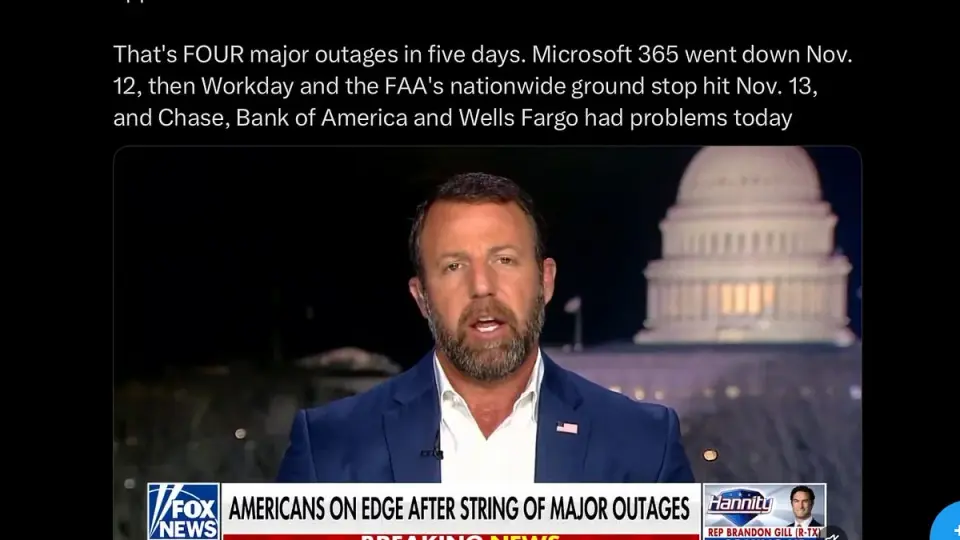
A series of major US service outages, including disruptions to Microsoft, JPMorgan Chase, and the National Security Agency, have sparked public panic. While critics and some officials link these failures to AI-driven vulnerabilities, the Trump administration insists the incidents are unrelated technical glitches, not coordinated attacks.
Key points
- Secretary of State Marco Rubio and Director of National Intelligence Jay Clayton stated there is 'zero evidence' the recent outages are linked to malicious actors or state-sponsored cyberattacks.
- Clayon attributed the disruptions to organizations patching and upgrading systems simultaneously, a process accelerated by AI tools that identify vulnerabilities at unprecedented speeds.
- The outages affected critical services including Microsoft Outlook, air traffic control, banking systems, and classified NSA communications, causing widespread public frustration and demands for transparency.
- Critics, including former officials and political figures, argue the administration is hiding information, while some experts suggest AI 'vibe coding' and unrestricted agents have created new security risks.
- President Trump dismissed the incidents as normal occurrences for large institutions, a stance that failed to calm public concern over the interconnected fragility of US infrastructure.
Background
Recent months have seen a surge in infrastructure strain, including a significant Microsoft outage in November 2026 and ongoing debates about the environmental and social costs of AI data centers in rural areas. These events highlight growing tensions between rapid technological expansion and system stability.
How outlets are covering it
The Trump administration, via Rubio and Clayton, firmly denies any malicious intent, attributing failures to routine maintenance and AI-accelerated patching. Conversely, critics like Gary Marcus and former officials such as Tricia McLaughlin argue that AI has introduced new vulnerabilities through 'vibe coding' and that the government is lacking transparency. While the administration views the outages as isolated technical errors, skeptics see them as symptoms of a broader, AI-driven systemic risk.
Why it matters
The reliability of critical US infrastructure, from banking to national security, is increasingly tied to AI-driven maintenance cycles. If these outages are indeed caused by the pace of AI-assisted patching rather than attacks, it signals a new era of vulnerability where the speed of security updates may outpace the stability of the systems they protect, potentially leading to more frequent disruptions in the future.
What to watch
The administration is expected to continue patching systems while maintaining its stance that no coordinated attack occurred. Public pressure for transparency may force further explanations from the White House, while ongoing debates about AI safety and infrastructure resilience will likely intensify as more vulnerabilities are identified and patched.
- Wake up! America’s infrastructure is melting. And AI appears to be partly responsible. Marcus on AI | Substack
- Rubio Says Rush to Secure Systems May Be Causing Failures The New York Times
- No evidence of cyberattack behind wave of tech outages, Rubio says CBS News
- Rubio says there’s ‘zero’ information that US outages are linked or caused by a malign actor AP News
- National intelligence director says no signs of cyberattack amid tech outage concerns ABC News - Breaking News, Latest News and Videos
Want the full story? Read the original reporting
Read on Marcus on AI | Substack