
Waymo and Toyota Launch First Joint Robotaxi in Japan for 2027
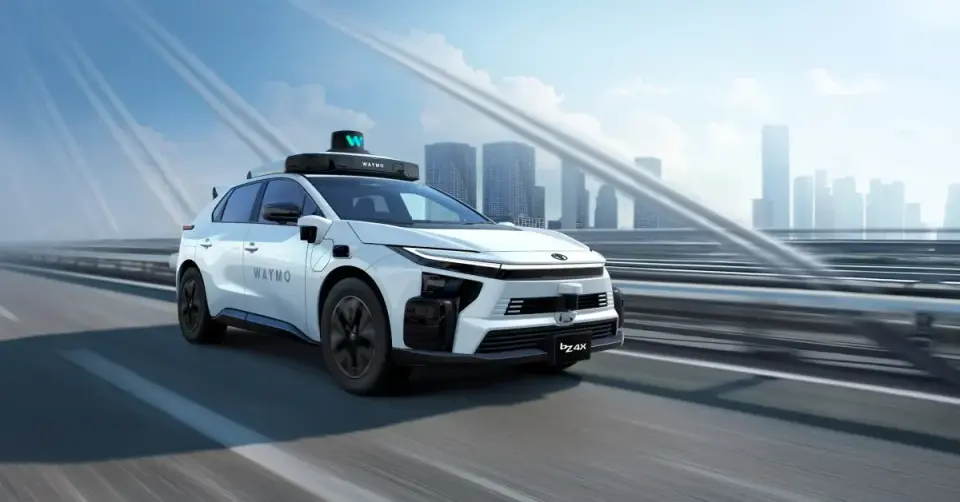
Waymo and Toyota have moved from preliminary talks to a concrete product, announcing that the Toyota bZ4X will become Waymo’s fourth robotaxi platform. Toyota will manufacture the vehicles at its Takaoka plant in Japan, integrating Waymo’s autonomous hardware directly on the assembly line rather than retrofitting them later. A test fleet is scheduled to begin operations in Japan in 2027, with plans to expand to the UK and other markets in subsequent years. This partnership provides Waymo with a high-volume, Japanese-built vehicle for its Tokyo launch, while Toyota gains access to Waymo’s Level 4 autonomous technology for its global fleet and potentially for personal consumer vehicles in the future.
Key points
- Toyota will build custom bZ4X robotaxis at its Takaoka plant in Aichi Prefecture, Japan, integrating Waymo’s self-driving hardware on the assembly line.
- Initial testing and validation of the autonomous fleet in Japan are scheduled to begin in 2027, with expansion to the UK and other Waymo markets planned for later years.
- The bZ4X robotaxi includes rider-focused modifications such as extra rear legroom, automatic doors, a power liftgate, and ambient lighting.
- This is the first tangible product from the April 2025 partnership, which initially focused on exploring autonomous driving in personally owned vehicles.
- Waymo now has four vehicle platforms: the Jaguar I-Pace, Zeekr Ojai van, Hyundai Ioniq 5, and the new Toyota bZ4X.
- Toyota and Waymo will continue to explore integrating autonomous technology into personally owned Toyota vehicles and collaborate with Woven by Toyota on safety initiatives.
Background
This announcement follows Waymo’s rapid expansion in the US, where it currently operates over 500,000 paid rides weekly across 15 metros. Recent developments include the addition of the Zeekr Ojai van and Hyundai Ioniq 5 to its fleet, as well as a planned entry into Toronto in 2028. The partnership also comes amid regulatory scrutiny of Waymo’s use of Chinese-made Zeekr vehicles, which has sparked national security debates and potential legislation to ban such imports by 2030. Additionally, Waymo has faced local regulatory challenges, such as in San Diego, where city councils have demanded more control over robotaxi operations.
How outlets are covering it
Electrek emphasizes the strategic importance of Toyota as a manufacturing partner, noting that Toyota’s status as the world’s best-selling automaker provides Waymo with the industrial capacity it lacks. Electrek also highlights the contrast with Tesla’s in-house Cybercab approach, suggesting that Waymo’s strategy of integrating its software into existing EVs is more scalable. The Verge focuses on the shift in Waymo’s vehicle acquisition model, moving from retrofitting finished cars to integrating autonomous hardware directly on the assembly line, which simplifies the process and ensures compatibility. Toyota’s official statement frames the collaboration as a joint effort to achieve 'zero traffic accidents' and provide 'freedom of movement for all,' emphasizing safety and accessibility. Toyota’s Hiroki Nakajima expresses gratitude for the partnership, while Waymo’s Dmitri Dolgov highlights the safety record of Waymo’s technology, claiming it is up to 20 times safer than human drivers in serious crash injuries.
Why it matters
This partnership marks a significant step in the global expansion of autonomous ride-hailing services, particularly in Japan, where it will be the first domestically manufactured fully autonomous service. It also demonstrates Waymo’s strategy of leveraging established automakers to scale its fleet, addressing its previous reliance on discontinued or limited-production vehicles. The collaboration could influence the future of personal vehicle autonomy, as Toyota and Waymo continue to explore integrating Waymo’s technology into consumer cars, potentially challenging Tesla’s FSD Supervised offering. Additionally, the partnership may help Waymo navigate regulatory challenges in the US by diversifying its vehicle supply chain away from Chinese-made components.
What to watch
The next major milestone is the launch of the autonomous bZ4X test fleet in Japan in 2027, pending regulatory approval. Following this, Waymo and Toyota plan to expand the service to the UK and other markets in subsequent years. The companies will also continue to develop and test autonomous technology for personally owned Toyota vehicles, with the goal of bringing Level 4 autonomy to consumer cars in the future. Additionally, Waymo is expected to continue expanding its US fleet, with Hyundai potentially supplying up to 50,000 Ioniq 5 robotaxis by 2028.
- Waymo picks Toyota bZ4X as its next robotaxi, starting in Japan in 2027 Electrek
- Toyota and Waymo Advance Autonomous Driving Collaboration for Safer Streets and Freedom of Movement for All トヨタ自動車株式会社 公式企業サイト
- Waymo Partners With Toyota For New Robotaxi. It Could Have Been Tesla Forbes
- Waymo’s next robotaxi is a purpose-built Toyota bZ4X The Verge
- Waymo taps Toyota to supply robotaxis for Japan and the UK TechCrunch
Want the full story? Read the original reporting
Read on Electrek