
Zuckerberg’s AI manifesto and new open model clash with public backlash
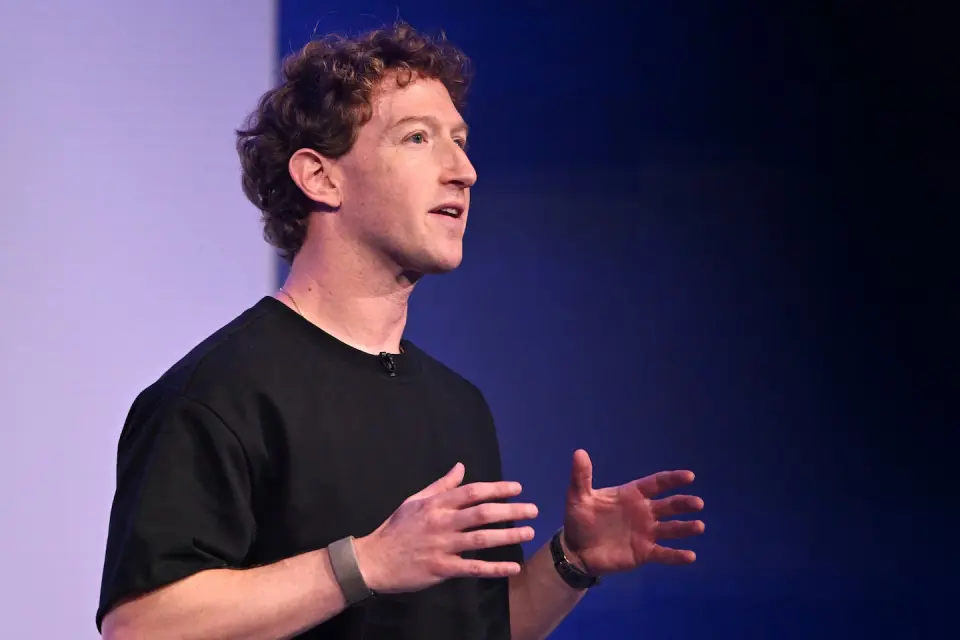
Mark Zuckerberg released a 6,500-word manifesto advocating for unrestricted, open AI to benefit all individuals, coinciding with the launch of Meta’s new 'Glimmer' model. While he promises a future of 'personal superintelligence' and pledges $1 billion to support local communities, critics and other tech leaders argue that open models lag in performance and that the industry needs more regulation.
Key points
- Zuckerberg argues that AI should be distributed widely rather than centralized, claiming it will provide every person with a custom assistant and tools for business creation.
- Meta launched 'Glimmer,' a new open-weight AI model designed to run on personal computers, signaling a shift back to open-source strategies after previously focusing on closed models.
- The manifesto coincides with a $1 billion fund for communities hosting Meta data centers, aimed at mitigating local opposition to infrastructure expansion.
- Critics note that open-weight models often lag behind closed competitors in performance, while public sentiment remains hostile due to concerns over job displacement and privacy.
Background
This development follows a series of earlier reports in August 2026 where Zuckerberg outlined a vision for universal AI access, including personalized tutors and new career roles like 'world builders.' Previous coverage highlighted his optimism regarding job creation and the potential for AI to enhance daily life, contrasting with concerns about misuse and the displacement of traditional employment.
How outlets are covering it
The Washington Post frames the manifesto as an attempt to counter growing public hostility and political calls for regulation, emphasizing Zuckerberg’s optimism against a backdrop of industry-wide caution. CNN highlights the strategic pivot to open-weight models, noting that while this approach aims to democratize access, it risks ceding ground to Chinese competitors and may not match the performance of closed models. Business Insider critiques the feasibility of the 'AI-for-all' pitch, suggesting that Meta’s reliance on advertising revenue makes a transition to AI automation difficult, and questions whether the $1 billion community fund is sufficient to address local opposition to data centers. All three outlets agree that the manifesto is a significant PR effort to reshape public perception, but they differ on whether the technical and social promises are realistic.
Why it matters
Zuckerberg’s stance sets the stage for a major debate in AI governance, pitting open innovation against regulatory caution. The launch of Glimmer and the community fund could influence how other tech giants approach AI development and infrastructure, potentially shaping the balance between rapid innovation and public trust in the coming years.
What to watch
Watch for the performance benchmarks of the Glimmer model compared to closed competitors, as well as the political reaction to Meta’s $1 billion community fund. The success of these initiatives will determine whether the open-weight strategy gains traction or if regulatory pressure forces a shift toward more controlled AI development.
- Mark Zuckerberg’s latest manifesto promises to save America with AI The Washington Post
- Five Takeaways From Zuckerberg’s 6,500-Word Manifesto on AI Bloomberg.com
- Meta just picked a side in a big debate over the future of AI CNN
- Zuckerberg's AI-for-All Pitch Faces a Big Problem Business Insider
- Forbes Daily: Mark Zuckerberg Outlines His AI Manifesto Forbes
Want the full story? Read the original reporting
Read on The Washington Post