
Villa Vie Odyssey Stranded in Cambodia as Fuel Costs Collapse Residential Cruise Model
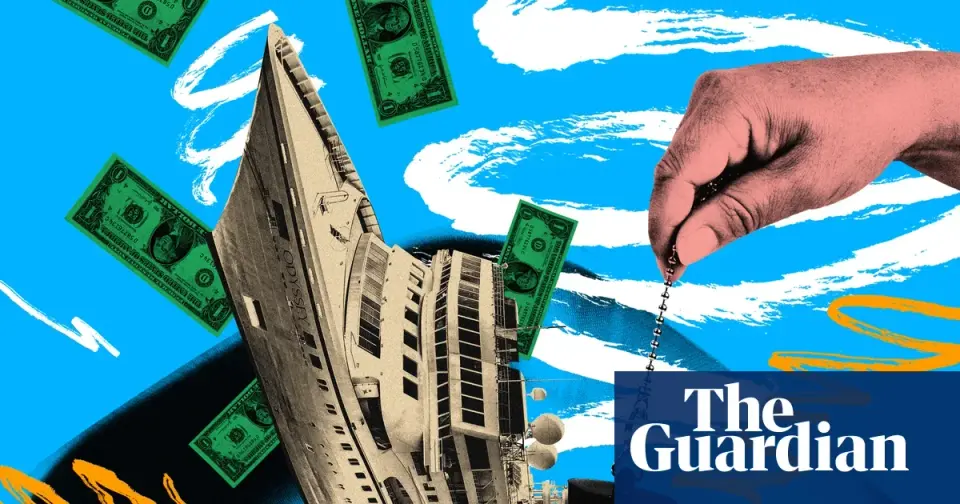
The Villa Vie Odyssey, a residential cruise ship promising a continuous global voyage, was forced to halt operations and disembark approximately 200 passengers in Sihanoukville, Cambodia, on October 27, 2026. The operator, Florida-based Villa Vie Residences, cited unsustainable fuel costs driven by the ongoing conflict with Iran as the primary cause. Monthly fuel expenses per cabin had surged to $8,000 from $1,800, rendering the business model unviable. Passengers, many of whom had invested hundreds of thousands of dollars for long-term residency, were left without financial aid or immediate housing solutions. The company is now seeking restructuring and recapitalization within 60 days, while residents face uncertain futures and potential financial losses.
Key points
- Villa Vie Residences announced the suspension of the Odyssey’s voyage on October 27, 2026, giving passengers seven hours to disembark in Sihanoukville, Cambodia.
- The company attributed the halt to a sharp rise in fuel costs, which increased from $1,800 to $8,000 per cabin monthly due to the Iran conflict, despite efforts to reduce consumption.
- The Odyssey, originally the MS Braemar, launched in October 2024 from Belfast, Northern Ireland, offering a 'skip forward' package for those opposed to the re-elected US president, with prices starting at $319,998 for a four-year term.
- Passengers reported deteriorating service quality, including reduced food and excursions, as early as August 2026, when the company requested a $1 million cash call to continue operations.
- Villa Vie Residences is pursuing restructuring and recapitalization over the next 60 days, but has not provided financial aid or hotel lists to stranded residents, though it later offered charter flight tickets to the US.
Background
The Odyssey was marketed as an affordable alternative to the MS The World, a luxury residential ship with apartments ranging from $2m to $15m. The Odyssey, a 642-foot vessel with 480 cabins, was reconfigured from a traditional cruise liner and had previously faced issues during the pandemic when it was turned away from Caribbean ports. The broader cruise industry has seen a boom since the pandemic, with global passengers reaching 37.2 million in 2025, but residential ships remain a niche and financially precarious segment. Earlier attempts, such as Miray Cruises, also failed due to financial mismanagement.
How outlets are covering it
The Guardian emphasized the emotional impact on passengers, describing the disembarkation as a 'nightmare' and highlighting the grief and anger of residents who had built homes on the ship. NBC News focused on the financial distress, noting that the company had been 85% sold and that executives declined to provide details on the number of passengers or specific disembarkation locations. The Sun Sentinel highlighted the personal stories of passengers like Jim and Chris Guld, who had invested $170,000 for a 15-year guarantee and now face potential bankruptcy, while also noting their positive experiences and lack of regret. All sources agree on the core facts of the halt and the role of fuel costs, but differ in emphasis: The Guardian on the human cost, NBC on the corporate opacity, and the Sun Sentinel on the consumer experience and financial risk.
Why it matters
The collapse of the Villa Vie Odyssey underscores the financial fragility of the residential cruise model, which relies on high upfront costs and long-term commitments. It highlights the vulnerability of such ventures to global economic shocks, particularly fuel price spikes. The incident also raises questions about consumer protection in niche travel services, as passengers face significant financial losses and limited recourse. The broader cruise industry, while booming, may face scrutiny over the sustainability of luxury and residential offerings, especially as fuel costs remain volatile due to geopolitical conflicts.
What to watch
Villa Vie Residences is expected to announce restructuring or recapitalization plans within 60 days, but the outcome is uncertain. Passengers are currently in temporary arrangements in Cambodia, with some planning to stay in Thailand. The company has not confirmed whether it will offer refunds or compensation, and many residents expect no return of their investments. The Odyssey may be sold or scrapped, and the incident could deter future investors in the residential cruise sector. Industry analysts suggest that the model requires high charges and luxury amenities to survive, but the Odyssey’s failure indicates that even these measures may not offset external shocks like fuel price spikes.
- The cursed cruise: how the dream of never-ending luxury at sea became a nightmare The Guardian
- An ‘Endless Cruise’ Goes Broke, Stranding Passengers The New York Times
- They bought cabins to live on a luxury cruise ship. High fuel costs got them kicked off in Cambodia. NBC News
- Cast out from their cruise-ship home, couple not ready to come back to South Florida Sun Sentinel
- US couple's retirement dream in ruins after residential cruise scrapped in Cambodia Reuters
Want the full story? Read the original reporting
Read on The Guardian