
U.S. Airport Satisfaction Hits Three-Year High as Capital Projects Pay Off
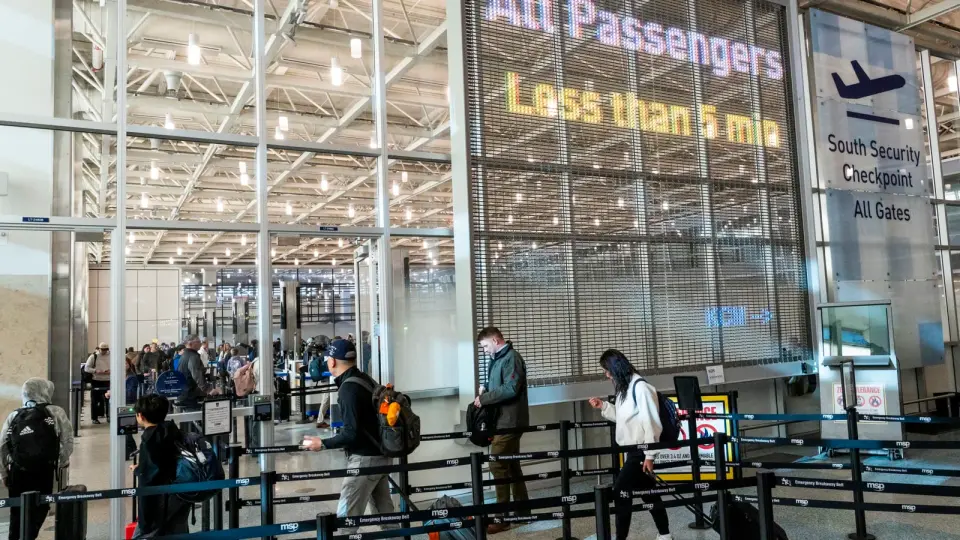
J.D. Power's 2026 North America Airport Satisfaction Study reports a significant rise in traveler satisfaction across U.S. and Canadian airports, marking the third consecutive year of improvement. The gains are attributed to the completion of major capital projects, including new terminals and gates, which have enhanced amenities and passenger flow. Minneapolis-Saint Paul International Airport topped the rankings for mega airports, while Tampa International and Charleston International led the large and medium categories, respectively. Phoenix Sky Harbor maintained its third-place ranking among mega airports, citing reliability and new nonstop routes, though it still lags in food and beverage options. The study, based on nearly 25,000 surveys, highlights that infrastructure investments are finally translating into better passenger experiences despite record passenger volumes.
Key points
- J.D. Power's 2026 study found overall airport satisfaction increased significantly, with mega airports rising 14 points, large airports 13 points, and medium airports 16 points on a 1,000-point scale.
- Minneapolis-Saint Paul International Airport ranked first among mega airports (33M+ passengers), followed by Detroit Metropolitan and Phoenix Sky Harbor.
- Tampa International Airport ranked first among large airports (10M-32.9M passengers), ahead of Portland International and Dallas Love Field.
- Charleston International Airport in South Carolina ranked first among medium airports (4.5M-9.9M passengers), followed by Ontario International and Indianapolis International.
- Phoenix Sky Harbor, ranked third among mega airports, is investing in new food and beverage concepts and infrastructure, including a new concourse in Terminal 3, funded by $18 million in federal grants.
- The study, based on 24,710 surveys from July 2025 to July 2026, evaluated seven categories including ease of travel, trust, terminal facilities, staff, departure, food/retail, and arrival experiences.
Background
This follows recent TSA initiatives to improve airport experiences, such as the expansion of the Gateside program, which allows trusted travelers to access secured areas without a ticket at 13 airports, including LAX and Dallas/Fort Worth. These measures aim to facilitate meet-ups and layovers, complementing the broader trend of infrastructure upgrades highlighted in the J.D. Power study.
How outlets are covering it
CNBC emphasizes the role of new gates and terminals in driving satisfaction, noting that airports have spent billions to upgrade facilities. USA Today provides detailed rankings across all airport sizes, highlighting the specific point increases for each category. The Arizona Republic focuses on Phoenix Sky Harbor's consistent ranking and its efforts to improve food and beverage options, while also noting new nonstop routes and community initiatives. All sources agree that capital improvements are key to the satisfaction gains, but they differ in emphasis: CNBC on the scale of investment, USA Today on the breadth of rankings, and The Arizona Republic on local airport-specific improvements.
Why it matters
The rising satisfaction scores indicate that significant capital investments in airport infrastructure are yielding tangible benefits for travelers, potentially influencing future travel choices and airport funding priorities. The improvements in passenger experience may also reduce congestion and stress, contributing to a more positive overall travel environment.
What to watch
Airports are expected to continue investing in infrastructure and amenities, with Phoenix Sky Harbor planning to complete a new taxiway and concourse in 2027. The TSA's Gateside program may expand further, and airports will likely focus on enhancing food and beverage options to address remaining satisfaction gaps.
- Flyers are happier with U.S. airports, despite near record travel levels, J.D. Power report shows cnbc.com
- Charleston’s airport named No.1 mid-sized airport in North America on its first try — Here’s why. Post and Courier
- This Midwest airport was named America's best, according to flyers USA Today
- These airports, including one on the East Coast, are tied for last place in latest JD Power ratings NJ.com
- Best US airports ranking is here. Where Phoenix Sky Harbor landed azcentral.com and The Arizona Republic
Want the full story? Read the original reporting
Read on cnbc.com