
Thanksgiving travel dips slightly as record fuel costs and airfare hikes pressure budgets
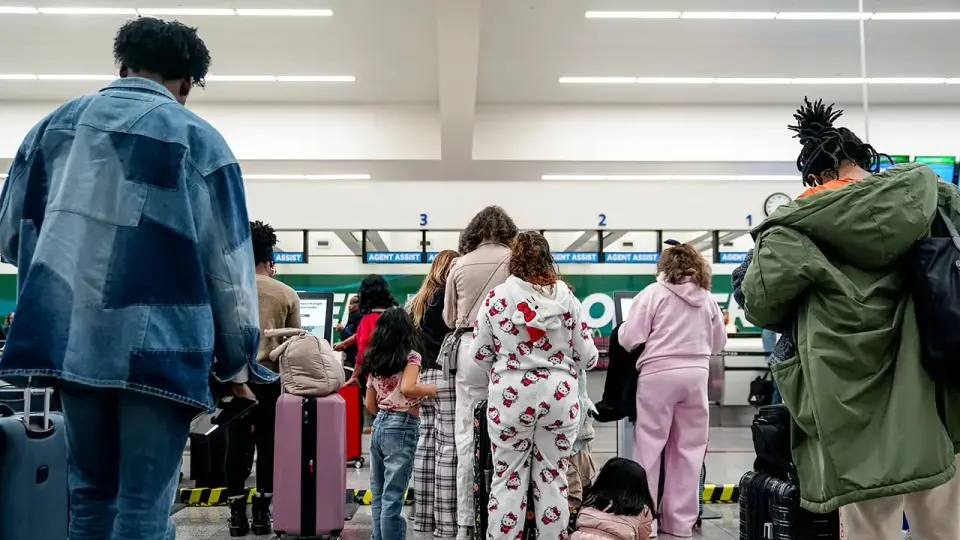
AAA projects 81.5 million Americans will travel for Thanksgiving, a marginal decline from last year’s record. Rising gas and airfare costs are the primary drivers, though traffic remains near historic highs. Florida leads domestic destinations, and most travelers will still drive despite the price surge.
Key points
- AAA forecasts 81.5 million travelers for the Nov. 24–30 period, down 121,000 from 2025, ending a three-year streak of record highs.
- Round-trip domestic airfare averages $800, up 17% from last year, while regular gas reached $3.82 per gallon, potentially setting a Thanksgiving Day record.
- Approximately 72.9 million people will drive, down 200,000 from last year, but major metro areas like New York and Los Angeles may see double normal congestion.
- Bus, train, and cruise travel is expected to rise 4.1% to 2.6 million passengers, while air travel dips 0.2% to 5.96 million.
- Florida cities, led by Orlando, Fort Lauderdale, and Miami, top the list of domestic destinations as warm weather remains a key draw.
Background
This slight decline follows a period of record-breaking travel post-pandemic. Earlier in 2026, holiday airfares hit decade highs due to elevated jet fuel costs linked to the U.S.-Israel conflict with Iran. A recent nationwide ground stop caused by FAA technical issues disrupted weekend flights, but officials expect normal operations by Thanksgiving.
How outlets are covering it
While AAA and AP News emphasize the slight national decline in travelers due to high costs, Axios notes that local hubs like Denver International Airport still expect a 1.3% increase in passengers. Airlines for America disputes the airfare narrative, claiming fares have risen more modestly than jet fuel prices. Click2Houston highlights that despite the national dip, Texas drivers face severe congestion, with some routes taking 62% longer than usual.
Why it matters
The marginal drop in travelers signals that high fuel and airfare costs are beginning to impact consumer behavior, though not enough to significantly reduce traffic. The data suggests that while some Americans are cutting back on travel, the majority remain resilient, leading to continued congestion and high costs for those who do travel.
What to watch
Travelers are advised to book early, use secondary airports, and travel midweek to avoid peak congestion. AAA recommends checking vehicle maintenance and using gas station loyalty programs to mitigate rising costs. Future travel trends may depend on whether fuel prices continue to rise or if inflation further impacts household budgets.
- Thanksgiving travel to dip for first time in years as higher costs weigh on Americans Fox Business
- Thanksgiving travel slows nationally, but not at Denver's airport Axios
- AAA forecasts another busy — but not quite as busy — Thanksgiving travel week AP News
- Leaving Houston for Thanksgiving? Here are the worst times to hit the road Click2Houston
- Thanksgiving travel to hit ‘near record levels.’ Best, worst times to drive in CA Sacramento Bee
Want the full story? Read the original reporting
Read on Fox Business