
TSA’s new 3D scanners create a physical bottleneck for oversized carry-ons
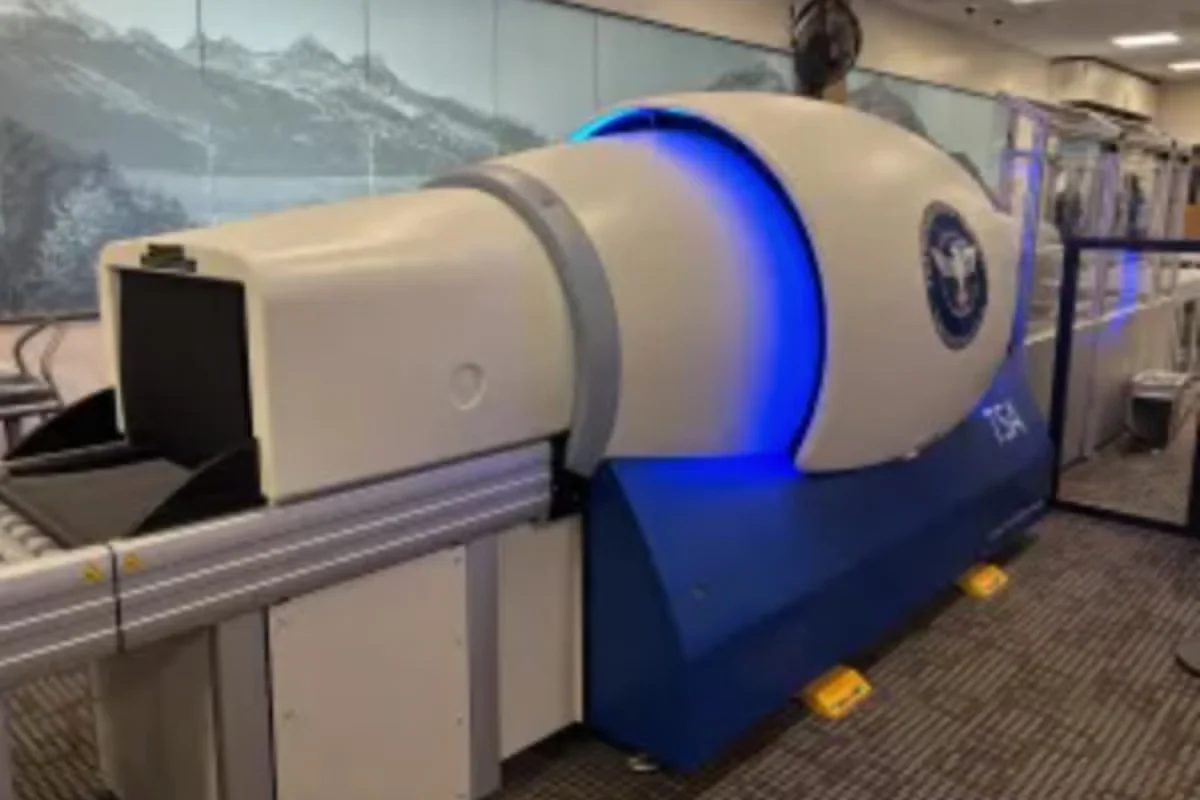
The Transportation Security Administration is deploying new 3D computerized tomography (CT) scanners that offer clearer imaging but feature narrower openings than previous models. While standard-sized carry-ons still fit, travelers with larger or expandable bags may be forced to check their luggage. The change aims to reduce manual inspections and eliminate the need to remove liquids, but requires passengers to use bins and verify bag dimensions.
Key points
- TSA is rolling out 3D CT scanners that provide agents with a three-dimensional view of bag contents.
- The new scanners have openings that are less than one inch smaller than the previous models.
- Standard airline carry-on dimensions (22 x 14 x 9 inches) still fit through the new machines.
- Larger or expandable bags may not fit, forcing some passengers to check their bags.
- Travelers are advised to use bins rather than placing bags directly on the belt.
- Laptops can now remain inside bags during screening.
Background
This development follows recent TSA initiatives to modernize security protocols, including the potential allowance of full water bottles for PreCheck travelers at 13 airports and expanded gate access for trusted travelers. Earlier in September, a traveler in Wisconsin was caught attempting to conceal a knife in a carry-on to avoid a baggage fee, highlighting the continued importance of thorough screening.
How outlets are covering it
The Independent frames the new scanners as a potential 'headache' for carry-on travelers, emphasizing the inconvenience of the narrower openings. The New York Post highlights the frustration of passengers who may be forced to check bags they previously carried on, while also noting the benefits of reduced manual inspections. Both sources agree that the technology is an improvement in security but acknowledge the physical constraints it imposes on luggage sizes.
Why it matters
The rollout of these scanners directly impacts the travel experience for millions of passengers. The narrower openings may lead to increased wait times and the need to check bags, potentially incurring additional fees. However, the technology promises faster screening and fewer manual inspections, which could improve overall efficiency at security checkpoints.
What to watch
The TSA is expected to evaluate the performance of the new scanners before expanding any exemptions, such as the allowance of full water bottles for PreCheck travelers. Travelers should monitor official TSA channels for updates on the 3-1-1 rule and other security protocols.
- TSA is rolling out a new scanner — and it could mean a headache for carry-on travelers independent.co.uk
- Major change to TSA protocol is forcing some frustrated passengers to check carry-on bags New York Post
- TSA alert: Your carry-on bag may need to be checked after all LiveNOW from FOX
- Which U.S. Airports Have CT Scanners? Why the 3.4 oz Liquid Rule Still Applies in 2026 Rus Tourism News
Want the full story? Read the original reporting
Read on independent.co.uk