
United Passengers Clash Over Free Economy Seat Movement
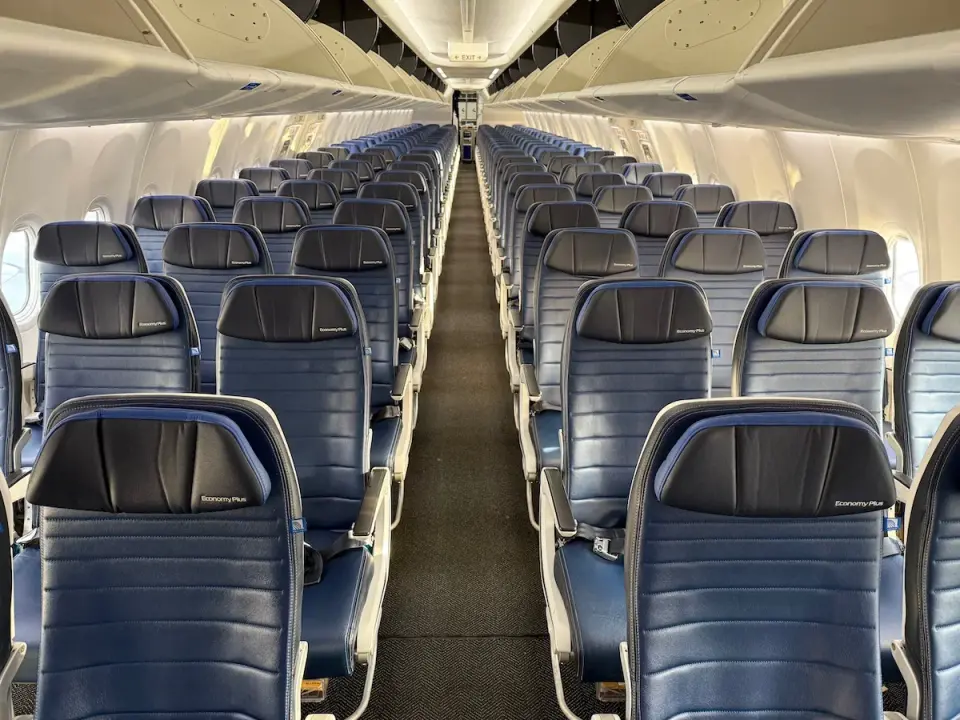
Two opposing complaints surfaced on social media regarding United Airlines' policies on moving to empty economy seats. One passenger criticized the airline for blocking access to vacant rows, while another complained that crew allowed others to move into premium seats she had paid for. Analysts note that while weight and balance rules exist, the primary driver is revenue protection for paid upgrades, though enforcement remains inconsistent.
Key points
- A passenger posted on Threads claiming United refused to let her move to empty rows, despite approximately 10 rows appearing vacant, arguing that cramping passengers in the back is unfair.
- Simultaneously, another user on X complained that she paid for extra legroom but saw others move into empty seats without paying, alleging the crew ignored the violation.
- The second passenger escalated the issue by filing an FAA Safety Hotline complaint, citing 14 CFR § 121.665 regarding weight and balance, and preparing DOT filings under 14 CFR Part 260 and 49 U.S.C. § 41712.
- Ben Schlappig of One Mile at a Time argues that the first passenger misunderstands the business model, as airlines monetize premium seats, while the second passenger’s safety claims are likely exaggerated and not grounded in actual regulatory enforcement.
- Commenters on the source site debate the fairness of the policy, with some noting that Southwest Airlines operated without seat assignments for years, suggesting current restrictions are driven by greed rather than safety.
Background
This incident follows recent developments in United's fleet strategy, including the introduction of the A321XLR with a premium-heavy layout featuring fixed middle seats to mimic added space. It also comes after a separate incident in September where a passenger alleged crew forced her to sit next to a man during a flight due to lack of available seats, highlighting ongoing tensions regarding seat allocation and passenger comfort.
Why it matters
The dispute highlights the tension between airline revenue strategies and passenger expectations regarding comfort and fairness. While airlines justify restricting movement to protect sales of premium seats, inconsistent enforcement and the escalation of minor service issues into regulatory complaints create friction. This reflects broader industry shifts toward monetizing every aspect of the travel experience, potentially alienating customers who view empty seats as a basic right rather than a premium product.
What to watch
Airlines may continue to enforce strict seat assignment policies to protect ancillary revenue, but public backlash could pressure carriers to reconsider enforcement consistency. Passengers are likely to continue using social media and regulatory channels to challenge perceived unfairness, potentially leading to increased scrutiny of how airlines manage cabin density and premium seat sales.
Want the full story? Read the original reporting
Read on One Mile at a Time